
By Kabuye Ronald
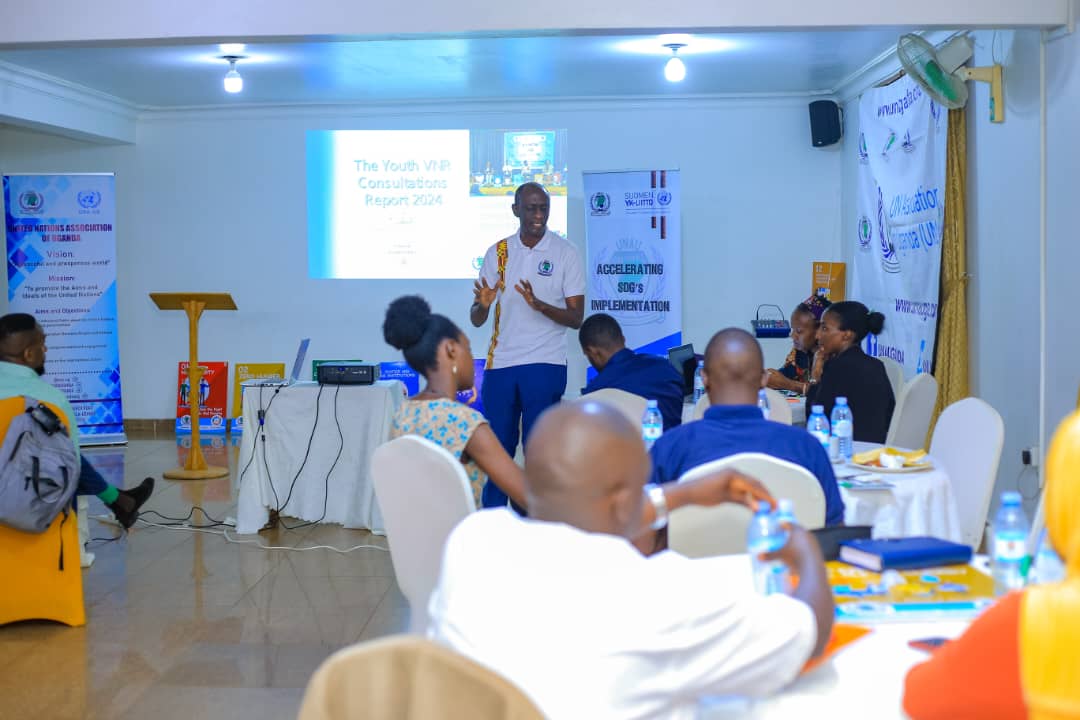
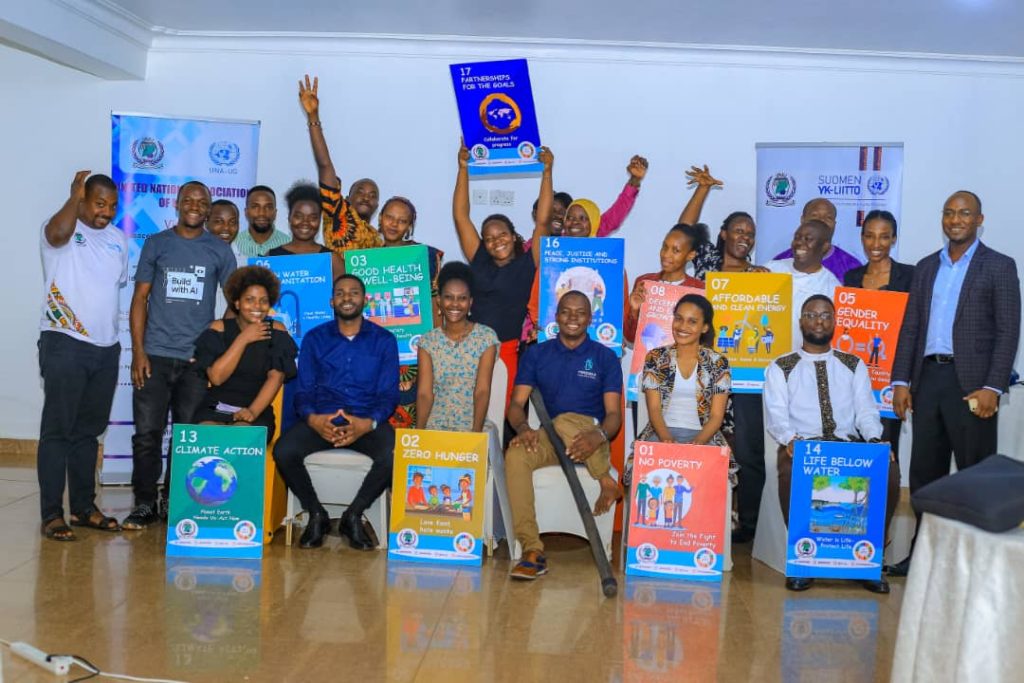
Youths have on Thursday convened at Nob hotel Ntinda, Kampala to validate their Voluntary National Review report after series of meetings and engagements with youth lead by United Nations Association Uganda UNAU.

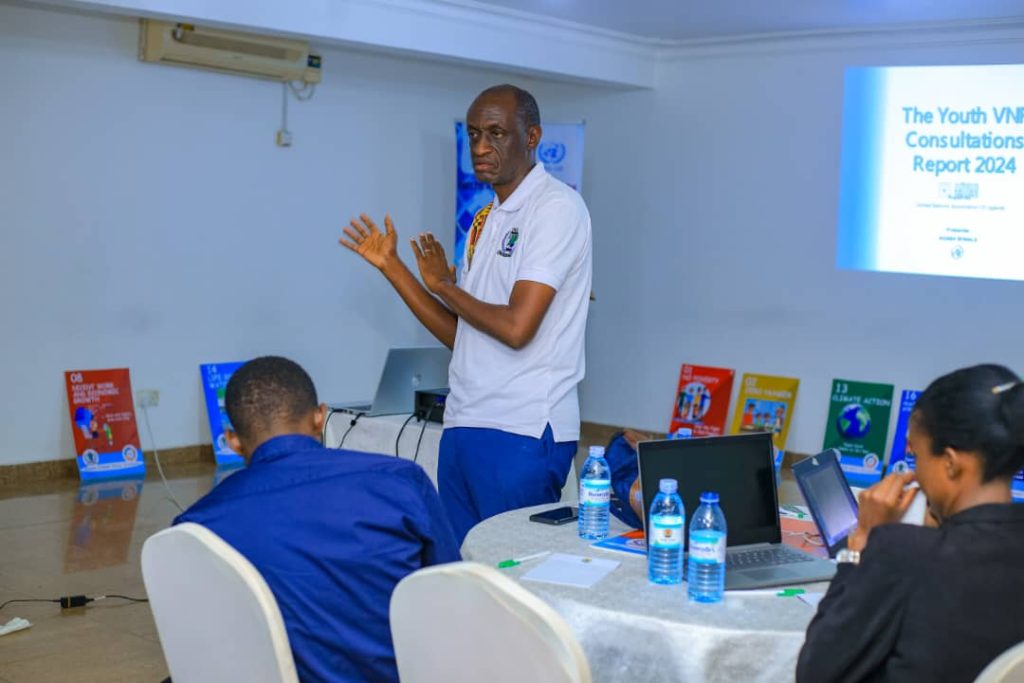
The report that was presented by Ronald Agaba, a consultant aims at examining Uganda’s youth bulge, potential and challenges
Some of the key challenges highlighted by the report include Limited Access to Quality Education: it states that Despite the progress (national literacy rates have climbed to 75% according to the World Bank, 2024), disparities persist, particularly in rural areas. A 2023 report by UNESCO found that only 52% of young people in rural Uganda complete secondary education, compared to 80% in urban areas.
High Youth Unemployment: The staggering youth unemployment rate remains a significant obstacle, hovering around 64% according to Labour Force Survey, 2023.
Lack of Access to Resources: Financial constraints limit the ability of young people to implement their ideas and participate in SDG-related initiatives.

Limited Participation in Decision-Making Processes: Inadequate representation in government bodies and a lack of platforms for young voices to be heard can hinder their ability to influence policy and decision-making related to the SDGs.
Gender Inequality: the report revealed that Young women and girls often face additional challenges related to access to education, economic opportunities, and participation in public life. A 2024 report by UN- Women, found that adolescent pregnancy rates remain high in Uganda, particularly in rural areas, disproportionately impacting young girls’ education and future opportunities.
Some of the actions suggested by the youth include Utilizing innovative teaching methods. They want Initiatives like the “Uganda e-Learning platform”, launched by the Ministry of Education in collaboration with private sector partners, provide access to online educational resources and digital learning tools, bridging the gap for students in remote areas.

Focus on skills development programs aligned with labor market demands, they want the government’s “Skilling Uganda Plus” program, launched in 2024, to build upon the existing Skilling Uganda initiative by partnering with private sector companies to offer targeted skills training programs aligned with their specific workforce needs.

Establishing youth development funds at national and local levels, they assert that The “Youth Livelihood Fund”, established by the Ministry of Gender, Labour and Social Development in 2024, allocates UGX 20 billion (approximately USD 5.4million) annually to support youth-led community development projects across Uganda.
They called for Localizing SDGs Information to ensure that all Ugandan youth, particularly those in rural areas, can actively participate in achieving the SDGs, there’s a critical need to localize SDGs information. This involves translating key SDG resources, educational materials, and communication campaigns into widely spoken Ugandan languages like Luganda, Acholi, Runyankore-Rukiga, and others.

They further called for Promotion of Youth Participation by creating platforms for meaningful youth engagement in decision- making processes at all levels, from local communities to national policy dialogues. This includes establishing youth councils, promoting youth-led advocacy initiatives, and ensuring youth perspectives are considered in government programs and policies.
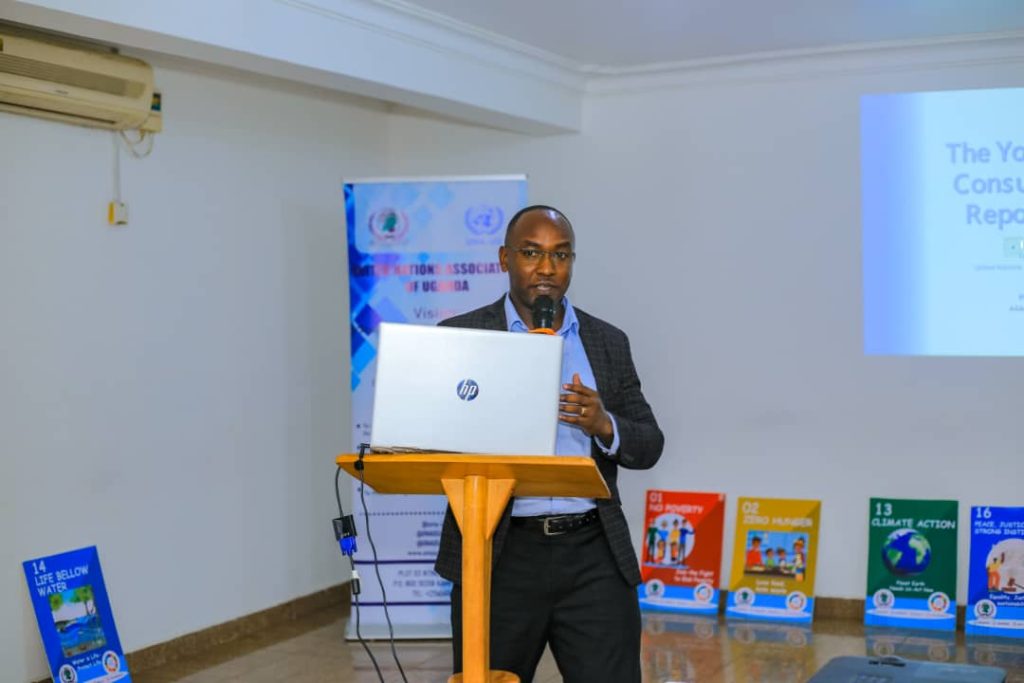
Richard Baguma Tinkasimire, the UNAU Secretary General also member of the Global Executive of the World Federation of the United Nations Associations said that since three quarters of Uganda’s population are young people they believe they are the very people who must be given priority since going forward they are the important citizens of the future.
“While we collect views about the Sustainable Development Goals and the things we are going to report to other countries in July this year at the UN meeting in New York through the VNR system we were privileged as UNAU to be allowed to lead the consultation of the youth in Uganda. We drafted the report after various engagements and today we are meeting with them to go through the content of the report to ensure that the recommendations and the issues in the report represents their views that they gave us.” Said Baguma
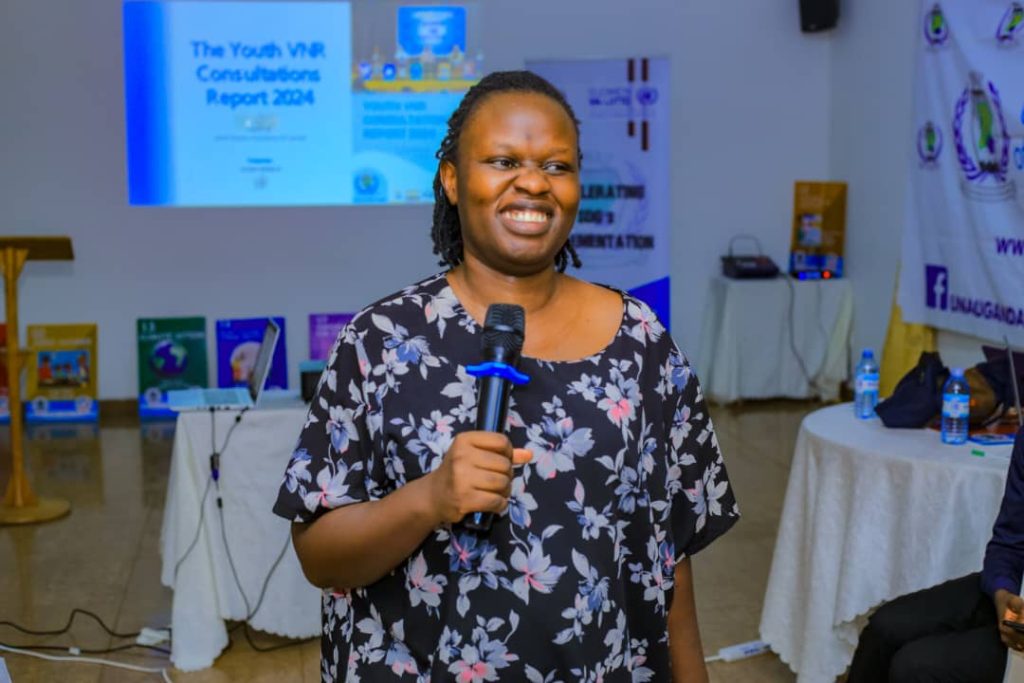
Baguma added that they are mobilizing the youths with the message that the mantra for the SDGs is leave no one behind and because they are a huge percentage of the population they want to move with them in every step.
Linda Asaba the Programs Manager at UNAU said that they agree with the youth that the youths must take leadership now and also take actions that will spur development at an individual and group level, in education institution and in the rural areas where they come from.
