
By Kabuye Ronald
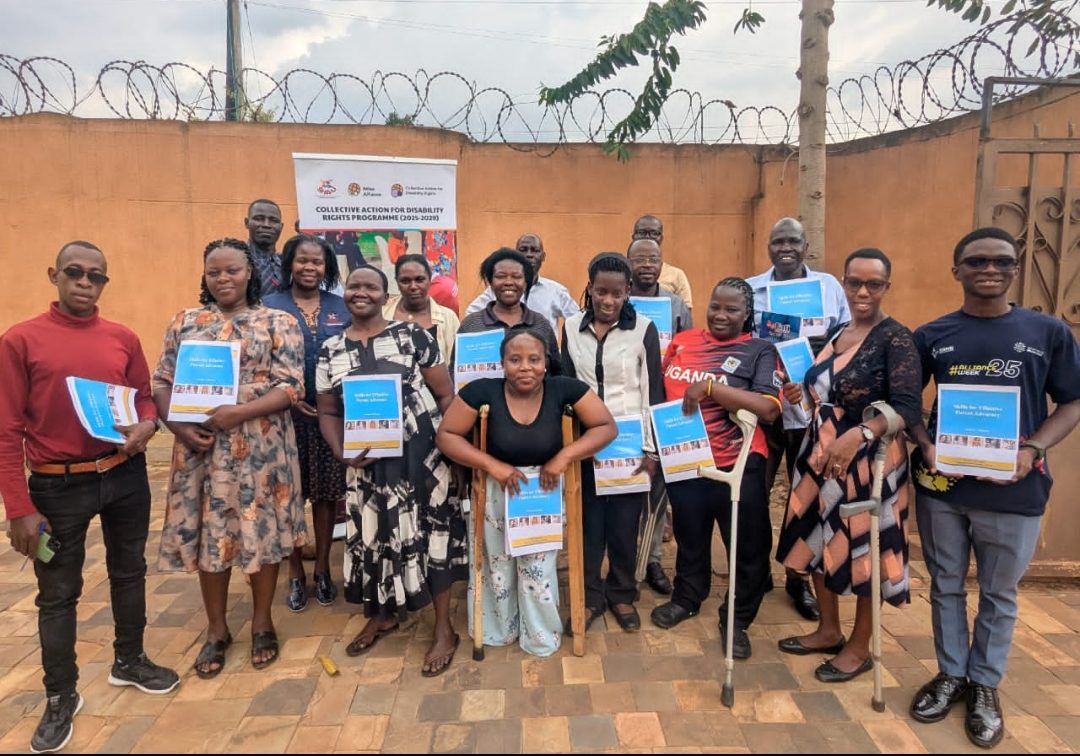
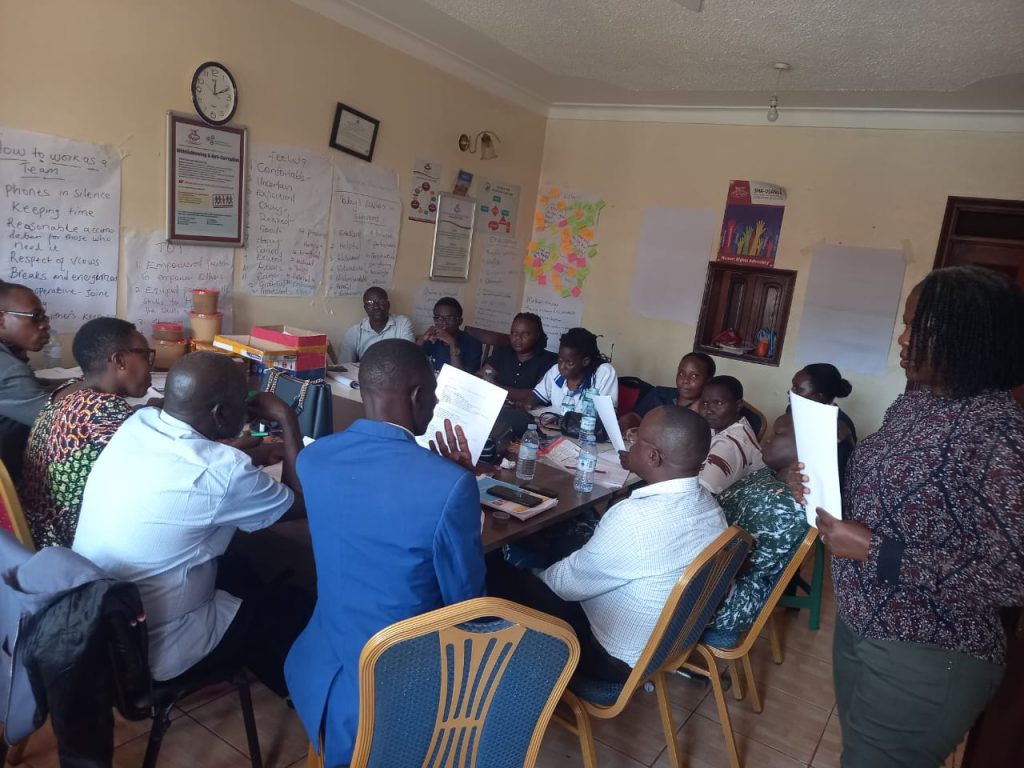
The Spina Bifida and Hydrocephalus Association of Uganda (SHAU) has equipped persons with disabilities and key stakeholders with vital skills in human rights–based advocacy, self-advocacy, and family support. The three-day Training of Trainers (ToT) workshop brought together participants from eight districts across Uganda’s Central, Northern, Eastern, and Western regions.

The training, held at SHAU headquarters in Kampala, targeted persons with disabilities, parents of children with disabilities, social workers, and special needs teachers. SHAU Executive Director Ruth Nalugya explained that the initiative forms part of a five-year program titled “Collective Action on Disability Rights,” aimed at empowering persons with disabilities to claim and defend their rights.
According to Nalugya, Uganda already has a strong and comprehensive legal framework supporting persons with disabilities, but poor implementation remains a major challenge. SHAU’s ToT approach seeks to close this gap by empowering community-level advocates to monitor implementation, report violations, and support families.
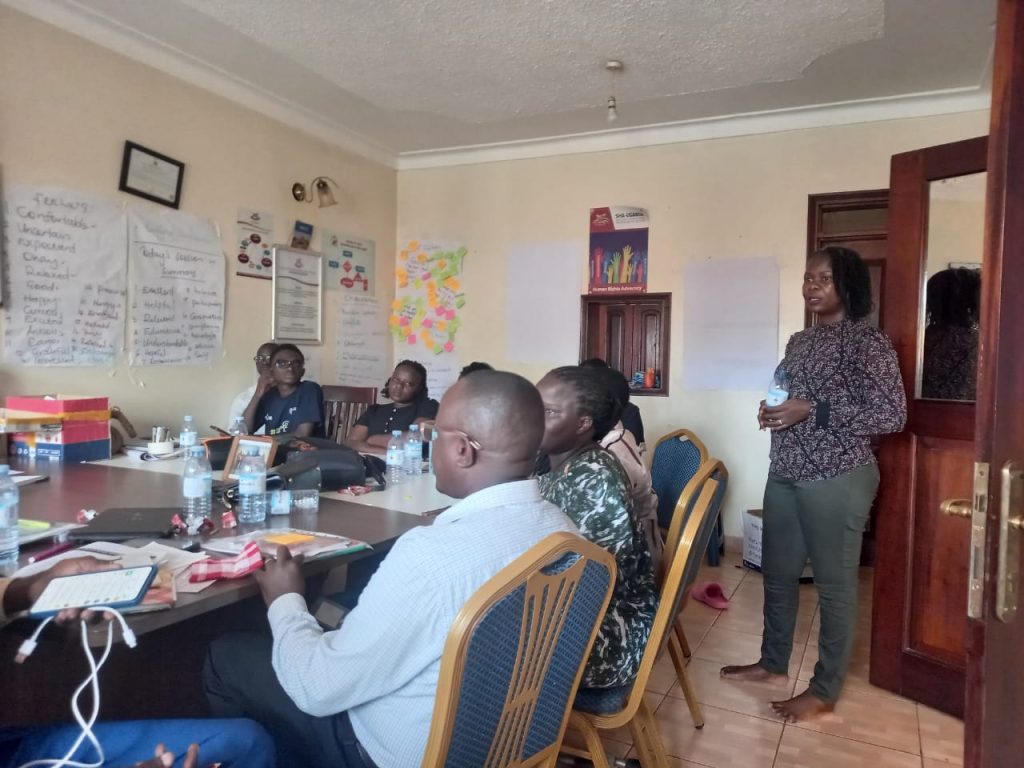
“The training focused heavily on a human-rights-based approach, self-advocacy, and family support advocacy,” Nalugya said. “Participants have been equipped with practical skills on how to work with persons with disabilities, how to claim their rights, present their issues at different levels, and remain relevant within their communities. We also deepened their understanding of both national and international legal frameworks.”

Participants were trained in writing claim letters, preparing advocacy briefs, and communicating effectively with service providers. They also received the national disability identification tool to guide families in understanding different types of disabilities and their related needs.
Nalugya expressed confidence in the trainees:
“This has been fulfilling because many of them have lived experiences. We believe they will create real impact in their communities.”
Representing the Ministry of Gender, Labour and Social Development, Senior Principal Gerontologist Patrick Menya commended SHAU for strengthening disability rights advocacy, noting that such efforts ease the government’s work. He pledged to organize virtual capacity-building sessions for the ToTs on government programs targeting persons with disabilities.
Speaking on behalf of the trainees, Oyirwoth Owen, an inclusive educator from Nebbi District, thanked SHAU for the empowerment and pledged to use the knowledge gained to support parents, schools, and communities.
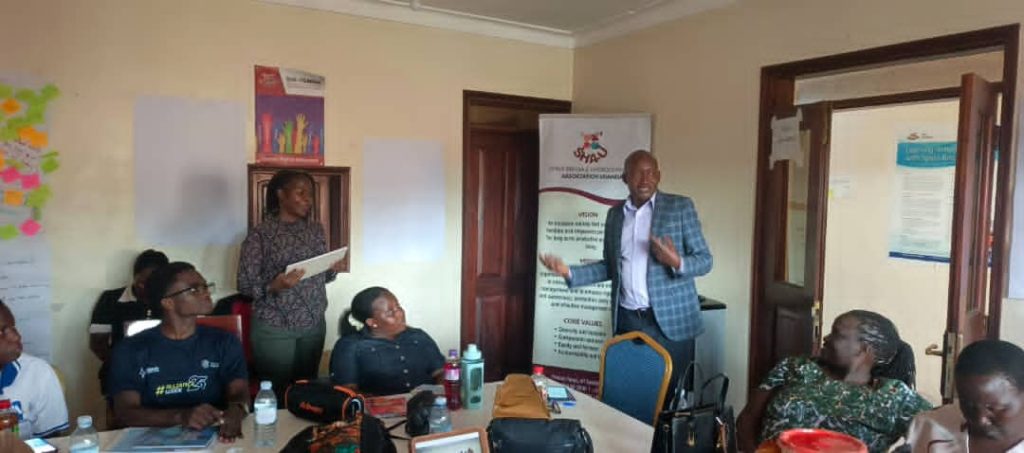
“We’ve been empowered on both rights and responsibilities,” Owen noted. “Most times we advocate for rights but ignore responsibilities. We now know how to guide parents, caretakers, and stakeholders on playing their roles effectively. We also learnt the importance of proper data on persons with disabilities for reference and planning.”
Piloya Evelyn Gloria, a social worker and person living with a physical disability from Gulu, said the training helped fill a major gap in rights advocacy.
“We already know our rights, but often they are not practiced,” Piloya said. “We now know how to prepare, present, and follow up rights claims. As we return to our communities, we will mobilize parents and children with disabilities to ensure they live dignified lives.”
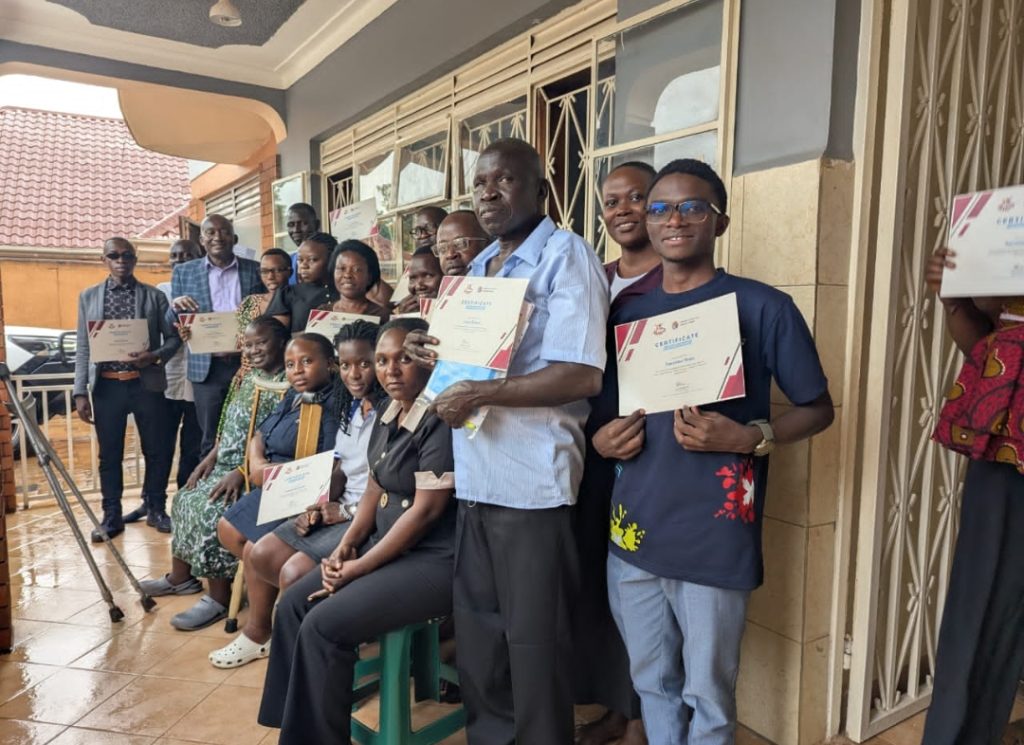
The newly trained ToTs are expected to extend the knowledge and skills gained to families and persons with disabilities across the country, strengthening grassroots advocacy and improving access to services.
