
By Kabuye Ronald
The government has committed to introducing new regulations on proper tyre use following the launch of Uganda’s first comprehensive tyre safety survey, a report that has exposed unsafe tyres as a major but largely overlooked contributor to road crashes.

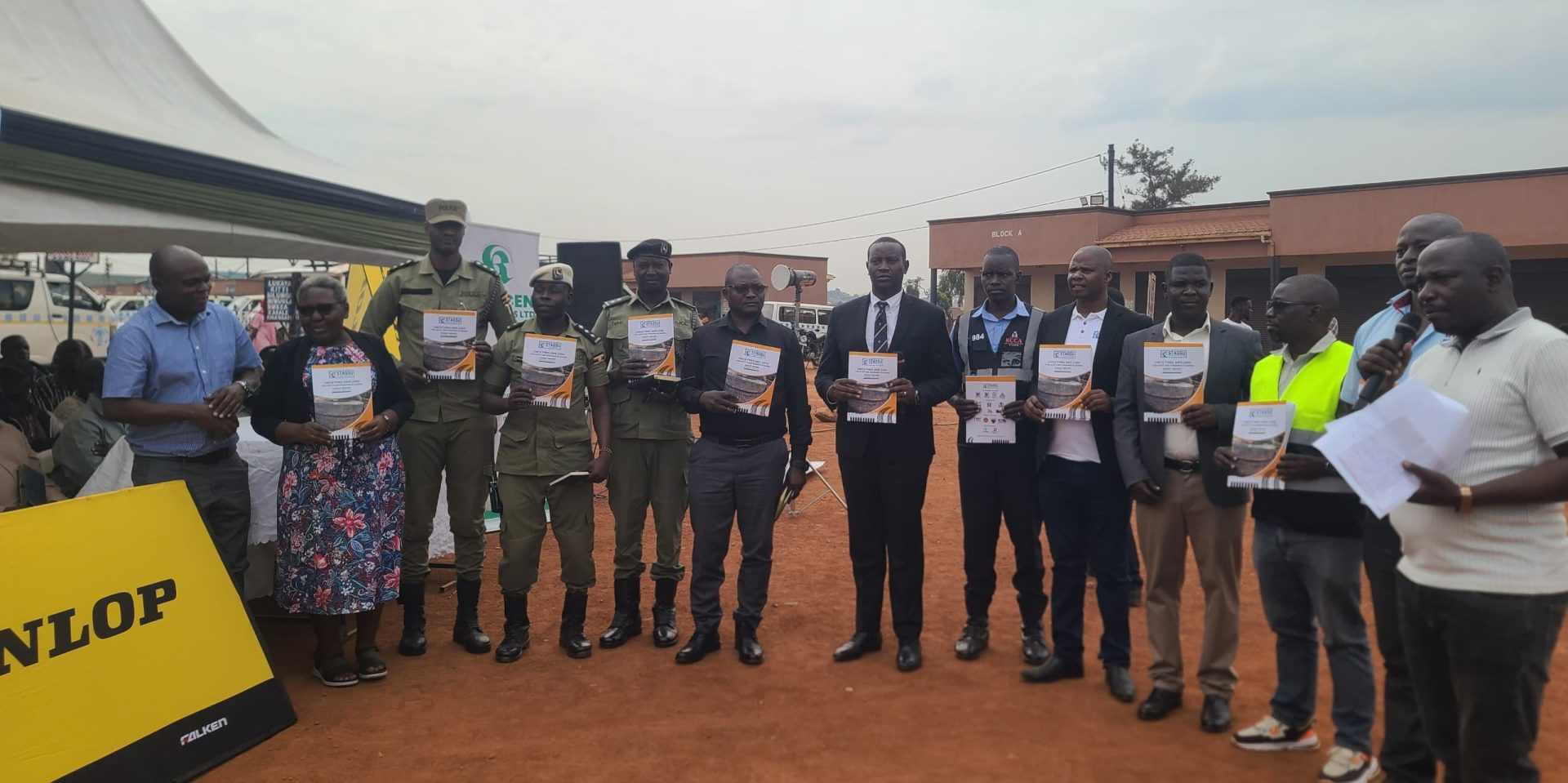
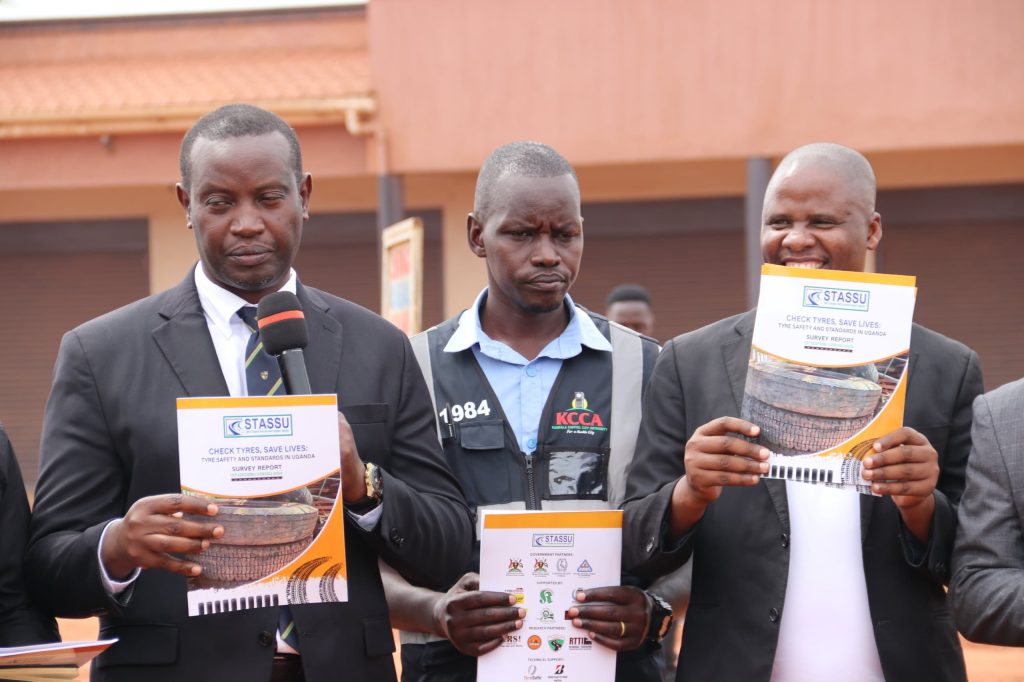
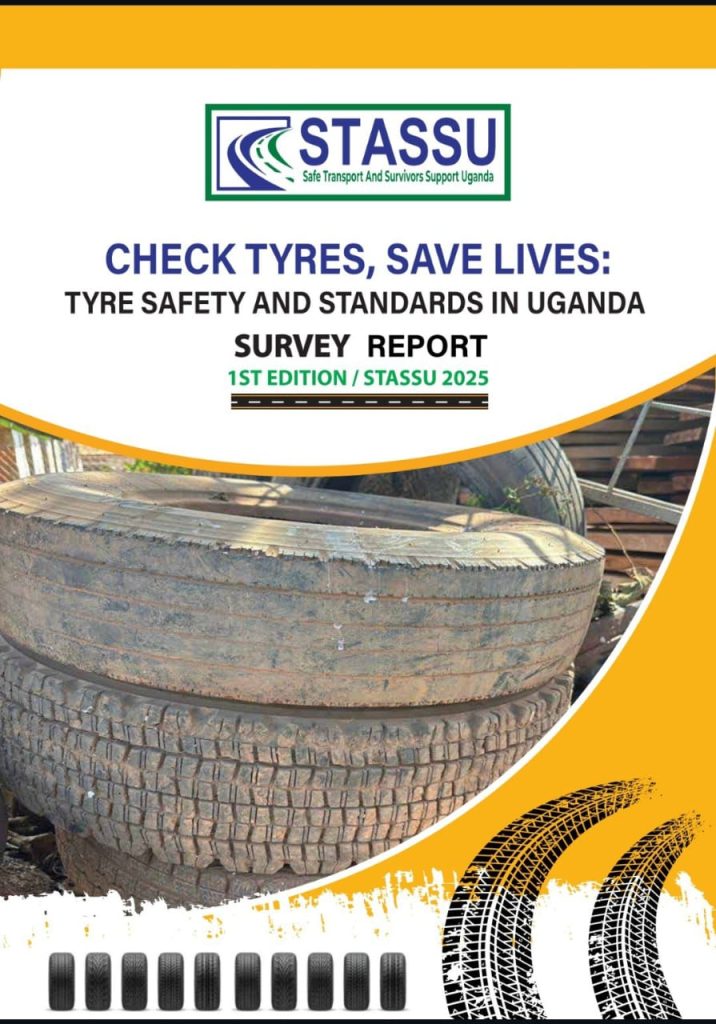
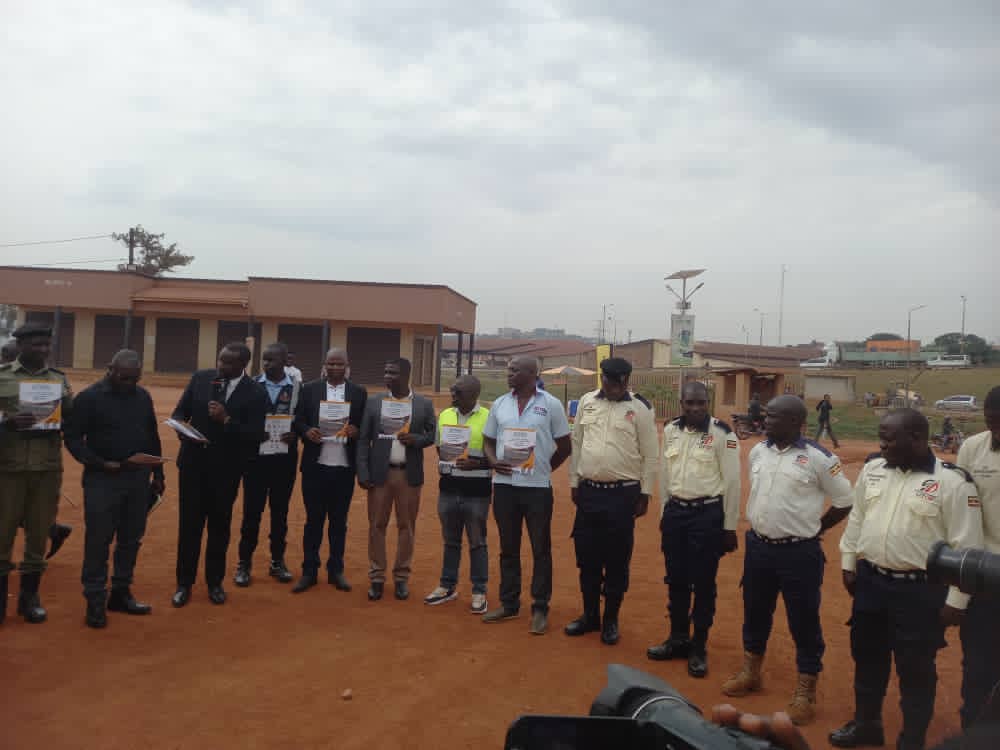
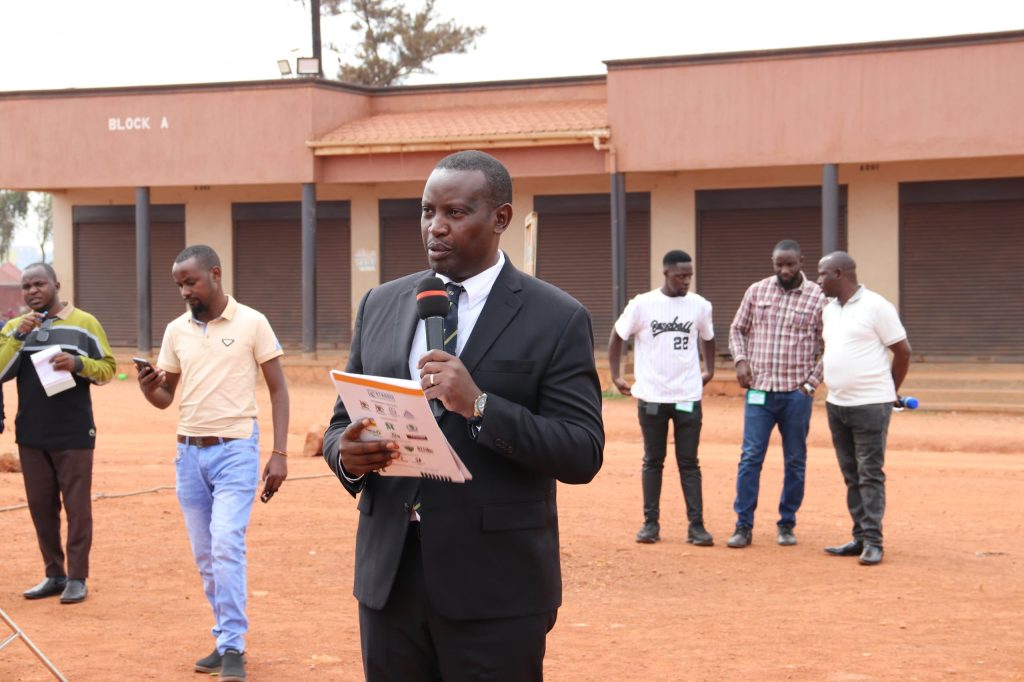
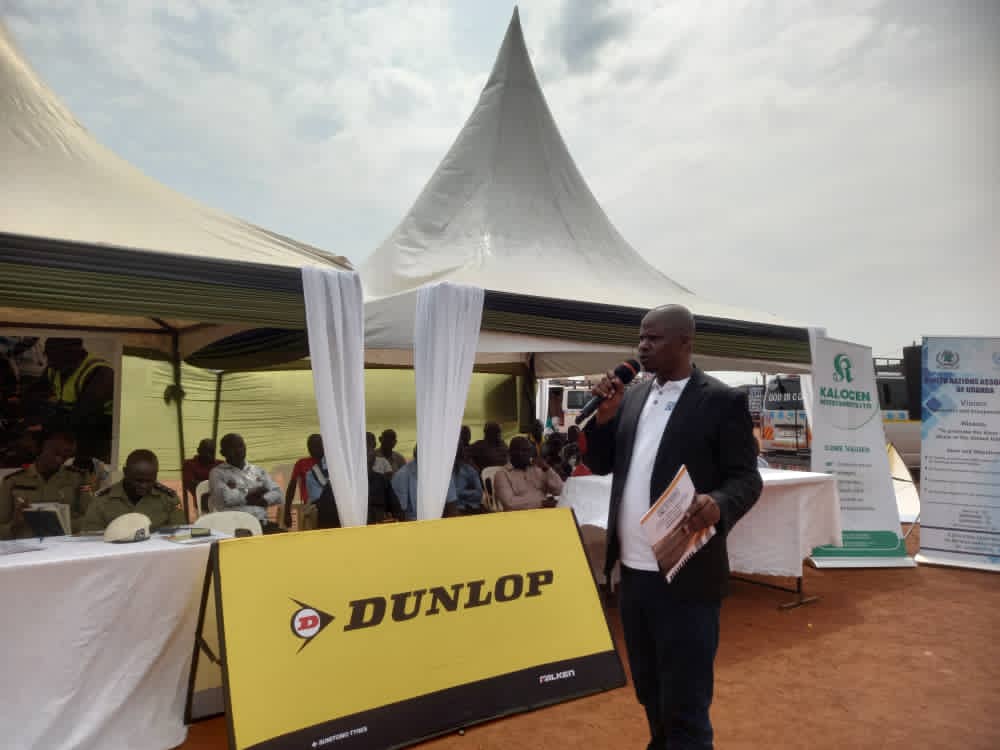
Speaking during the launch of the first edition of the STASSU Check Tyres, Save Lives: Tyre Safety and Standards in Uganda Survey Report at Bwaise Transport Terminal in Kampala on Thursday, Assistant Commissioner for Road Transport Regulation and Safety at the Ministry of Works and Transport, Apollo Kashanku, described the findings as timely and pledged decisive policy action to improve tyre safety.
“I think this is an extremely important report because it touches all our lives. None of us knows who will be the next victim of a road crash. As government, we commit to come up with regulations on the proper use of tyres so that we are able to prevent road crashes arising from tyres since they are the only contact between the road and the vehicle,” Kashanku said.
He said the report provides compelling evidence for stronger regulation, noting that despite sustained road safety awareness campaigns, road crashes continue to claim lives at an alarming rate.
According to Kashanku, Uganda loses an average of 14 people every day on its roads, with many of the victims being young people in their most productive years. He added that public transport accounts for a significant share of these fatalities, making proper vehicle maintenance, particularly tyre safety, an urgent national priority.
“Mass transport has a very big role to play in improving road safety,” he said.
Kashanku also raised concern over the growing availability of counterfeit and poor-quality tyres on the Ugandan market, saying weak oversight has allowed unsafe products to reach consumers.
“You go into shops and find tyres with names you have never heard of. You don’t know where they come from, yet people buy them because they are cheaper. Many of these tyres do not serve motorists well,” he said.
He called on the Uganda National Bureau of Standards (UNBS) to tighten regulation of tyre imports and strengthen market surveillance to eliminate fake and substandard tyres from circulation.
The report, produced by Safe Transport and Survivors Support Uganda (STASSU) with support from local and international road safety partners, paints a troubling picture of tyre safety in Uganda, revealing widespread dependence on second-hand tyres, poor public awareness and gaps in crash data that experts say are undermining road safety interventions.
Presenting the findings, James Akena, the lead consultant of the survey done by STASSU, said tyre safety has long remained a neglected component of road safety despite tyres being the only point of contact between vehicles and the road.
“Unsafe tyres are a silent but preventable threat. Every journey begins and ends with four points of contact between a vehicle and the road, yet tyre safety receives far less attention than speeding or reckless driving,” Akena said.
The report indicates that Uganda recorded 24,635 road crashes in 2025, down slightly from 25,107 in 2024, while road casualties reduced marginally from 25,808 to 25,112 over the same period.
However, researchers noted that although traffic offences declined by nearly three percent, crashes and fatalities remain persistently high, suggesting that mechanical defects, especially unsafe tyres, are becoming an increasingly significant cause of crashes.
Researchers also criticised changes in police reporting that merged tyre-related crashes into the broader category of “dangerous vehicle conditions,” making it difficult to accurately measure the contribution of defective tyres to road crashes.
“Without disaggregated tyre data, policymakers cannot accurately measure the magnitude of the problem or develop targeted interventions,” Akena said.
The survey, which interviewed 317 respondents, mostly public transport operators and boda boda riders, found a strong relationship between tyre type and crash involvement.
Only 10 out of 166 motorists using new tyres reported previous crash involvement compared to 45 out of 151 respondents using second-hand tyres, leading researchers to conclude that second-hand tyres significantly increase crash risk.
The report also uncovered major knowledge gaps among motorists.
Nearly half of respondents admitted having little or no knowledge of tyre safety, while only two percent correctly identified Uganda’s legal minimum tyre tread depth.
Although 94 percent claimed they inspect their vehicles daily, researchers found that most inspections appeared to be limited to visual checks rather than proper examination of tyre pressure, tread depth and structural condition.
The study further established that motorists with better tyre safety knowledge were significantly less likely to have been involved in road crashes.
Samuel Mbambaza, the Executive Director of STASSU called for restoring separate reporting of tyre-related crashes, strengthening regulation of tyre dealers, integrating tyre inspections into routine roadside enforcement and periodic vehicle inspections, expanding public education on tyre maintenance, and improving access to affordable quality tyres.
He said that with government now committing to develop regulations on proper tyre use, adding that the report could mark a significant turning point in addressing one of Uganda’s most preventable causes of road deaths.
Meanwhile, the Uganda Taxi Operators Federation (UTOFU) announced tougher measures against mechanically defective public service vehicles.
The federation’s Head of Security, Aloysius Ddamulira, said taxi park managers have been given one month to remove vehicles with dangerous mechanical defects or risk federation-led enforcement.
“We have written to all taxi park managements directing them to remove vehicles in dangerous mechanical condition. After one month, the federation will begin operations to impound such vehicles before government enforcement agencies intervene,” Ddamulira said.
