
By Jumah Kakomo
The Uganda Cancer Institute (UCI) has urged men aged 40 and above to prioritise prostate cancer screening and seek timely medical attention as Uganda joins the rest of the world in commemorating Prostate Cancer Awareness Month in November.
Dr Alfred Jatho, Head of Community Cancer Services at the Uganda Cancer Institute, said increased public awareness, early detection and improved access to cancer care were essential in reducing prostate cancer-related illness and deaths in the country.

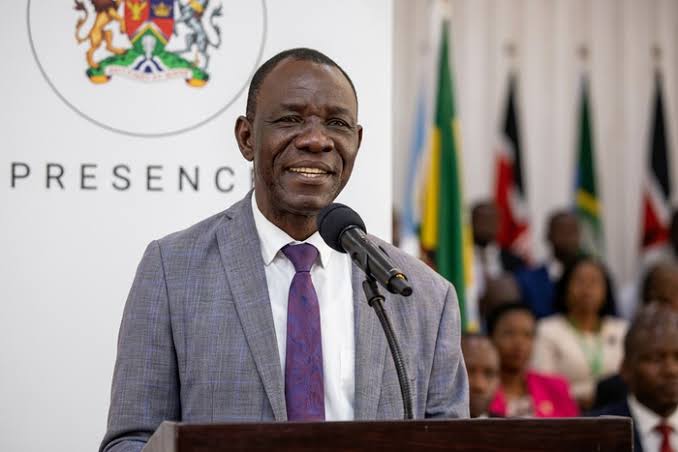
Speaking during the awareness campaign on Thursday at Uganda Media Centre, Dr Jatho described prostate cancer as one of the leading causes of cancer-related illness and mortality among Ugandan men, with an estimated 2,537 new cases recorded annually.
He warned that population growth and increasing life expectancy could contribute to a further rise in cases, noting that the risk of developing prostate cancer increases with age.
Dr Jatho expressed concern that approximately 80 per cent of patients seeking cancer treatment at the Uganda Cancer Institute and other treatment facilities are diagnosed at advanced stages of the disease, particularly stages three and four.
He attributed the high rate of late diagnosis to low uptake of screening services, stigma surrounding prostate health and limited diagnostic capacity in some health facilities, particularly in rural communities.

“Men should not wait until they develop symptoms before seeking medical attention because early-stage prostate cancer rarely presents noticeable warning signs,” Dr Jatho cautioned.
He explained that symptoms such as difficulty passing urine, blood in the urine and persistent lower back pain could indicate prostate-related complications and should prompt immediate medical assessment.
The cancer specialist encouraged men aged 40 and above to discuss prostate cancer screening with qualified healthcare providers. He particularly advised men with a family history of the disease to seek earlier medical advice because they may face an increased risk.
He identified the Prostate-Specific Antigen (PSA) blood test as one of the available methods used in assessing prostate cancer risk. A digital rectal examination may also be recommended depending on an individual’s circumstances and PSA results.
Dr Jatho urged men to take advantage of available healthcare services rather than allowing fear, embarrassment and misconceptions to prevent them from seeking medical attention.
He also challenged myths surrounding prostate cancer, including claims that the disease is caused by witchcraft, having multiple sexual partners or abstaining from sexual intercourse.
Beyond individual responsibility, Dr Jatho called on women, spouses, children and community leaders to encourage men to attend routine health check-ups, observing that men are often less likely than women and children to seek healthcare services.
“Men should remember that while they work hard to provide for their families, they must also take care of their own health. We need men in our communities, and they must prioritise their wellbeing,” he said.
On lifestyle choices, Dr Jatho advised men to adopt healthier diets comprising vegetables, fruits, whole grains and legumes while limiting excessive consumption of red meat and fatty foods.
He also encouraged men to maintain a healthy body weight and engage in at least 30 minutes of physical activity daily, including activities such as walking and cycling.
Additionally, he urged men to avoid smoking and other unhealthy behaviours, including excessive alcohol consumption, noting that these habits can negatively affect general health and potentially complicate cancer treatment outcomes.
Dr Jatho further called on frontline healthcare workers, including Village Health Teams (VHTs) and Community Health Extension Workers (CHEWs), to strengthen community-level awareness and discussions about prostate cancer.
He urged healthcare workers to take the initiative in discussing prostate cancer with eligible men visiting health facilities instead of waiting for patients to request screening services.
He emphasised the importance of shared decision-making, encouraging healthcare providers to explain the available screening options, including their potential benefits and limitations, to enable men to make informed decisions about their health.
The November awareness campaign is expected to strengthen public understanding of prostate cancer, address stigma and misconceptions, and encourage early detection and timely access to appropriate treatment across Uganda.
