
By Kabuye Ronald
Film writer, director and founder of Mpologoma Media, Cissy Nalumansi, has called for a change in perceptions and stereotypes between Africa and the Western world, saying outdated narratives continue to undermine equal partnerships and Africa’s development potential.

Nalumansi said there is a need to challenge negative assumptions that define how Africans and Westerners interact, arguing that such perceptions have entrenched a relationship in which Africa is largely viewed as a recipient of aid rather than an equal development partner.
She made the remarks during the Debunking Notions Uganda 2026: Reshaping Mindsets for Uganda’s Future Conference held on Wednesday at the National ICT Innovation Hub in Kampala.
Nalumansi said she started the Debunking Notions, Reshaping Mindsets project together with her Dutch colleague, Mark Broere, with the aim of dismantling stereotypes and negative biases that exist between Africa and the West.
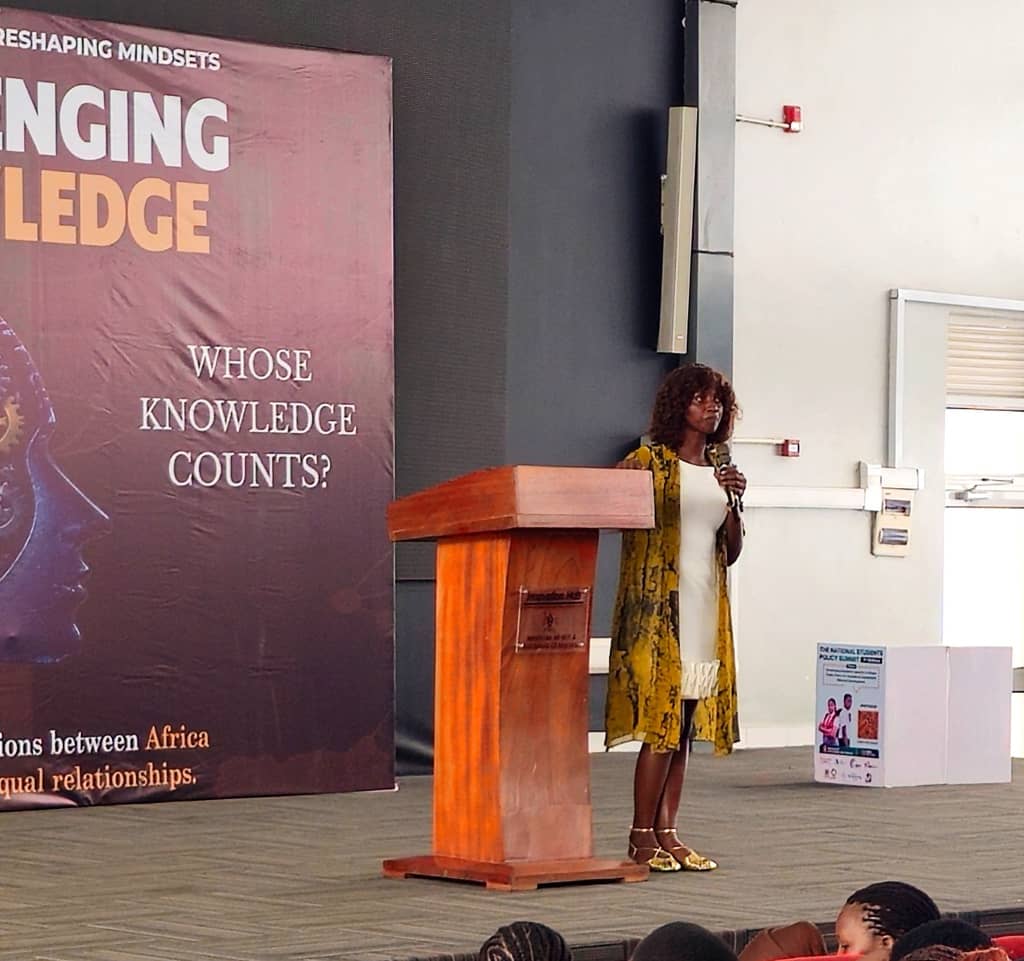
Film writer, director and founder of Mpologoma Media, Cissy Nalumansi
She said her international travels had exposed her to several forms of prejudice associated with being African, including suspicion during visa applications, where applicants are often treated as potential immigrants who may not return to their home countries.
“There are still a lot of biases that define the way we interact and relate. If they are not changed, we will always have a donor-funded relationship, where white people think about how they can help Africans by giving them a little money,” Nalumansi said.
She argued that such relationships leave Africans on the receiving end, limiting their ability to participate in negotiations and make decisions about their own future.

“We are taking down one stereotype at a time so that the way they look at us changes and vice versa,” she added.
Nalumansi acknowledged that changing deeply rooted perceptions was a huge challenge but said the project was focused on influencing individuals, one at a time, in the belief that those reached would spread the message to others.
She revealed that the initiative was first taken to the Netherlands in 2024 in collaboration with the Dutch Ministry of Foreign Affairs and has since organised several engagements in Uganda, the Netherlands and other countries.
According to Nalumansi, the positive reception at these events demonstrates growing interest in conversations about stereotypes, mutual understanding and equal partnerships.
The Ambassador of the Kingdom of the Netherlands to Uganda, Angèle Van Der Heijden-Samura, urged Africans to take responsibility for shaping their own future rather than depending on external actors to determine their development priorities.
She challenged Ugandans to be confident enough to reject projects and proposals that do not address their interests, even when they come with financial support.
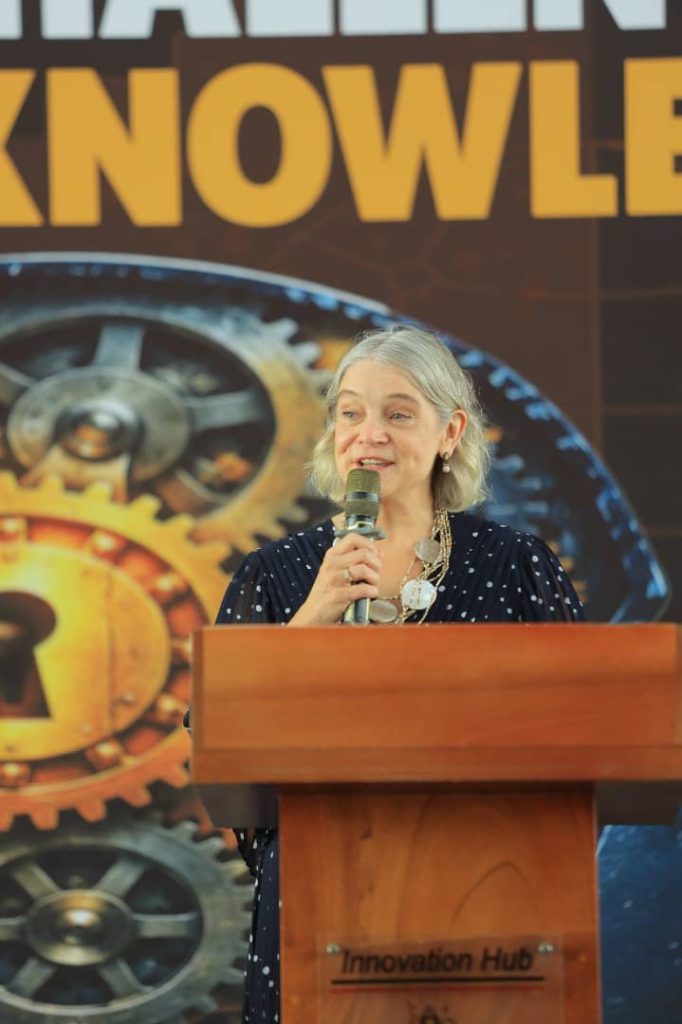
The Ambassador of the Kingdom of the Netherlands to Uganda, Angèle Van Der Heijden-Samura
“You should be bold to know and say this doesn’t fit us because it’s not in our interest, despite it coming with money, because you are knowledgeable and you know the needs of your community,” she said.
The ambassador also raised concerns about the growing influence of Artificial Intelligence (AI), saying stakeholders must question whose interests inform the technology and how it can be made to serve everyone.
She observed that the traditional dominance of Western powers was declining as new global powers emerged, creating an opportunity for Africa to assert its influence.
“The West is no longer the power it was. The West is declining and other powers are coming up, and Africa is one of them. The more we realise that Africa has a future, and that young people have potential and their voices count, the more they should stand up and shape things the way they want,” she said.
She called for a return to the drawing board to rethink development priorities and how international partnerships are structured.
The ambassador also shared a personal experience of encountering stereotypes, recalling how people sometimes assumed that her husband, who is from Sierra Leone, was her driver whenever they appeared together.
Meanwhile, Marc Broere, co-founder of Vice Versa Global and Debunking Notions, challenged the assumption that solutions to Africa’s challenges must always originate from outside the continent.
He emphasised the need to recognise and trust African creativity, local knowledge and innovation, saying both Africa and the West must dismantle existing stereotypes before meaningful and equal collaboration can be achieved.
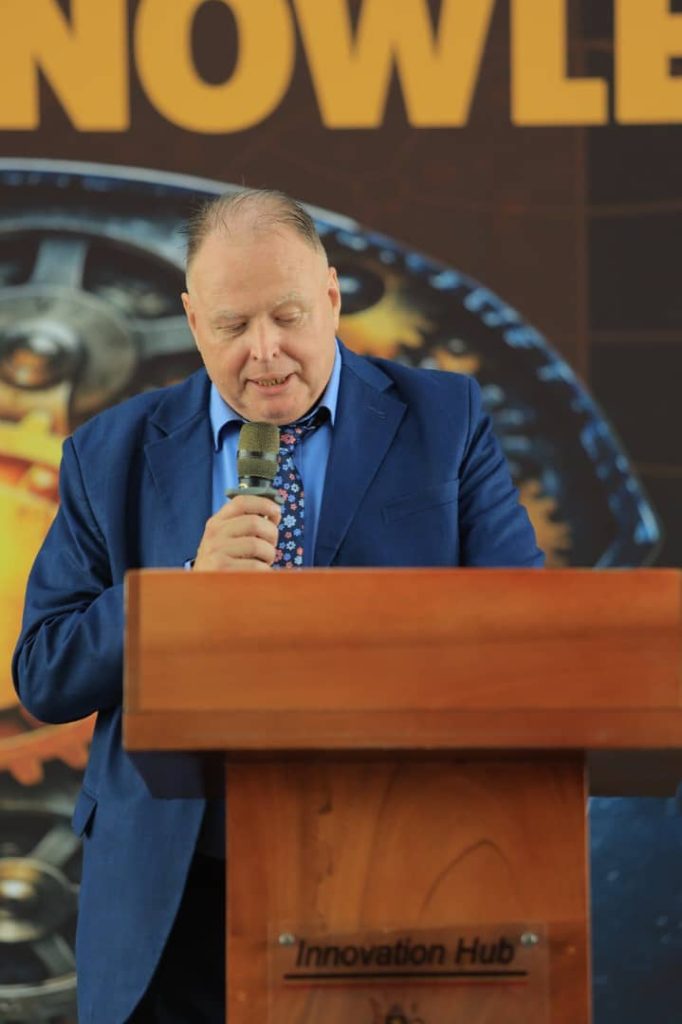
Marc Broere, co-founder of Vice Versa Global and Debunking Notions
Broere said the initiative had made encouraging progress, citing the growing interest in discussions about perceptions, partnerships and development.
Patricia Atim, a student at Muni University and one of the conference participants, said the initiative was particularly important for young people, who represent the future of the country.
Atim said there was a need to change how Westerners perceive Uganda, noting that the country was often viewed through the lens of poverty, poor sanitation and other negative narratives, while Africans sometimes idealised Western countries.
“I feel a lot needs to change in how white people look at Uganda. They see it through the lenses of poverty, dirt and unpleasantness, and there is nothing they appreciate about our country. Yet, when we visit their countries, we see paradise, beautiful things and wealth. That is something that should change in our minds. We should start looking at each other based on the capacity we have,” she said.
She urged young people to appreciate Uganda’s current position, identify its challenges and work towards building the country they desire.
“As young people, we should go back to the drawing board, look at the Uganda we are in right now, appreciate it the way it is and then find ways of building it into the Uganda we really want,” Atim said.
She called for the continuation of the Debunking Notions initiative, saying it could help young people develop a positive mindset, strengthen patriotism and appreciate their country’s potential without relying on perceptions shaped by outsiders.
The Debunking Notions Uganda 2026 conference brought together government representatives, young people, researchers, innovators, development partners, media practitioners and civil society organisations to challenge stereotypes, question outdated assumptions and reshape perspectives about Uganda, Africa and international partnerships.
The conference sought to promote equal partnerships, locally led development, community knowledge and African agency while examining perceptions of Europe within African societies and recognising that stereotypes and misconceptions exist in both directions.
Organisers noted that despite Africa’s growing innovation, expertise and development achievements, outdated narratives continue to portray the continent largely through poverty, conflict and dependency.
