
By Yusuf Obbo
Iganga Municipal Town Clerk has defended the controversial tax enforcement operation in the municipality, revealing that the nine-day exercise collected about Shs600 million, including Shs200 million in property tax, while accusing some civil servants and individuals of diverting money paid by traders and landlords.

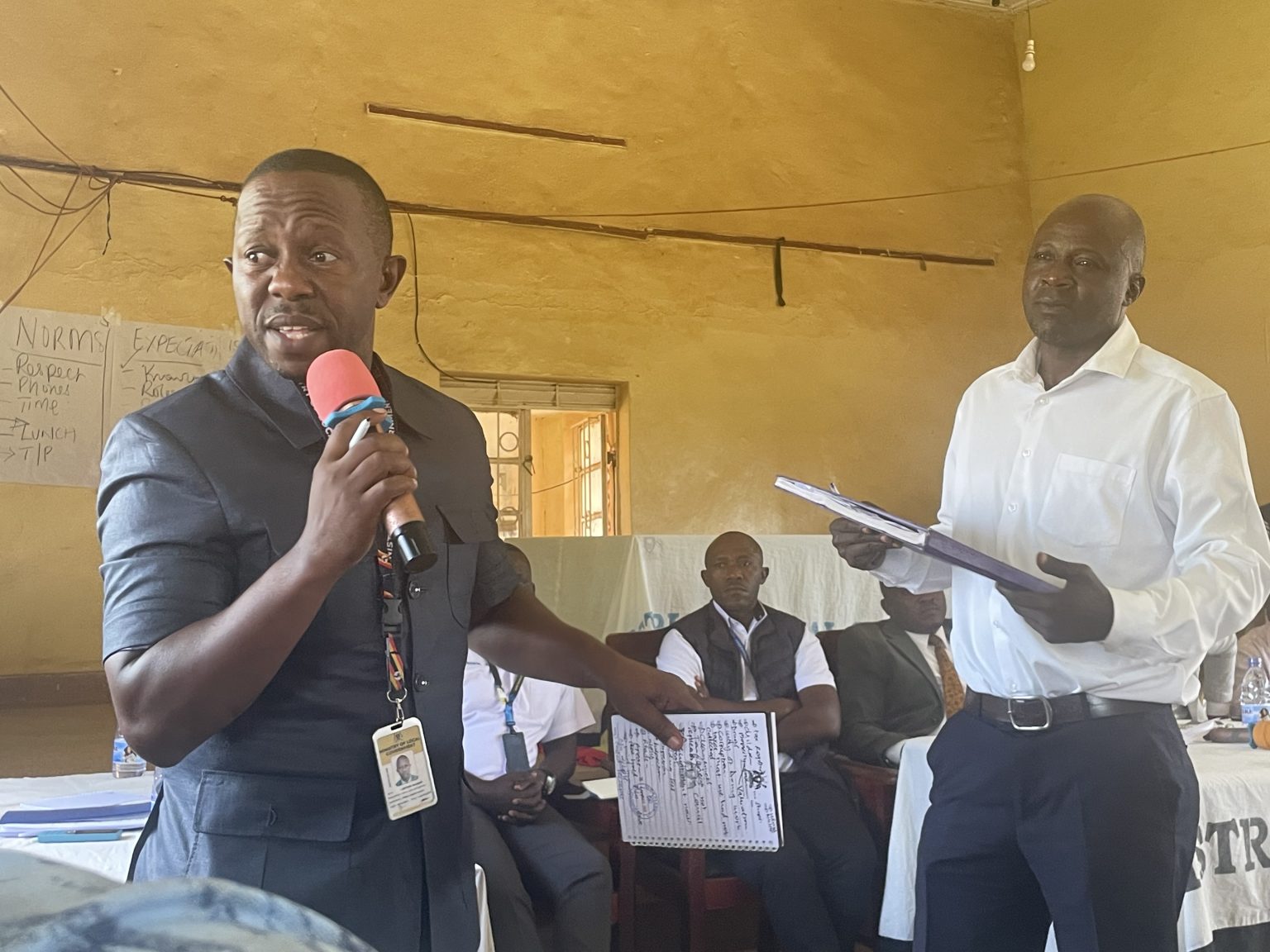
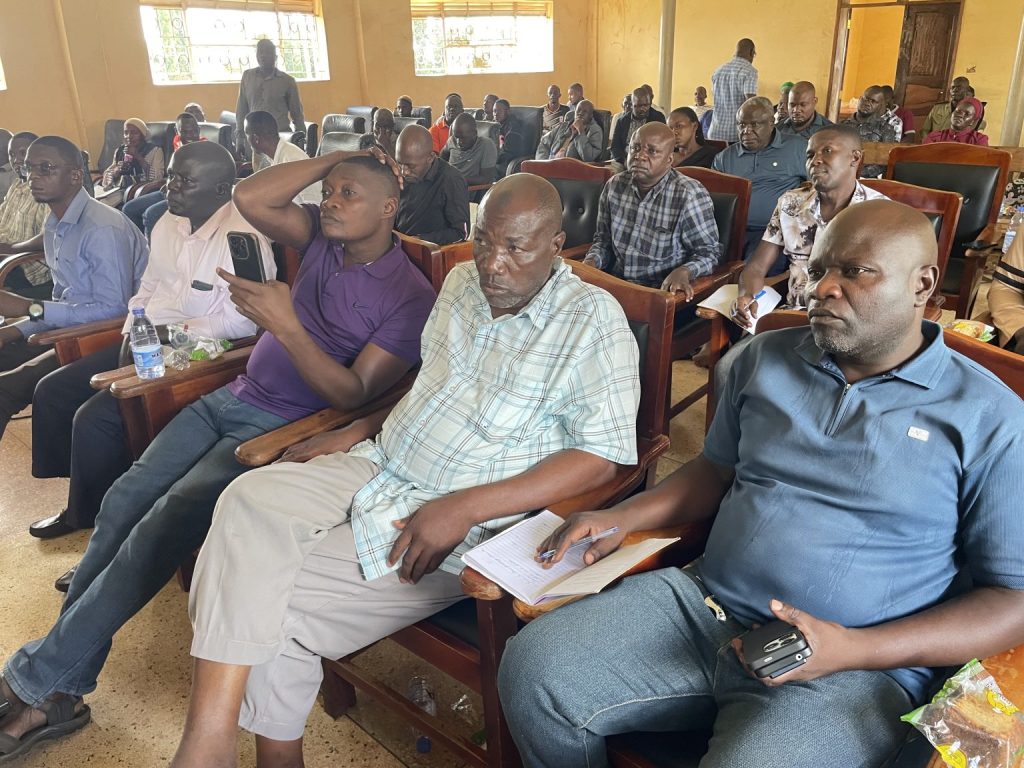
The Town Clerk made the revelations during a tax harmonisation meeting convened by Iganga Resident District Commissioner Eric Ssewandigi at Iganga District Council Hall following complaints from traders and landlords over aggressive tax enforcement operations in the municipality.
According to the Town Clerk, the recent operation was not intended to target small businesses or traders who were complying with their tax obligations, but rather businesses and property owners who had allegedly operated for years without paying the required taxes.
He said the operation uncovered several investors and property owners who had accumulated tax obligations over many years.
The Town Clerk further alleged that some traders had been encouraged not to pay taxes by individuals claiming to have political or official protection, while others allegedly paid money directly to civil servants without receiving official receipts.
He also warned that some traders may have been issued fake receipts, leading to losses for both the taxpayers and the municipal authority.
“The blame should not be put on the traders or the enforcement team. The problem is with people who have been diverting money collected from traders,” the Town Clerk said.
He said the municipality requires tax revenue to finance service delivery and development projects and argued that stopping tax evasion would ultimately benefit the local community.
The Town Clerk told the meeting that the nine-day enforcement operation resulted in the collection of approximately Shs600 million, of which about Shs200 million came from property tax.
He said the money collected should be used transparently to improve services and infrastructure in the municipality.
Addressing landlords, he said the authority had for years collected property tax from them without adequately explaining how much was being collected or giving them an opportunity to participate in discussions about development priorities.

He said the municipality was now seeking to engage landlords so that they could better understand their obligations and participate in discussions on how property-tax revenue can contribute to the development of the town.
The Town Clerk also revealed that local councils in the municipality’s two divisions had been empowered with Shs40 million to support their activities and development needs.
He said the move was part of efforts to ensure that tax revenue benefits communities at the grassroots.
The Town Clerk also pointed to the municipal physical planning department, saying the Physical Planner, who is currently on interdiction following orders by Minister for Local Government Balaam Barugahara, was among the officials whose conduct had contributed to problems in the town.
During the meeting, traders’ chairperson Dauda Wanansi asked the municipal authorities to reduce the force used during tax enforcement operations and instead give traders sufficient time to understand and settle their tax obligations.
Wanansi said most traders were willing to comply if they were properly sensitised and given reasonable time to pay.
“These traders you see here are good at complying. We are going to guide them more about what they are supposed to pay, and I assure you they will comply if given time,” Wanansi said.
He also cautioned traders against handing cash directly to enforcement officers or technical staff.
The Town Clerk warned traders and landlords against making cash payments to municipal staff, saying all official payments must be processed through the government payment system.
He said taxpayers should obtain a Payment Registration Number (PRN) and use it to make payments, rather than handing money to enforcement personnel or other officials.
He urged landlords to prepare their ownership and property documents to allow proper assessments to be conducted.
The Town Clerk pledged to adopt a more friendly approach to enforcement while continuing to pursue taxpayers who deliberately evade their obligations.
The harmonisation meeting followed complaints filed by traders with RDC Eric Ssewandigi after the recent enforcement operations triggered protests in Iganga Municipality.
Traders had complained that they were not adequately sensitised about some of the taxes and demanded time to understand their obligations and comply rather than being caught off guard by enforcement teams.
Following the meeting, the parties agreed to suspend night enforcement operations by the municipal authorities.
They also agreed that traders would begin paying other statutory obligations, including Local Service Tax (LST), starting with the 2026/27 financial year.
The meeting ended with a commitment from both the municipal authorities and the business community to improve communication, strengthen compliance and resolve tax disputes through dialogue rather than confrontation.
