
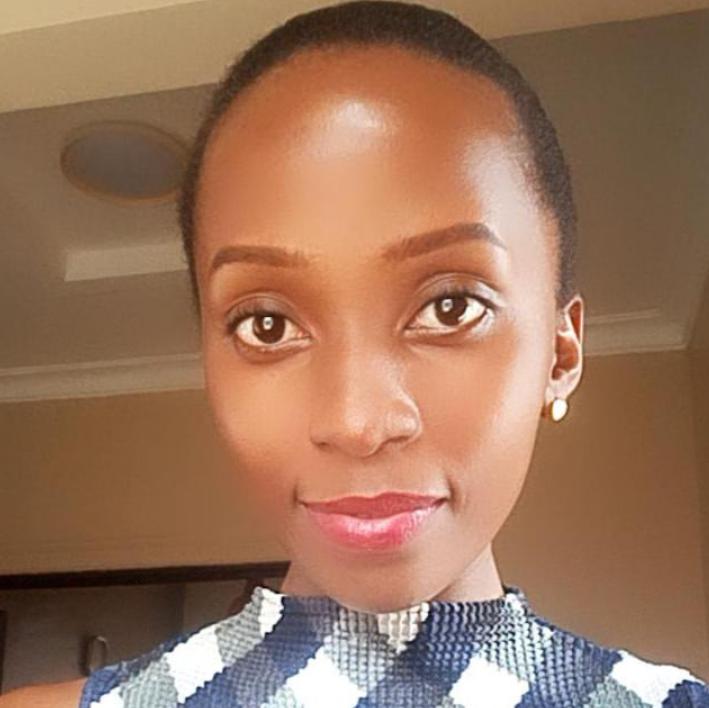
By Rebecca Yagaba
With the masses in Uganda looking forward to the full reopening of the economy in January 2022 as promised by H.E President Yoweri Kaguta Museveni, experts from various fields have cited unfair and discriminative responses of covid-19 mandates with respect to the rights of the people.
Hon. Alice Alaso, the Deputy National Coordinator of Alliance for National Transformation (ANT) while speaking at the 6th virtual weekly Town Hall meeting last week, themed “Ending Lockdown Tyranny: Lessons, Reflections and Choices Beyond the Covid19 Mandates,” expressed her concern about the leaders who are making decisions without the voice of the ordinary citizens.

“It is wrong for the President and his team that are at the helm of the management of the covid pandemic in this country to assume that we are passive participants. No, we are very key stakeholders as ordinary Ugandans chasing a living out there and having children who should go to school, or as pastors who need to know when the rest of the people would be able to come back to church as a full congregation. We need to know the timelines, we need to begin to plan, we need to see what adjustments we can make,” she said.
One of the concerns that have come out strongly in these weekly Town Hall meetings by different experts has been the outrageous curtailing of the freedom of worship. Simon Ssenyonga, a Ugandan lawyer, during the same meeting this week defended the significance and position of places of worship in a nation.
“Religion and places of worship hold the place of the national consciousness of the nation. They are the key persuasive factor to the nationals to be driven towards a particular course of action. The biggest inspiration for any nation to pursue a particular path will normally and predominantly come from the stand that the leaders of the places of worship take,” he said. And this here, according to many analysts might be the reason why places of worship have not been granted their freedom; worshippers are very keen about the direction that their leaders give and they mostly follow this guidance unquestioningly.
According to Counsel Ssenyonga, political leaders all around the world are fighting to unarm the power that faith leaders wield by limiting the access that leaders have to their people.
It important to note that different religious leaders have in this regard filed a law suit in the High Court of Uganda, Civil Division protesting the unfair limiting of their freedoms by government. The suit was filed against the Attorney General, the Minister of Health Hon. Dr. Jane Ruth Aceng and the Permanent Secretary of the Ministry of Health Dr. Diana Atwine, over the discriminatory and prolonged ban on religious gatherings.
Bishop Wisdom K. Peter, the lead petitioner maintains that court should lift all the restrictions that were placed against places of worship because they are discriminative. “We see no justification in opening market places without capping numbers and yet the numbers that go to places of worship are capped. And we see no justification in discriminating some people like the children and the elderly from going to church yet they go to the markets. There are children in the markets and there are elderly people in the markets. Why are they stopped from coming to church? Actually, as a scientist, there are so many papers that are coming out today that are rejecting that entire theory. When you go to other nations, schools are open, market places are open and they are not restricting children and elderly people from going to places of worship. Why is it here in Uganda?” Bishop Wisdom remarked.
A similar case was filed in petition to the East African Court of Justice in Arusha by leaders of faith-based institutions in Uganda, seeking orders that government cease to enforce a ban on places of worship and awaits hearing.
Neighbouring countries like Tanzania did not institute lockdowns when the pandemic hit. Kenya recently lifted its curfew while states in the U.S like Florida and Texas lifted covid restrictions and ended lockdowns early this year allowing public gatherings and businesses to operate freely.
