
By Kabuye Ronald
Experts have revealed that stigma is the biggest limiting factor in helping people get treatment and thus hindering the addiction recovery.
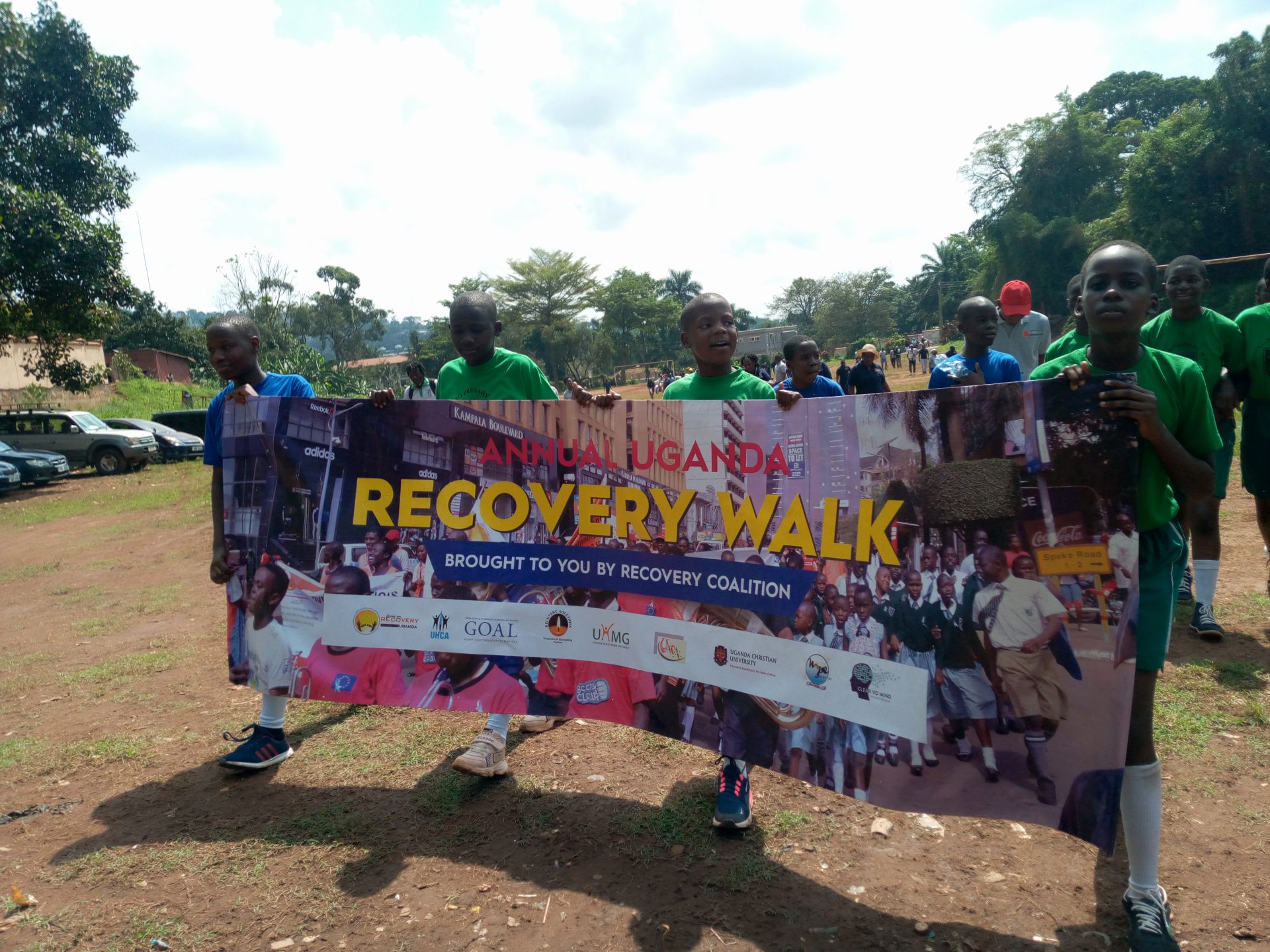
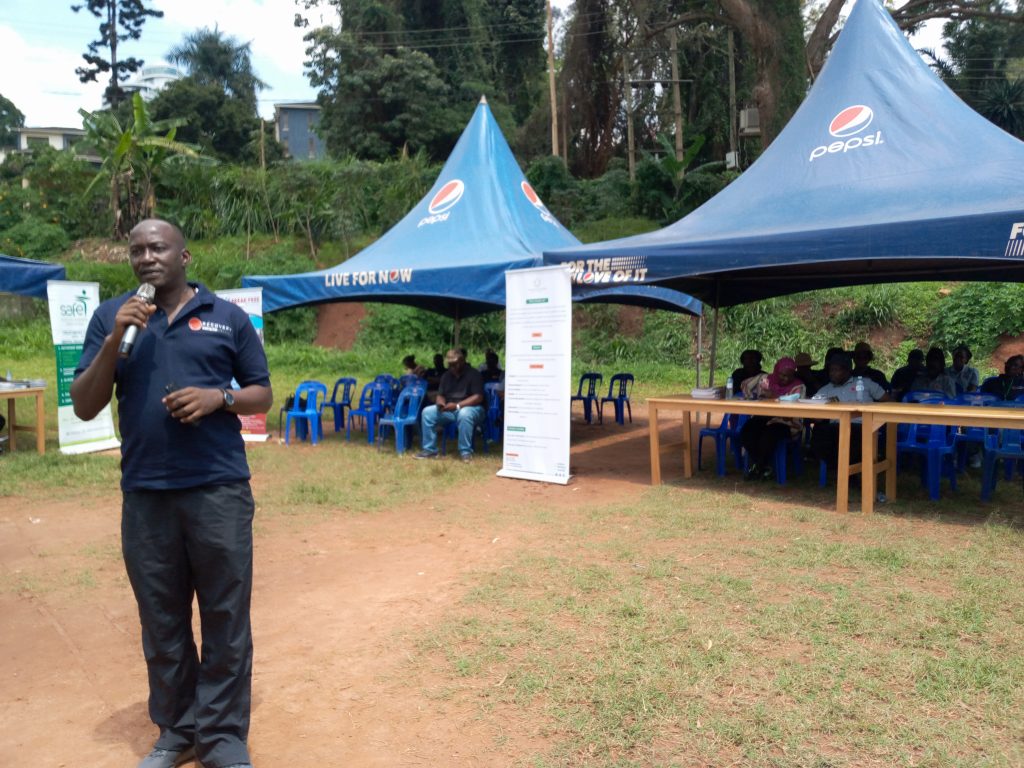
This was revealed during the sixth Annual Uganda Recovery Walk held under the theme: “Rise above stigma” at Nakasero Primary School playground organized by Recovery Coalition which unites civil society organizations in the field of mental health especially in the field of addiction.

Dr. Brian Mutamba, the Deputy Director of Butabika National Referral Mental Hospital said that many times its people’s outward attitude and behaviors towards others which is processed to affect the way a person thinks and treats others.
He says Stigma is the biggest limiting factor in helping addicted people to get support and thus it is everyone’s responsibility to support but not to stigmatize those battling alcohol, drugs and other substance addictions.
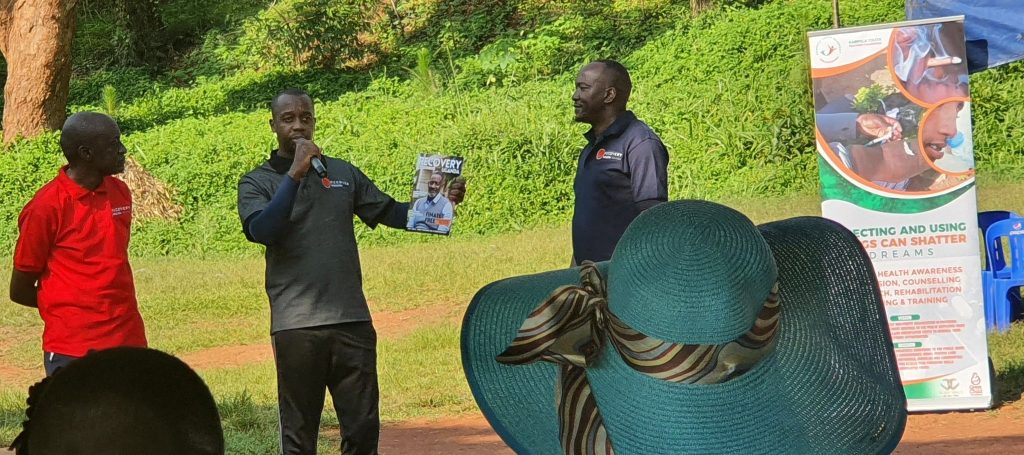
He also urged families to take lead in supporting those battling addiction since supportive families and environment brings about quick recovery, adding that the earlier the children are given the right information about substance abuse, the more they and their friends are protected.
Albert Elwa, the Chairman Recovery Coalition said that their objective in the walk is to raise awareness about addiction and stigma since many families have people struggling with drugs and alcohol addiction but they hide because they fear shame and the addicted feel guilt. He however says that society has instead weaponised people’s shame and guilty.
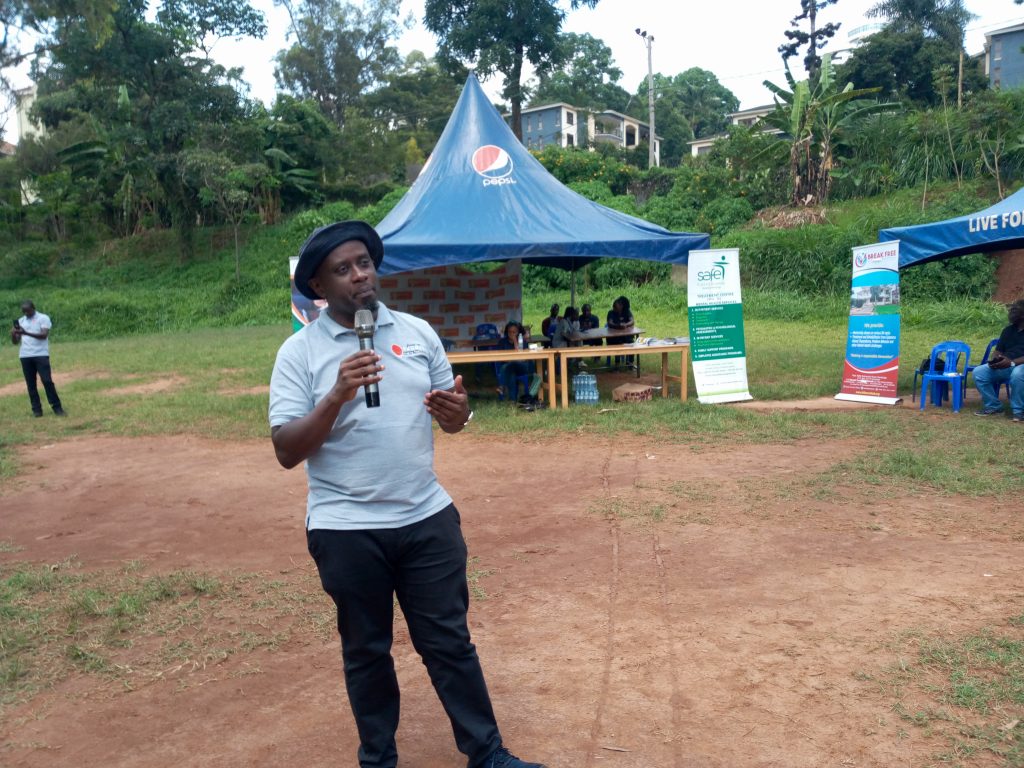
He says it time for everyone to come out strongly and point to the world that addiction is a scientifically proven disease just like other normal diseases that people suffer from and thus a need to support them to start on treatment that will help them recover.
This year, the New vision newspaper reported that 14 million people in Uganda are mentally ill. Elwa says that arguably, only 1/50 Ugandans have information about addiction treatment and adds that probably only 1/100 people battling addiction access treatment. He states that he believes that statistics could be higher than that.
He emphasized that people who are suffering from addictions are not “mad” like many people think and assert, and that the word “mad” is one of the most common stigma promoting words.
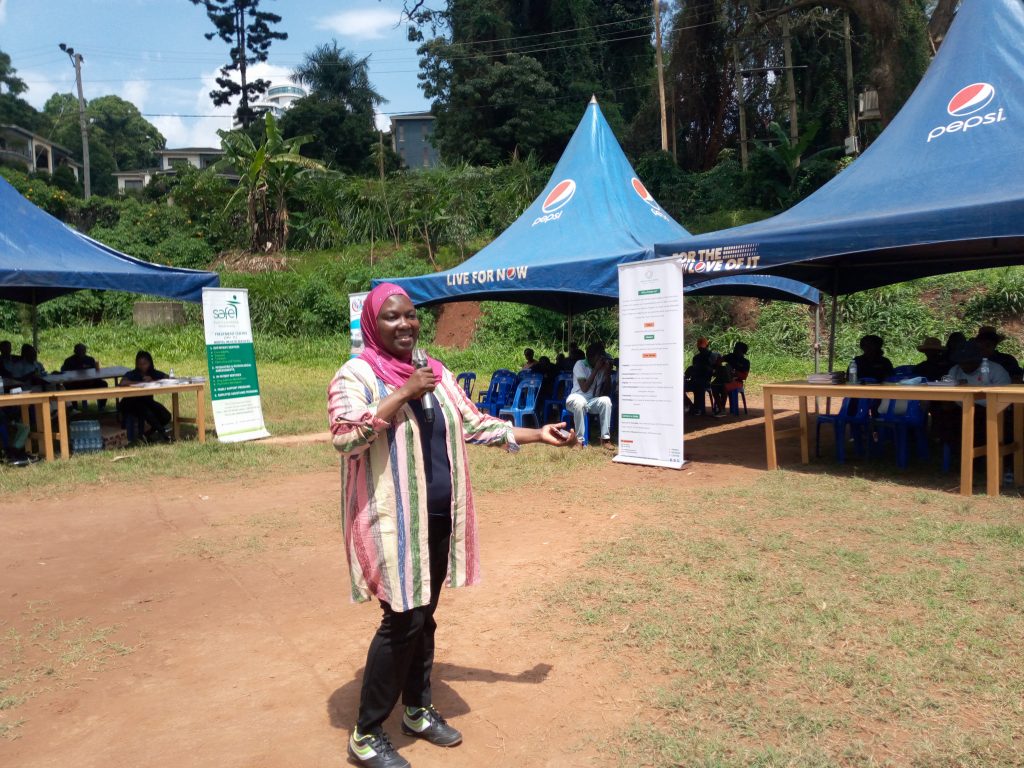
Albert says that government must come up with policies and embark on a national awareness campaign just like it was the case with HIV in order to save the young generation.
Hon. Dr. Ayume Charles, the Chairperson of the Health committee in Parliament, who also flagged off the Recovery Walk said that his committee will invite the Recovery Coalition and other stakeholders to help them in policy formulation on addiction.
Dr. Ayume cited that our youth unemployment has been one of the drives of alcohol, drug and substance abuse, which also ends up in addiction and mental illness.
He emphasized the importance of spreading awareness which he says will enable people know that addiction, stress and other mental health diseases are treatable and curable.
Ms. Lindsay Nzeyi, a Counselling Psychologist and also the Executive Director of Break Free Rehabilitation Centre in Bwebibajja, says the public should understand that mental health is what drives everybody since it’s the brain that is affected, yet it’s what drives every organ of the body and so it’s very important to seek for treatment instead of hiding.
Ms. Nzeyi said that rehabilitation centers are expensive because the treatment too is very expensive before advising and urging corporate companies, government institutions and all employers to create a fund that helps in treatment of people suffering from addiction and other mental health issues.
Dr. Hafisah Lukwata, the head of Mental Health Division at Ministry of Health revealed that at every government health facility there is a person handling mental health issues.
She added that they are in a process of standardizing protocol on mental health care.
