
By Kabuye Ronald
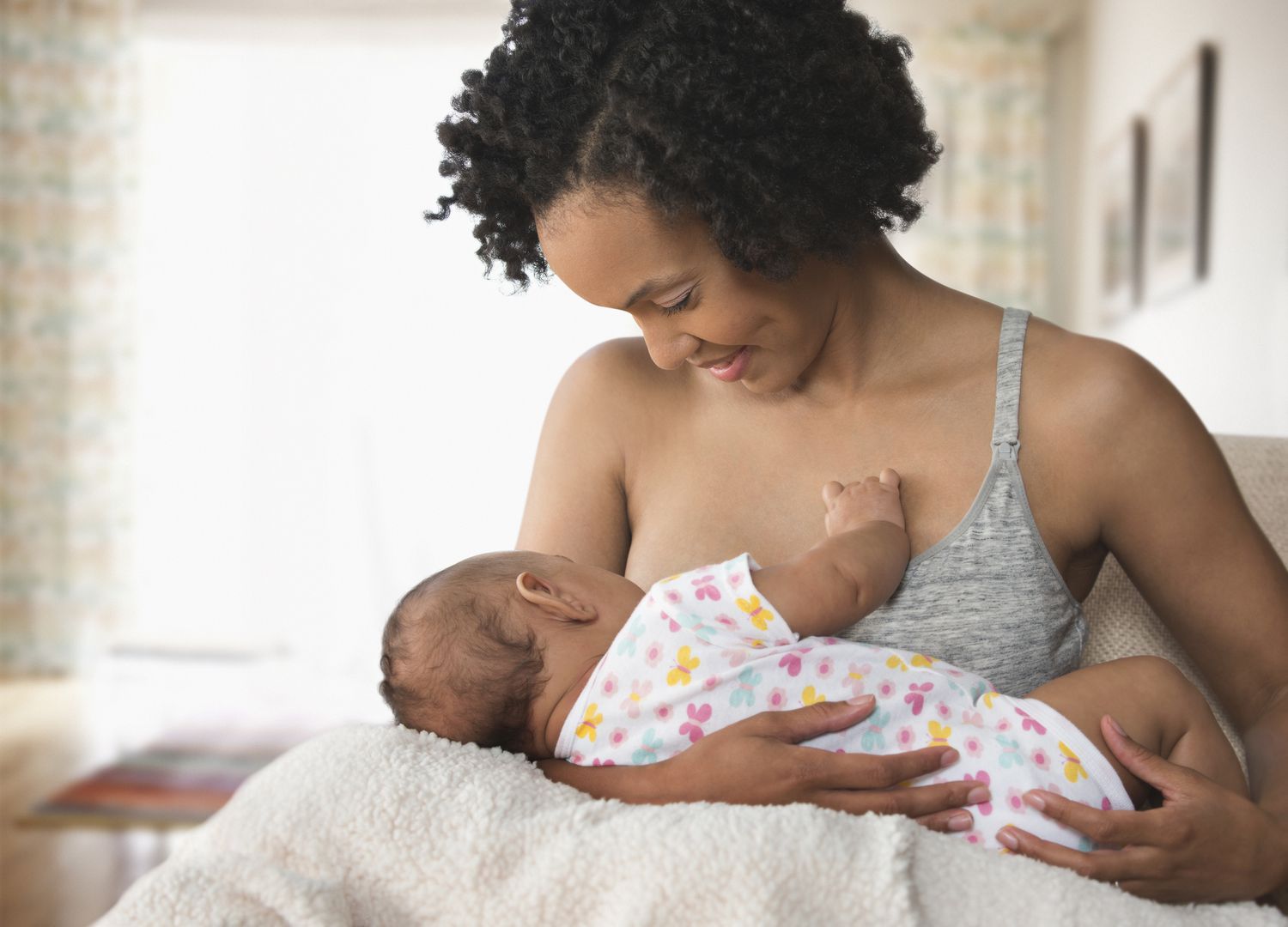
In a concerted effort to address malnutrition and reduce child mortality rates, mothers are being urged to exclusively breastfeed their babies from birth to six months, a critical period for building immunity and ensuring healthy development. The call was made during the launch of World Breastfeeding Week, themed “Bridge the Gap,” aimed at addressing ongoing challenges in infant nutrition.

Samalie Namukose, Assistant Commissioner for Nutrition at the Ministry of Health, highlighted the paradox of high breastfeeding rates—87%—coupled with significant malnutrition issues. Despite this commendable rate, 27% of babies are still stunted, 10.2% are underweight, and 2.8% are obese. This discrepancy underscores the need for more comprehensive strategies to eliminate malnutrition among infants.
Namukose emphasized that the Ministry of Health’s 2030 sustainable goal is to achieve 95% exclusive breastfeeding coverage. This ambitious target aims to mitigate health issues and improve overall child well-being. “Breastfeeding not only provides essential nutrients but also promotes better health outcomes and intellectual development in children. It’s a cost-effective and always available resource,” she explained.

During this year’s breastfeeding week, the Ministry is focused on raising awareness among new and expectant mothers. Namukose assured that women living with HIV can safely breastfeed their babies for up to two years, provided they adhere to their antiretroviral therapy (ART) regimen.
Dr. Tim Mateba, a senior nutritionist at the Ministry of Health, underscored the importance of initiating breastfeeding within the first hour of birth. He noted that early breastfeeding provides crucial antibodies and supports the mother’s milk production.

The event was organized by the USAID Social and Behavior Change Activity (SBCA) project, in partnership with USAID, the Ministry of Health Uganda, KCCA, and other key organizations including USAID MCHNA, USAID UHA, IBFAN, and the Preterm Infants Parents Network Uganda. These collaborations aim to bridge gaps in breastfeeding practices and improve the health outcomes for Uganda’s youngest citizens.
