
By Jumah Kakomo
Uganda remains one of the world’s largest refugee-hosting countries, sheltering over 1.85 million refugees as of May 23, 2025. This influx stems largely from ongoing conflict, violence, and political instability in neighboring countries such as South Sudan, Sudan, and the Democratic Republic of the Congo (DRC). While Uganda has earned international recognition for its progressive refugee policies—offering access to land, education, employment, healthcare, and other basic rights—the situation on the ground has become increasingly untenable.

Nearly half of Uganda’s refugees reside in overcrowded settlements like Bidi Bidi, Pagirinya, and Rhino Camp in the northwest. The strain on Uganda’s resources is compounded by shrinking international aid, rising living costs, and deteriorating infrastructure. For example, Nyakabande camp currently hosts over 600% more people than it was designed for. Food rations have dropped below $8 per person per month, a steep decline driven in part by international funding cuts following the dismantling of USAID programs under U.S. President Donald Trump.
In this dire context, the Angels Refugee Support Foundation (ARSF), a Uganda-based non-profit headquartered in Rubaga, Kampala, has raised alarm over the critical gaps in refugee support, particularly for those most marginalized such as women, children, and people with disabilities.

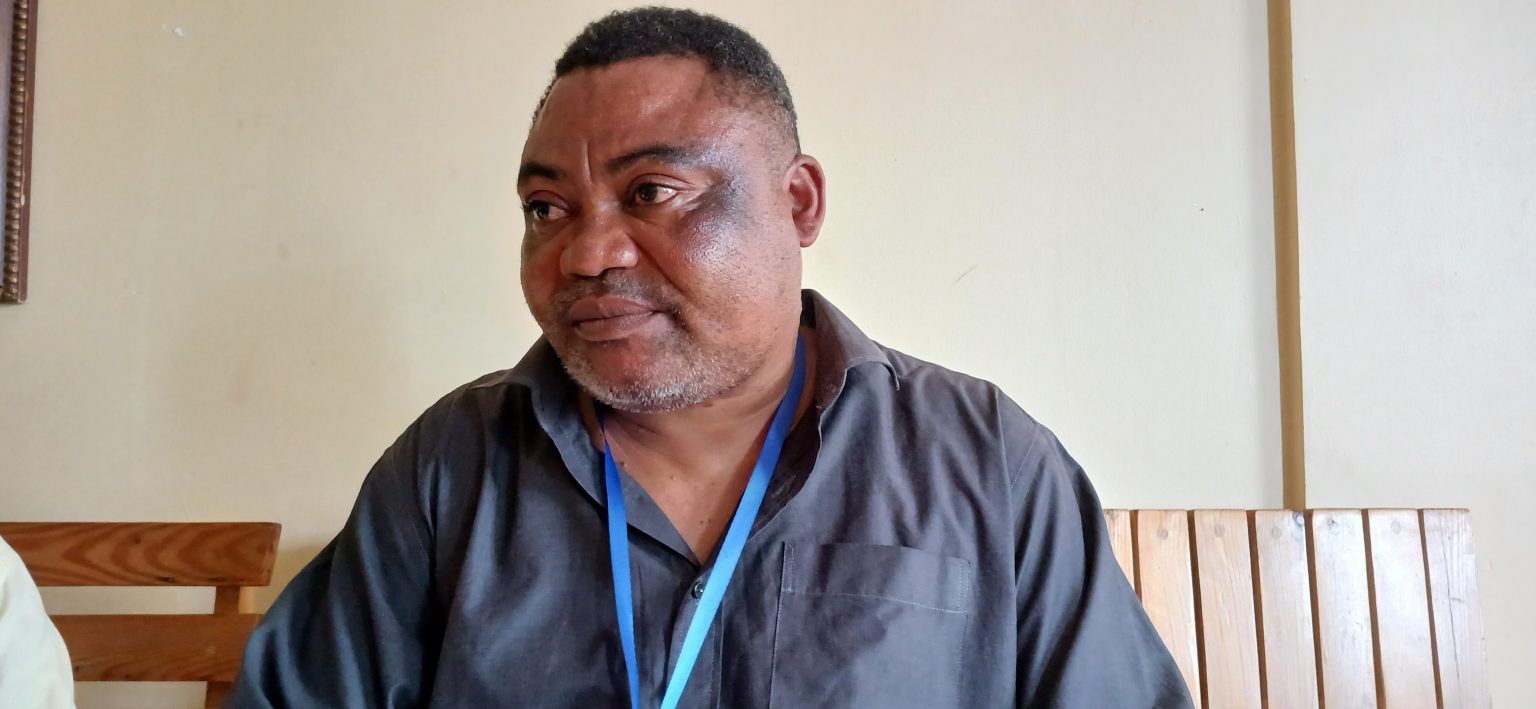
“The UNHCR estimates that providing essential services costs $16 per refugee per month, yet only $5 is currently available. That shortfall puts countless lives at risk,” said Bibe Kalalu, Director of ARSF and a refugee from the DRC, during the Regional Sexual Reproductive Health and Rights (SRHR) Advocacy Training Workshop held August 6–7, 2025, in Kampala.
The workshop, hosted under the theme “Strengthening Partnerships for Inclusive and Equitable SRHR for Vulnerable Refugees and Host Communities,” highlighted the pressing need to improve access to sexual and reproductive health rights for all refugees—regardless of background or identity.
Kalalu detailed the many challenges refugees face: food shortages leading to malnutrition (especially among children), mental health issues, overcrowding, sexual exploitation, lack of education, and growing stigmatization from host communities. “These conditions undermine Uganda’s otherwise commendable open-door policy. It’s not enough to welcome refugees—you have to make sure they’re safe, fed, educated, and treated with dignity,” Kalalu emphasized.
ARSF’s Call to Action
In response to these worsening conditions, ARSF is calling on both the Ugandan government and international donors to step up and provide sustained financial and logistical support. The organization stresses that local initiatives alone are not enough to cope with the scale and complexity of the refugee crisis.
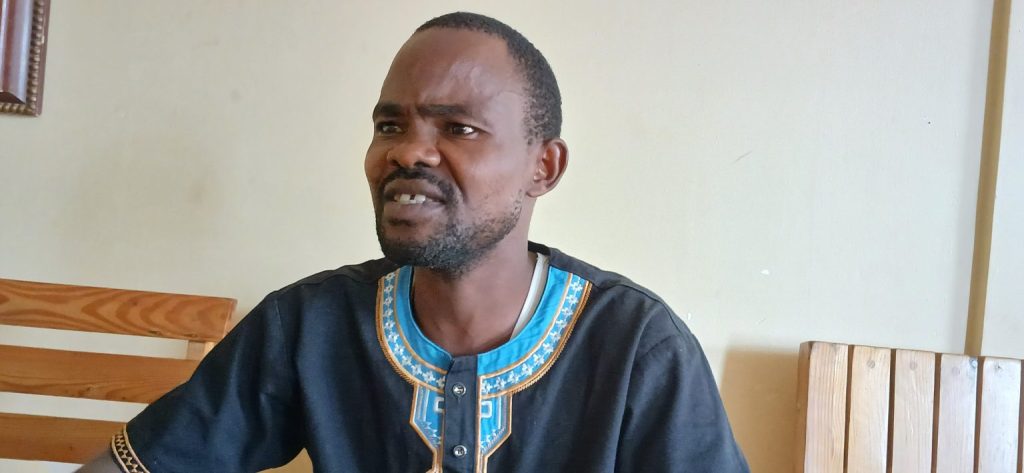
“We are doing all we can, providing medical care, education, youth and child programs, English classes, and advocating for human rights but we cannot do it alone,” said Patrick Akenda, ARSF Programmes Officer. “Support from the government and international community is no longer optional but it’s urgent.”
Akenda also underscored the importance of events like the SRHR workshop, which aim to:
- Empower advocates by building knowledge and advocacy skills,
- Raise awareness of SRHR challenges,
- Foster collaboration among stakeholders,
- And influence policy to ensure inclusive laws that protect refugee rights.
A Call for Inclusion and Dignity
As Uganda continues to shoulder the burden of regional displacement, ARSF’s voice is growing louder, demanding a coordinated response that goes beyond basic survival and focuses on human dignity, safety, and inclusion. Their advocacy is particularly focused on those who are often left out of the conversation.
The foundation urges all stakeholders to act now to prevent further deterioration of refugee welfare and to build a society where every person, regardless of origin or orientation, has the opportunity to live in safety and with respect.

1 comment
We are refugees suffering but people take advantage of us