
By Jumah Kakomo
The Opposition Forum for Democratic Change (FDC) party has voiced concerns over the sluggish pace of justice in Uganda’s civil courts, a situation they say is contributing to poor service delivery across the country. The remarks come after the recent landmark ruling by Uganda’s Supreme Court that declared military trials of civilians unconstitutional. The ruling marks a significant victory for human rights, halting all ongoing military trials of civilians and transferring such cases to the civilian court system.

This decision follows years of controversy regarding the use of military courts to try civilians, often in politically charged cases. Human rights activists hailed the Supreme Court’s move as a major step toward ensuring fair trials in Uganda, aligning the country’s judicial practices with international standards.
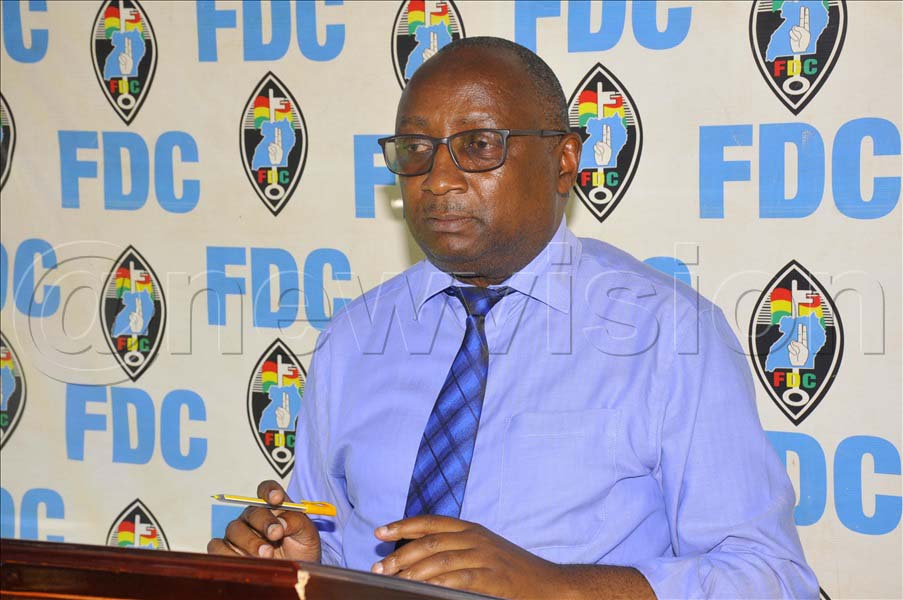
However, the FDC’s spokesperson, John Kikonyogo, pointed out that while the ruling was a significant step forward, it fell short of declaring past convictions under military trials void. As a result, many civilians who have been wrongfully convicted may not see immediate justice. Kikonyogo attributed the delays in justice to several factors, including a shortage of judges, inadequate court facilities, and a heavy backlog of cases.

Kikonyogo further criticized the lack of an independent and functional judicial system, which has contributed to a culture of impunity where those in power can act without consequences. He called on the government to increase the number of judges and improve the country’s judicial infrastructure to help reduce delays in the judicial process.
“The judiciary is struggling to cope with a growing number of cases, and many plaintiffs and defendants have been left in limbo for over 10 to 20 years,” Kikonyogo said. He emphasized that expanding judicial capacity and modernizing infrastructure would allow the courts to handle cases more efficiently, ensuring timely justice for all citizens.
The FDC’s calls come at a time when many Ugandans are looking for greater accountability within the country’s legal system and an end to the delays that have long plagued the delivery of justice.
