
By Kabuye Ronald
Ugandan youth have been urged to embrace peaceful, free, and fair participation in the 2026 general elections and reject violence, with leaders cautioning that while elections are temporary, the consequences of unrest can last for generations.

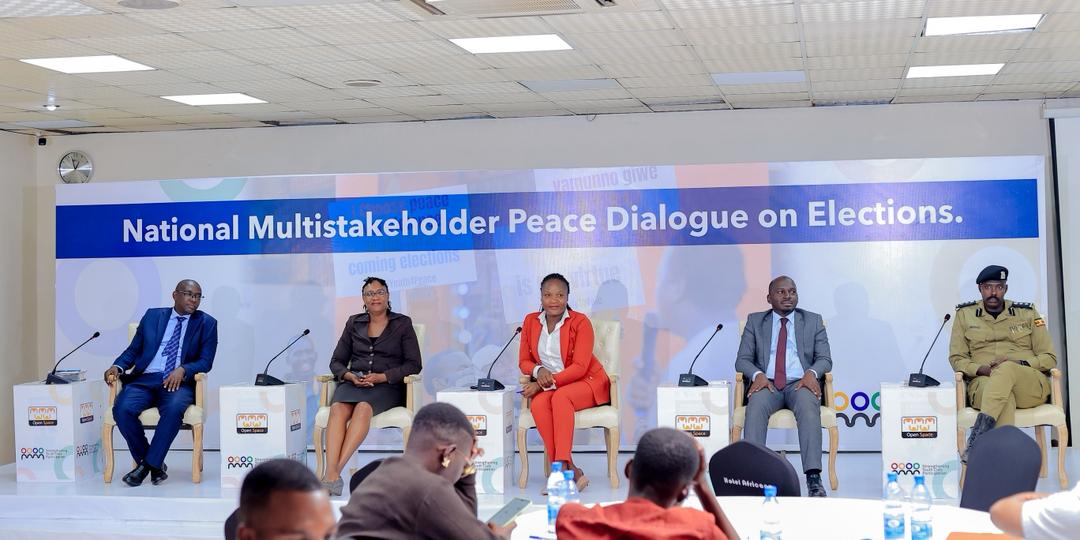
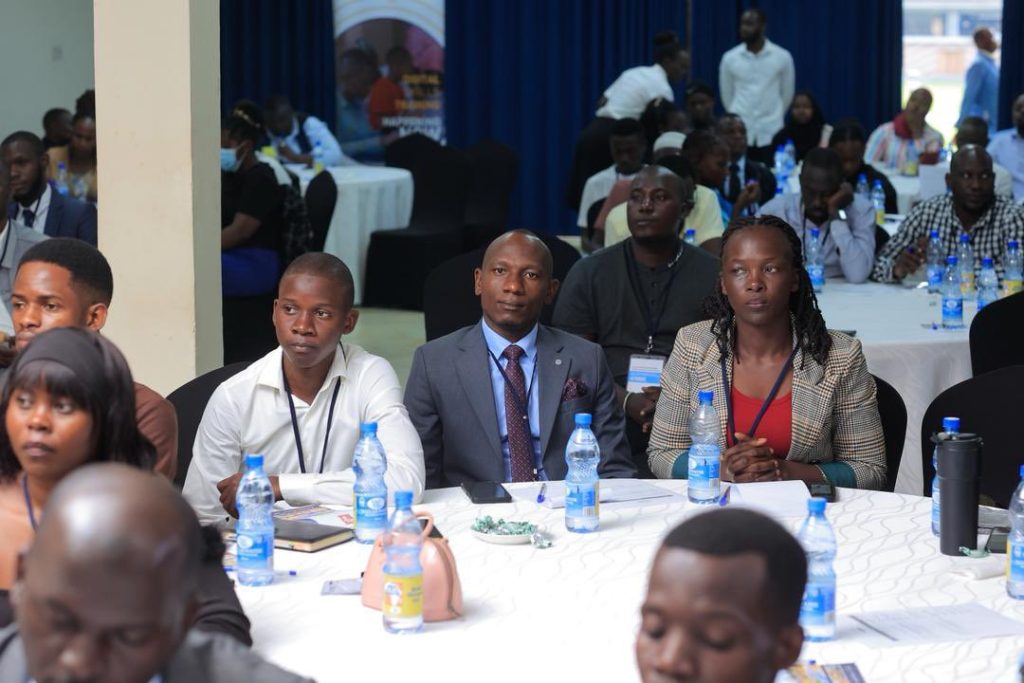
The call was made during the National Multi-Stakeholder Peace Dialogue on Elections, organized by the Open Space Centre under the theme “Youth-Centred Peaceful Democratic Engagement in the 2026 General Elections.”
In his keynote address, Prof. Ahmed Hadji, Chief Executive Officer for Policy and Strategic Studies, challenged young people and the general public to rely on credible and trusted media platforms instead of unregulated digital spaces that deliberately spread misinformation and propaganda especially on social media platforms such as TikTok.
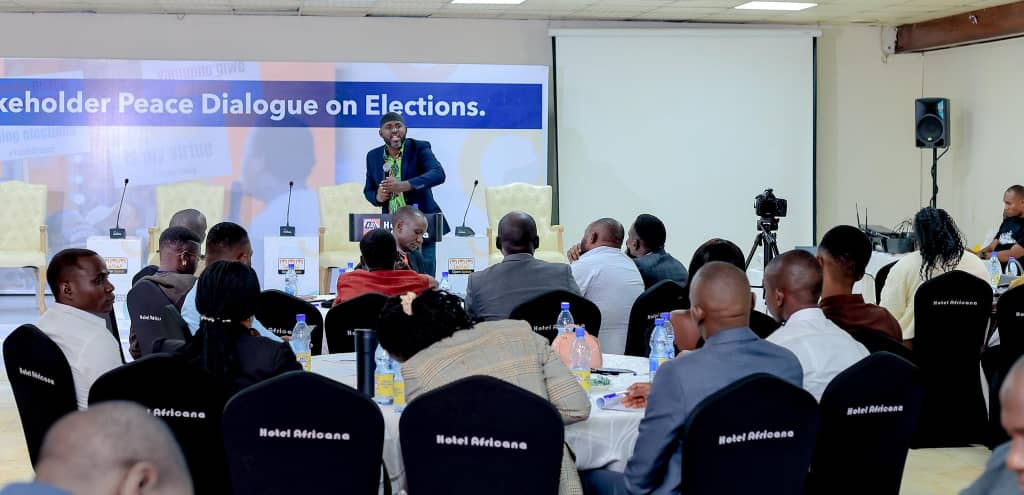
“We have a duty to redirect citizens to credible sources where genuine information is shared and to task institutions to respond faster to falsehoods. Why should press releases come after three days?” Prof. Hadji asked.
“If unregulated digital platforms are not checked, they will lower voter confidence and increase suspicion. We must strengthen early-warning community mechanisms to counter narratives designed to incite violence, like what happened in Tanzania, which set the economy back by nearly 15 years. Young people must be empowered with the right information.”

Prof. Hadji urged citizens to actively engage in protecting the country from acts of violence, stressing that peaceful elections are a shared responsibility. He called for choosing peace over violence, dialogue over division, and empathy over fear, saying Uganda must be kept “in peace, not in pieces.”
Charity Ahimbisibwe from the Electoral Laws Institute faulted the Electoral Commission (EC) for what she described as breaches of electoral laws, particularly the disqualification of candidates based on academic qualifications. She argued that such matters fall under the mandate of the National Council for Higher Education (NCHE) and the Uganda National Examinations Board (UNEB), not the EC.
She further criticized the Commission for inadequate voter education, noting that many voters lack knowledge on how Biometric Voter Verification Machines (BVVMs) operate.
“There are still many unanswered questions, including how the machine distinguishes genuine ballots from fake ones. Voters need assurance that their votes will not be dismissed as invalid,” she said.
Responding to the concerns, Julius Mucunguzi, the Electoral Commission spokesperson, said the BVVMs to be used in the 2026 elections are more advanced, with stronger batteries, and that two machines will be deployed at each polling station.
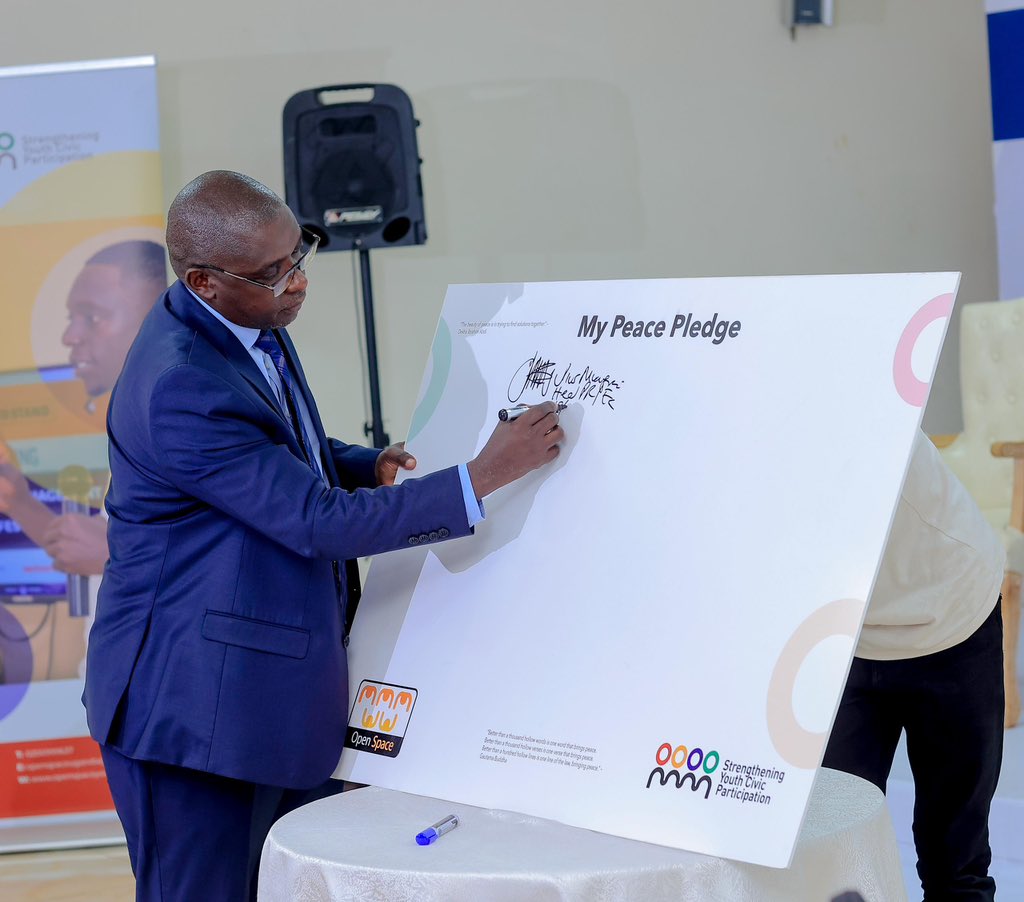
He explained that the machines will verify registered voters at specific polling stations to prevent intruders, curb ballot stuffing, and keep digital records of declaration of results forms.
“Voters are required to first verify their identity through fingerprints or facial recognition before casting their ballot. This process ensures that only genuine registered voters participate,” Mucunguzi said.
On the issue of candidate disqualification, Mucunguzi stated that the EC follows the law, which allows any Ugandan to petition the Commission at any level.
“The Commission reviews petitions, examines evidence, and makes rulings based on electoral laws. Unfortunately, the media often highlights only those disqualified, leaving out the many candidates who are cleared through the same process,” he added.
SSP Donald Muhwezi, Head of Community Policing in the Kampala Metropolitan Area, emphasized the importance of strong partnerships between security agencies and communities. He highlighted the need for timely access to accurate electoral information to combat ignorance, encourage participation, and prevent escalation through the use of nationally accepted crowd-control methods.
Journalist Damalie Mukhaye underscored the role of peace journalism, urging mainstream media to engage audiences creatively and responsibly to promote positive dialogue and societal stability during the election period.
Hajji Kakaire Ashraf, Partnerships Manager at the Open Space Centre, said organizing multi-stakeholder dialogues was essential to bring together youth, civil society, institutions, faith and cultural leaders, and security actors to co-create practical pathways for peaceful and inclusive elections.
“Unresolved grievances and contested party primaries could lead to a repeat of past mistakes. That is why such dialogues are critical to preventing violence,” Hajji Kakaire said.
“There is Uganda after elections. This will not be the last election. As young people, we must prioritize peace over violence and accommodate divergent opinions.”
