
By Jumah Kakomo
The Vitiligo Association of Uganda (VAU) has called on the Government of Uganda to strengthen policies, legal protections, and healthcare services to improve the lives of people living with vitiligo.

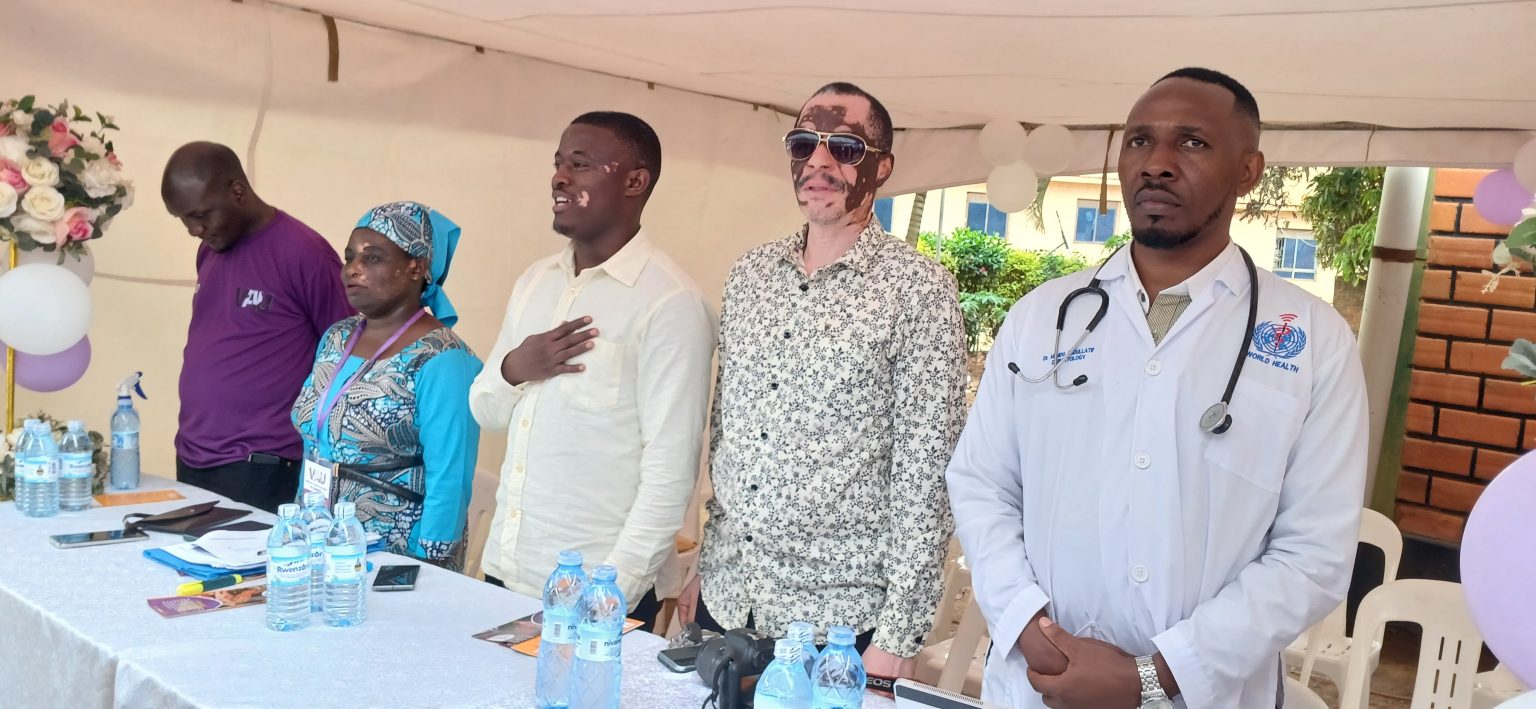
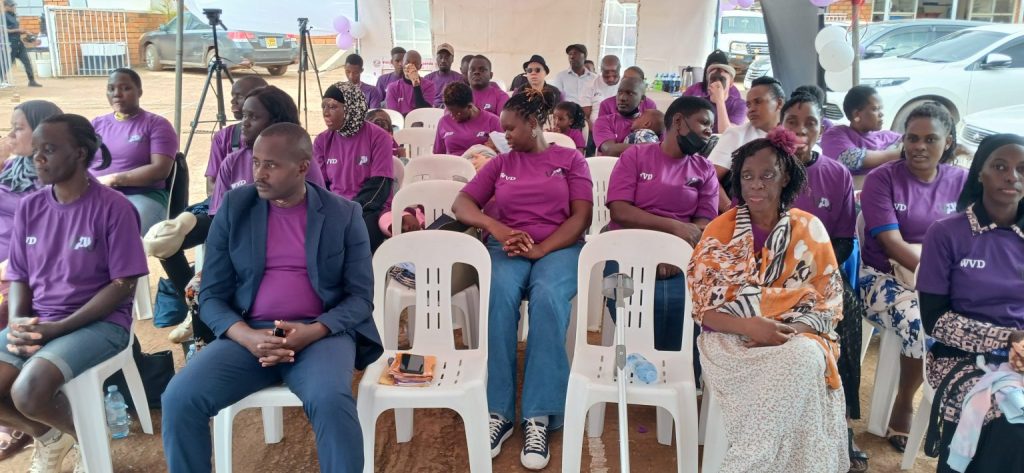
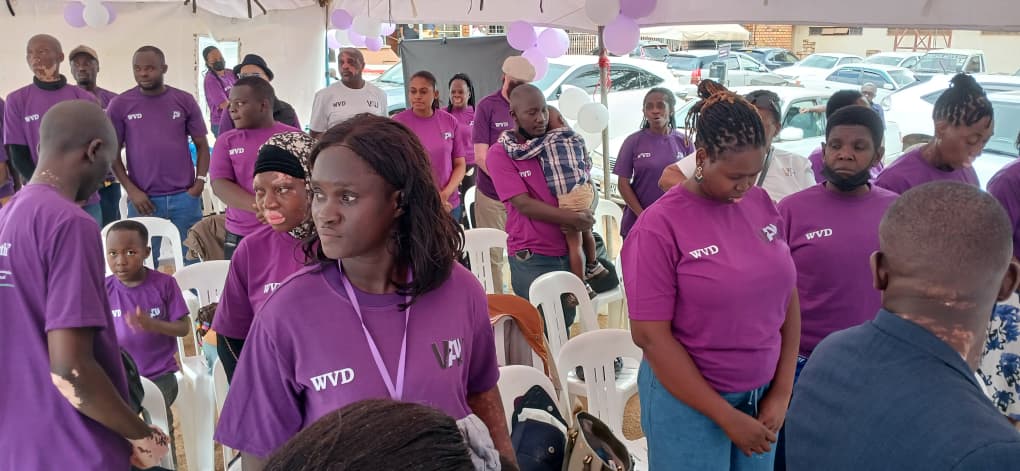
The appeal was made on Saturday during the 2026 World Vitiligo Day celebrations held at Old Kampala Hospital. World Vitiligo Day is observed annually on June 26th to raise awareness about the skin condition and promote acceptance and inclusion of those affected.
Speaking at the event, VAU Chief Mobiliser Mukatushabira Peninah said many people living with vitiligo continue to experience stigma, discrimination, and social exclusion due to widespread misconceptions about the condition.
“People living with vitiligo deserve equal access to healthcare, protection from discrimination, and greater recognition within Uganda’s health system,” Peninah said.
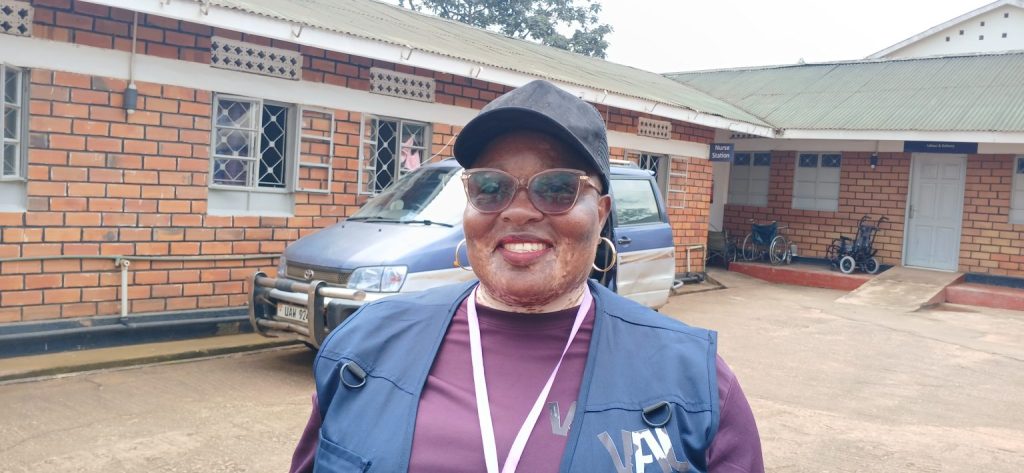
She said the association is advocating for government policies that incorporate vitiligo into national healthcare planning while increasing public education to combat stigma and misinformation.
Vitiligo is a chronic autoimmune condition in which the body’s immune system attacks melanocytes—the cells responsible for producing melanin, the pigment that gives skin, hair, and eyes their natural colour. The destruction of these cells results in white patches on the skin and can also affect hair, the inside of the mouth, and the eyes.
Addressing participants, dermatologist Dr. Mundu Allan Abdull Latif of FUBAMA Skin Health Africa said the exact cause of vitiligo remains unclear but is believed to result from a combination of autoimmune, genetic, and environmental factors.
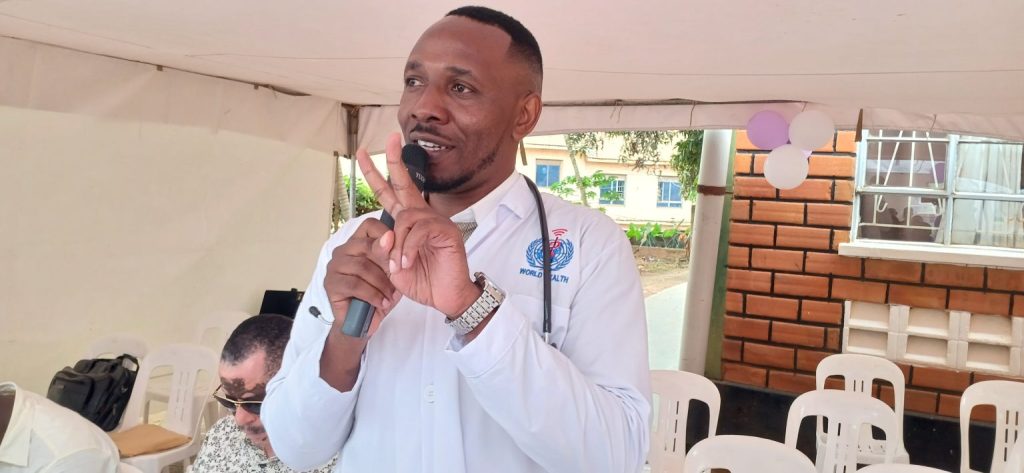
“There is currently no cure for vitiligo because it is a chronic autoimmune condition. However, it is highly treatable,” Dr. Mundu said.
“Several medical therapies can successfully stop the progression of the disease and restore significant skin pigmentation. Although complete and permanent repigmentation cannot be guaranteed, many patients achieve excellent outcomes, particularly when treatment begins early.”
He emphasized that vitiligo is neither contagious nor infectious and cannot be transmitted through physical contact.
According to Dr. Mundu, the condition affects approximately one percent of the global population and commonly develops before the age of 40.
He explained that the most common symptom is the appearance of white or lighter patches on the skin, particularly on sun-exposed areas such as the face, hands, feet, and lips, as well as body folds including the armpits and groin. Vitiligo may also cause premature greying of hair and whitening of the eyebrows and eyelashes. In many cases, the patches appear symmetrically on both sides of the body.
Founded in 2015, the Vitiligo Association of Uganda is a national advocacy organisation dedicated to improving the lives of people living with vitiligo. The association works to promote public awareness, fight stigma and discrimination, provide psychosocial support to affected individuals and their families, and advocate for the integration of vitiligo care into Uganda’s public health system.
Dr. Mundu, who graduated with a Bachelor of Medicine and Bachelor of Surgery from Gulu University in 2009, later obtained a Diploma in Dermatology and Venereology from the Regional Dermatology Training Centre in Moshi, Tanzania, in 2015. He has served in both public and private health facilities and was recognised in 2022 as the best-performing dermatologist in the Skin and STD Department at Mulago National Referral Hospital.
Currently, he serves as a founding director and dermatologist at FUBAMA Skin Health Africa, where he leads continuing medical education programmes in dermatology and oversees research and data collection through dermatology outreach camps in underserved communities across Africa.
His research focuses on autoimmune skin diseases and cosmetic allergy conditions affecting Black skin. He has also participated in numerous radio and television health programmes to raise awareness about skin diseases and is leading efforts to establish a specialised dermatology laboratory to improve diagnostic services across Africa.
