
Uganda has begun the transition from the Tax Identification Number (TIN) system to the National Identification Number (NIN) as the primary identifier for taxpayers, in a move aimed at improving tax administration, curbing tax evasion and increasing domestic revenue collection.

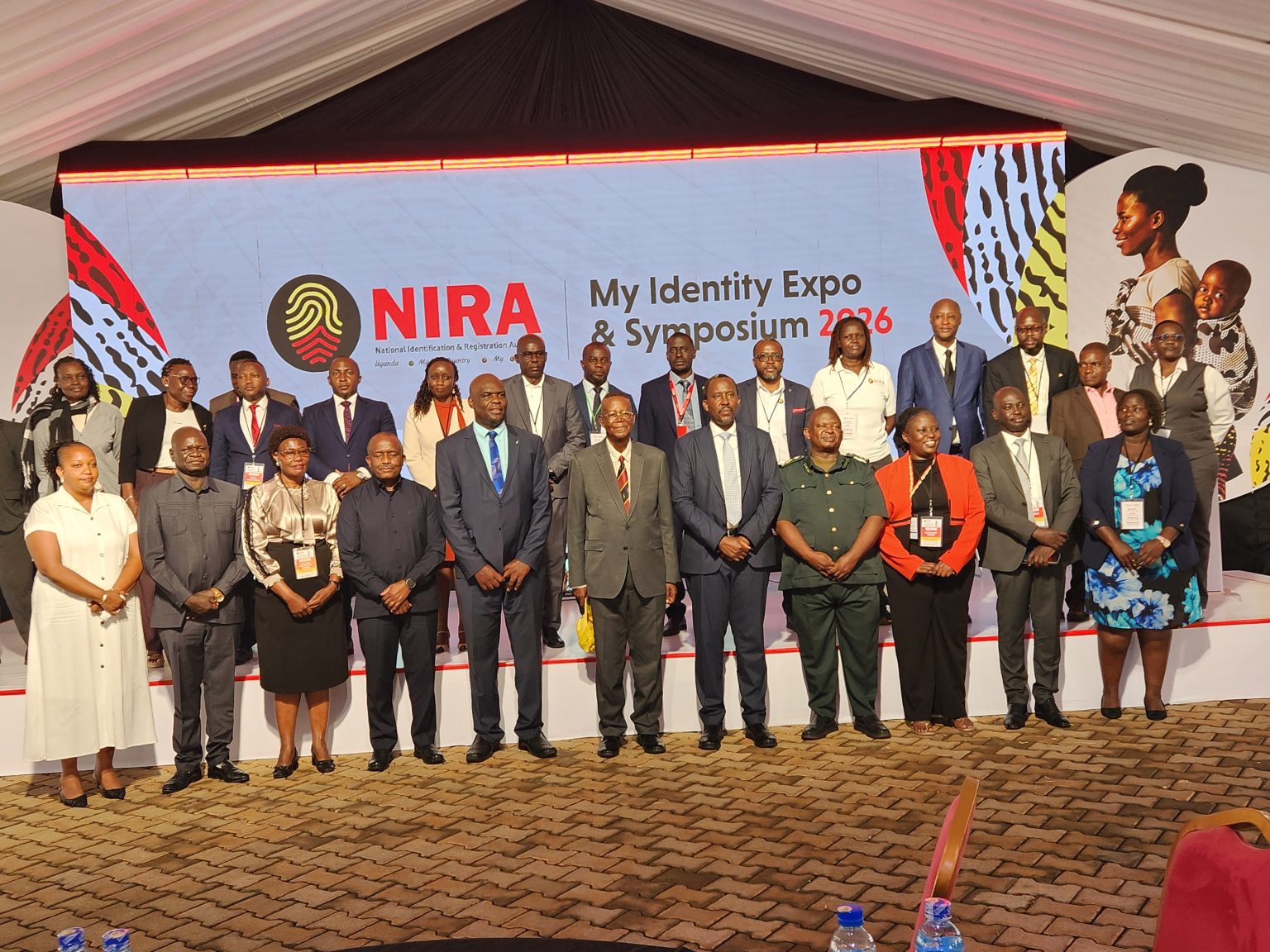
The transition was launched on Tuesday by Internal Affairs Minister Ephraim Kamuntu at the My Identity Expo and Symposium 2026, organised by the National Identification and Registration Authority (NIRA) at Kololo Independence Grounds in Kampala.
Uganda Revenue Authority (URA) Commissioner General John Musinguzi said linking taxation to the national identification system would help address the duplication of TINs, identity theft and tax evasion.
Musinguzi said some individuals have been able to obtain multiple TINs, making it difficult for the tax authority to establish their true identities and effectively track their tax obligations.
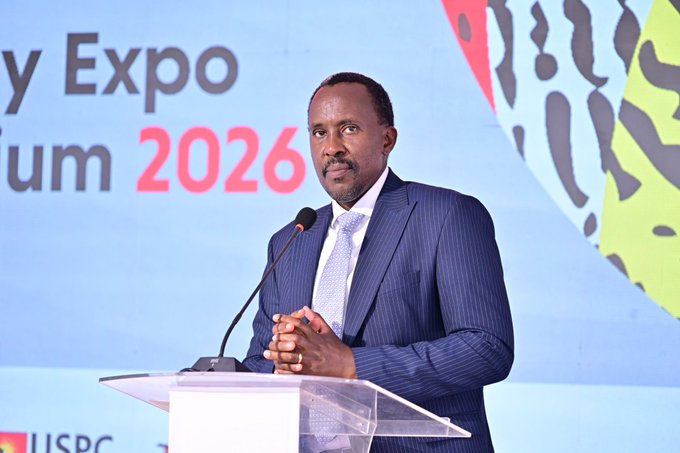
“As Uganda Revenue Authority, we’re extremely happy about the directive of government to work with NIRA, so that we can replace TIN with NIN,” Musinguzi said.
“There is no nation that can effectively serve the citizens. There is no government that can effectively serve the citizens without proper registration, without proper identification, and this is what the NIN gives to government: registration and identification of the citizens.”
He said the current TIN system has presented challenges because one person can hold several TINs.

“What have we been facing as a challenge, as Uganda Revenue Authority? Although we issue TINs, the tax identification numbers, it has been possible for one individual to hold 10 TINs, making it possible for you to dodge taxes in one TIN, close it and open another one,” he said.
Musinguzi added that the system has also exposed taxpayers to identity theft, where individuals gain access to another person’s TIN and tax profile.
“However, a very accurate register like the one of national identification under NIRA, that is backed up by biometric technology, the fingerprint, which is not easy to duplicate, will secure and ensure that it’s one taxpayer registered against one company or against several companies, but he can be positively identified consistently as the same taxpayer,” he said.
The URA Commissioner General said the transition forms part of the authority’s strategy to increase domestic revenue mobilisation, with Uganda targeting an increase in its tax-to-GDP ratio from the current 14 per cent to at least 20 per cent within the next three years.

“It is now one of the highlights of the improvement in our revenue mobilisation strategy, because we have made a pledge to His Excellency the President and to our Minister of Finance and the entire country that within the next three years, Uganda must improve its tax to GDP from the current 14 to at least 20,” Musinguzi said.
He said improved identification would also enable government to deliver public services more effectively.
Kamuntu said accurate identification is critical to government planning, resource allocation, financial inclusion and the delivery of social programmes.
“Accurate identification of citizens is critical to government planning, resource allocation, financial inclusion and the delivery of social programmes,” Kamuntu said.
“Identification is at the heart of security of this country. It is also at the heart of the government’s socioeconomic transformation agenda.”
He added that legal identity enables citizens to access services and opportunities, including banking, education, healthcare, driving licences, passports and government programmes.
“By providing individuals with legal identity, you provide proof of nationality. You cannot be identified as a Ugandan unless you are registered,” he said.
Businesses to be registered using biometrics
As part of the wider collaboration between NIRA and URA, the tax authority is also expected to undertake nationwide registration of businesses using applicants’ biometric information.
The use of fingerprints is intended to strengthen verification and ensure that individuals and businesses can be consistently linked to their rightful owners.
Uganda to start printing passports, IDs and ballots
The identity expo also highlighted Uganda’s plans to increase local production of sensitive security documents.
Uganda Security Printing Company (USPC) Projects Implementation Manager Abdul Nsubuga said the country is establishing a security printing facility in Entebbe that will eventually produce national identity cards, passports, ballot papers and other sensitive documents.
“The Government of Uganda took a strategic decision to ensure that all the documents which are of security nature are produced under one roof and that is USPC,” Nsubuga said.
He said USPC has already supplied more than 24 million blank national ID cards and more than 500,000 blank passport booklets to the Ministry of Internal Affairs.
Nsubuga said the Entebbe factory has completed its civil works and the company has started installing specialised equipment.
“As we speak now, the factory has been completed in the civil works, the infrastructure is up, and we have embarked on the process of procuring the state-of-the-art equipment, which is going to be used to produce these documents,” he said.
He said Uganda expects to start printing the sensitive documents locally within about one and a half years, with production of national IDs, passports and ballot papers expected to follow.
“What we are doing at USPC is that we are building capacity to ensure that all the work which is being done today from outside is done by Ugandans in Uganda,” Nsubuga said.
“So that’s also another way of keeping our sovereignty in check, whereby you don’t need to go and print our sensitive documents outside the country. You must do it here in Uganda.”
Nsubuga said local production could also reduce costs and create employment opportunities for Ugandans.
“By far the costs will go down, because if we do the production in Uganda, one, we should be cutting out other suppliers or other layers or costs,” he said.
He added that the Entebbe facility would have the capacity to serve markets beyond Uganda.
“Ugandan market is not enough for us to run that factory. So it’s upon us and our management board to ensure that we get business outside Uganda,” Nsubuga said.
He described the facility as one of the largest of its kind in Africa and said it could eventually produce security documents for other countries.
The three-day My Identity Expo and Symposium 2026 brings together government institutions, private-sector players and other stakeholders to showcase identification-related services and examine the role of identity in Uganda’s development.
