
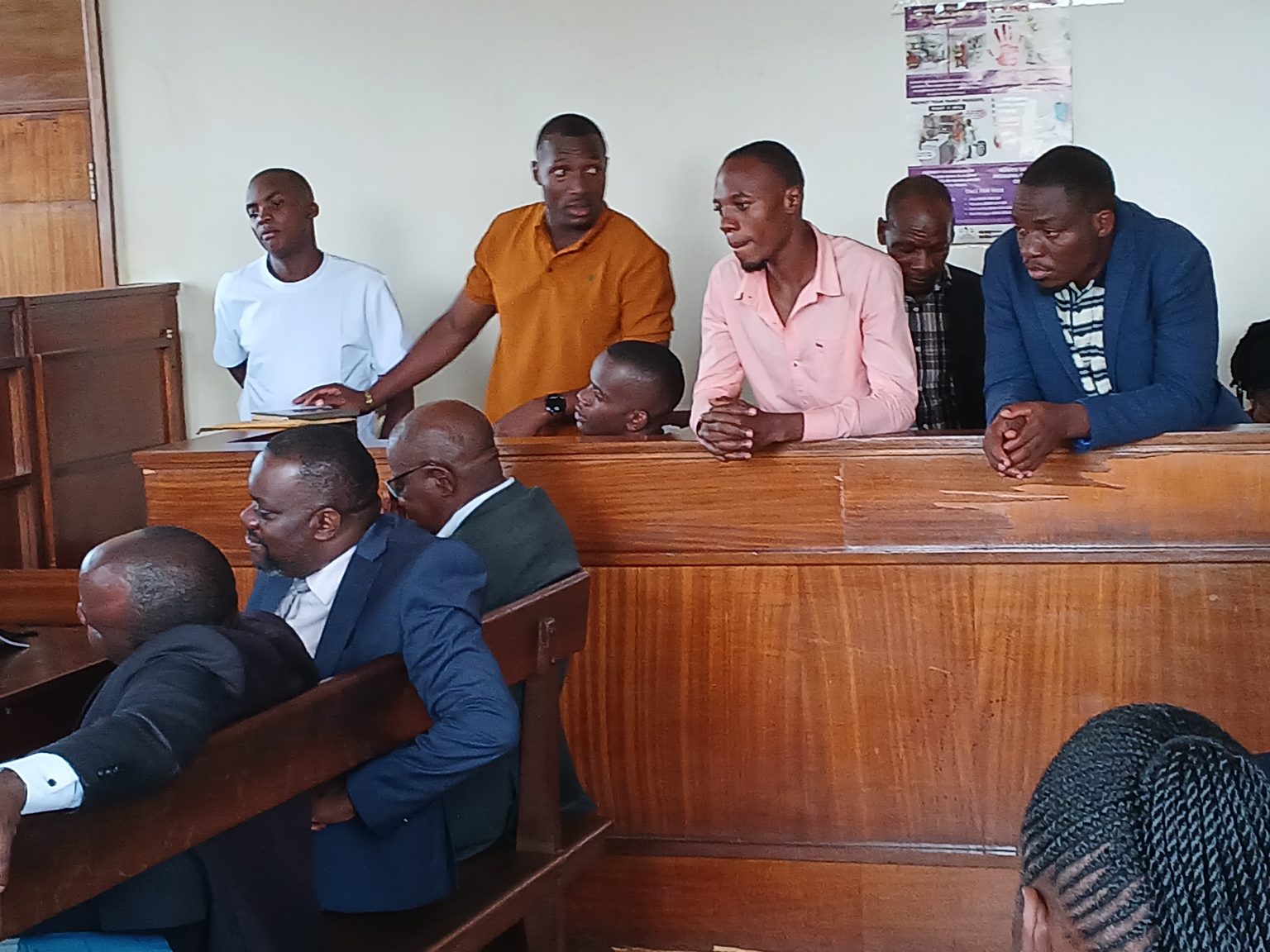
The Chief Magistrate’s Court at Nateete-Rubaga has rejected an attempt by the nine youths accused in the Pastor Robert Kayanja defamation case to introduce a Uganda Broadcasting Corporation (UBC) language transcriber as their final witness, ruling that the move would unfairly take the prosecution by surprise.
Principal Magistrate Adams Byarugaba said the defence had already disclosed translations and transcriptions of audio and video recordings prepared by Makerere University and had indicated that it would call a witness from the institution to explain and tender them in court.

He said allowing a different witness from UBC, together with new translations and transcriptions, at such an advanced stage of the trial could prejudice the prosecution, which had prepared its case based on the evidence previously disclosed by the defence.
The court, citing Soon Yeon Kong Kim and Another verses Attorney General, Constitutional Reference No. 6 of 2007, held that fair disclosure and pre-trial discovery are essential to truth-seeking, preventing fabricated or surprise evidence, and ensuring a fair hearing.
“The defence never sought leave of court to call this witness from UBC. No reason was given to court why they abandoned the disclosed information already given to state, they are saying the content is the same, why then ran to UBC, could it be to get a favorable person or establish a relationship with experts who are supposed to be professional and should speak to the work done,” Mr Byarugaba held.

Adding..” When they encountered difficult with Makerere University, they should have brought it to the attention of court and seek leave to look for an alternative as they did when to it came to the issue of a forensic expert to analyses an electronic gadget/phone.”
The court noted that the defence disclosed its evidence, including the Makerere University transcription and translation witness, obtained summons for the witness, and indicated that he would be its final witness after the tenth defence witness’s re-examination on October 1, 2026.
“This court finds that though there is no statutory law barring an Accused to present any witness at any stage of the trial, but case law has guided that ambush, and surprise attacks and a need to fill gaps not disclosed to the other party, fairness to both sides requires openness and fair disclosure beforehand,” the magistrate held.
He added that examination and cross-examination of witnesses must be viewed holistically because evidence from one witness can affect the manner in which another witness is questioned.
The magistrate, however, allowed the defence to proceed with a witness from Makerere University’s School of Languages to tender the translations and transcriptions that had already been disclosed to the State thus rejecting its prayer to introduce a new witness from UBC.
He observed that both Makerere University and UBC are government institutions and that the issue of personal connection with an expert could not justify introducing undisclosed evidence.

The ruling arose after defence lawyers, following the testimony of their 10th defence witness, sought permission to call a UBC language transcriber instead of the Makerere University expert they had earlier disclosed.
Defence lawyer Bernard Mugenyi told court that they had opted for the UBC expert after encountering difficulties establishing the chain through which the defence became involved in the translation and transcription of the recordings.
He said the audio and video recordings were already part of the court record after being presented through a forensic expert, but the defence had not originally requested their translation and transcription.
Mugenyi said the defence subsequently approached UBC to have the recordings translated and transcribed, arguing that the prosecution would not suffer prejudice if the new documents were served on it and sufficient time given to study them.
The prosecution led by the Chief State Attorney Jonathan Muwaganya opposed the application, saying the defence had already disclosed translations and transcriptions prepared by Makerere University and had informed the State that it would call a witness from the institution.
Our preparation for cross-examination of the 10 defence witnesses had been based on the evidence disclosed by the accused, including the Makerere translations.
It further questioned why the defence had abandoned the Makerere witness without showing that the expert could not be found or compelled to attend court.
“For this court to be moved, after 10 (Ten) defence witnesses have 30 testified, to introduce a new person on completely new piece of evidence at the advanced state of trial, would be upsetting that right of fair hearing which the Constitution seeks to guarantee.” Mr Muwaganya submitted.
The hearing of the case resumes this Wednesday, 07, October, 2026
