
By Kabuye Ronald
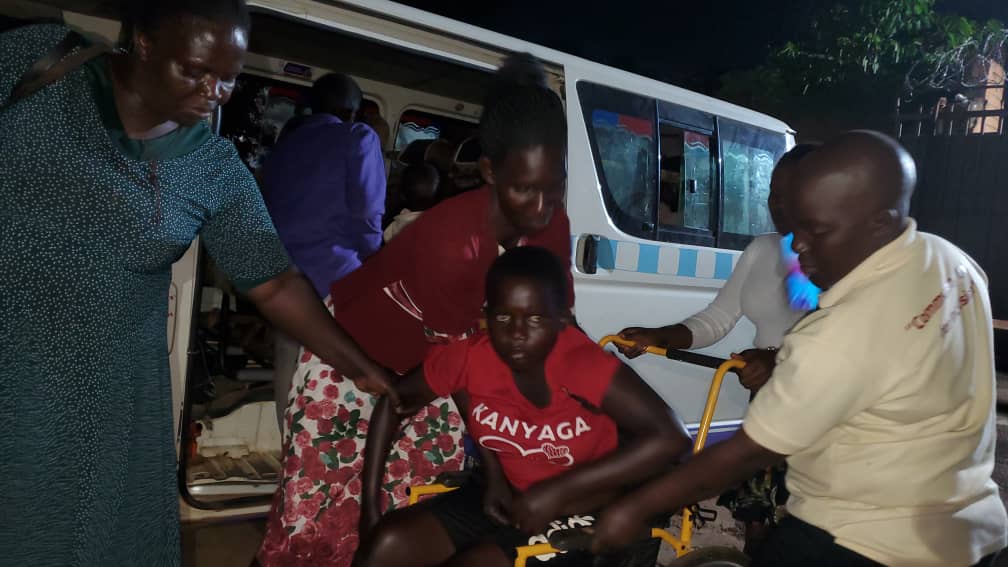
With her big dream of becoming a lawyer, Jovia Lanyero is among the group of nine children with hydrocephalus that traveled from Northern Uganda in the remote villages of Apac, Gulu Kwania and Lira districts to Kampala at Corsu hospital for assessment and acquisition of the assistive devices of modified wheel chairs.
These children with their parents and caretaker had to endure a painful and tiresome long distance of 12 hours’ drive so that they can make their lives a bit easier after acquiring the assistive devices of a wheel chair.

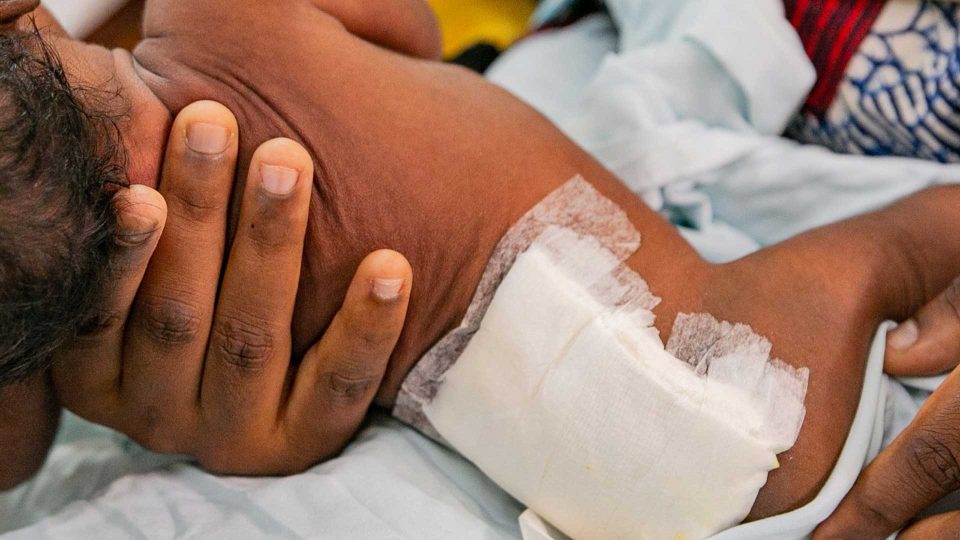
Hydrocephalus is the buildup of fluid in the cavities (ventricles) deep within the brain. The excess fluid increases the size of the ventricles and puts pressure on the brain. While Spina bifida is a birth defect in which an area of the spinal column doesn’t form properly, leaving a section of the spinal cord and spinal nerves exposed through an opening in the back.
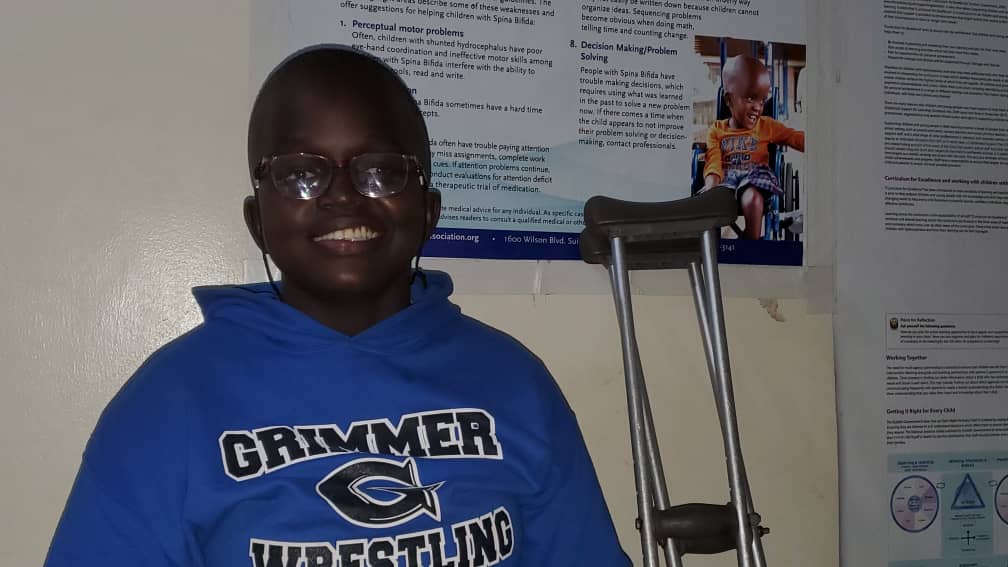
Jovia Lanyero a 16 year old student of Over Champion Jesuit College Gulu in boarding section from Awich village which is 8km away from school, with the dream of becoming a lawyer to advocate for the rights of children with disabilities and also build for them a home, said that after getting the wheel chair with the help of Spina bifida and Hydrocephalus association of Uganda SHAU and Corsu hospital in Entebbe, her movement to school, bathroom, church and others places has been made easier since she has been crawling on ground especially to bathe while other times she has been using the walking crutches for movement which is uncomfortable for her and thus the wheelchair and tender hearts of the donors and SHAU is such a motivating factor for her to pursue her dreams and turn them into a reality.
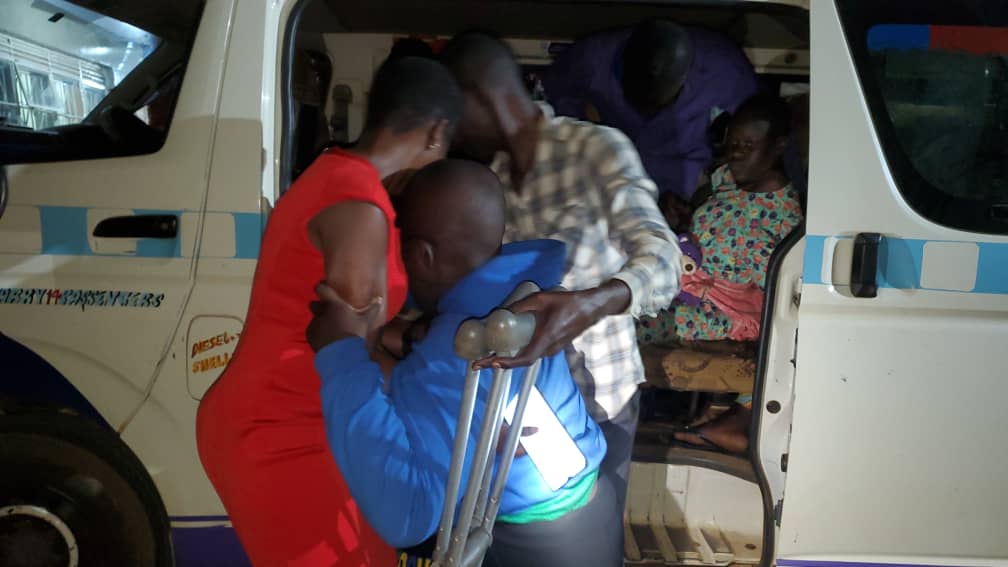
The painful story of the group from northern Uganda is not any different from the children with Spina bifida and Hydrocephalus, their parents or caretaker who have had to travel longer distance to access the medical health care and the assistive mobility devices.
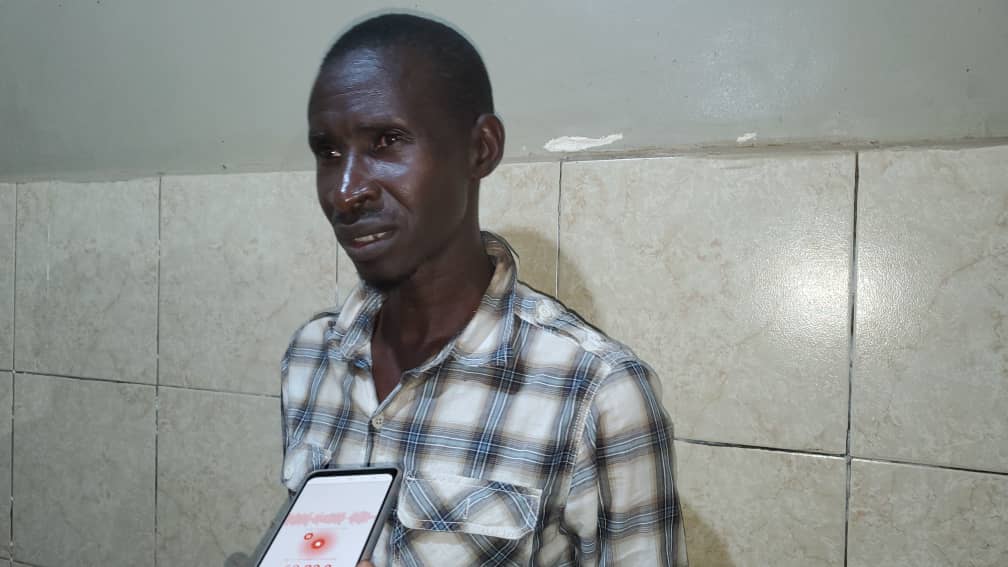
A visibly exhausted Nyeko Robert Bob, the Matato (Taxi) driver from Lira District who was hired to driver the children from northern Uganda to Kampala said it only takes a person with a kind heart to handle the children with Hydrocephalus since they need extra care and attention.
“We started our journey at about 7am picking the children from different districts in town centres however, if we were to pick them from their villages it was going to be even more difficult. We started with Lira, Kwania, Apac and Gulu districts respectively but the road from Apac was so bad and at some point the vehicle got stack and we had to source for extra man power to continue with the journey. We reached when the vehicle was so dusty and ourselves, also full of urine but as a person who has a parental and kind heart, I had to carry them myself because some of those old maamas (mothers) don’t have energy and as I talk even now I still smile urine the same with the vehicle since these children don’t have brakes (can’t hold the urine for long) but you have to help them, talk to them and smile with them.” Said Nyeko Robert
Harriet Ayugi Raps from Apac district, a teacher by profession and a mother of a 13 year old handicapped child with Hydrocephalus emotionally narrated how it took her over three months to diagnose and operate her child in CURE hospital Mbale after visiting several government and private hospitals in the northern region of Uganda before being referred to Mulago National referral hospital where she was finally referred to CURE hospital though it was already late to save the child from being handicapped to the effect that she cannot do anything by herself which has also derived him off the right to education.
“Because of the problem of not getting early intervention it has made her unable to attend school simply because the Apac community where I come from people didn’t know about it including myself. And the medical people could not diagnosis the condition of Hydrocephalus or give me a proper guidance so that I have early intervention into the condition of my child and as a result she was worked upon late at Cure hospital after three months which left her weak, unable to move or do anything for herself the state she is still in to the effect that she is unable to go to school. She only moves by being carried because the assistive mobility devices like wheelchairs are so expensive and are inaccessible in the entire region to the effect that we have to get them from Kampala. Worse still even the government hospitals don’t have them or any medical professional that can diagnose and handle the rare conditions neither do the upcountry hospitals have Psychotherapist. “ said Harriet
Harriet revealed that the situation has only been saved by the Spina Bifida and Hydrocephalus Association of Uganda SHAU that brings together the parents with the two conditions. SHAU has taught them about the condition, how to handle and care for the children and has help them in getting the medical assistance required and the mobility assistive device among others.
The mother and daughter were part of the group that had to travel from Apac to have their children assessed and given the befitting modernized assistive devices as coordinated by SHAU.

When asked about how they manage to take care of the children, Harriet said that it’s so tiresome and hard a task.
“In Northern Uganda we don’t have access to modernized assistive devices and if it wasn’t for SHAU to help us get these opportunities to get the required devices we would carry our children on the wheel barrows. It is so difficult to take care of them, you have to carry them to put them on a chair but most of the time they are lying on the ground since they are so heavy to carry and move with them or take them to the community for certain things, and as a result they are always left at home.” Said Harriet
Harriet who is also the coordinator of parents in Northern Region told us that there few children with Hydrocephalus that are able to attend schools but even then many schools don’t have the conducive environment that favor them like scot pant toilets and a special place they can bathe from thus appealing to government to make it mandatory for schools to have such places for children with disabilities since the nature of their conditions makes it so hard for them to use the normal facilities in the schools.

She also revealed that in the northern region they have success stories of their two children one of a girl who completed her studies and now she is a teacher while another is a boy who passed senior four with flying colors and he joined technical school.
“The education success is possible by understanding you child’s situation, by knowing her/ his limitation and planning accordingly. But this also depends on your financial capacity since these children are generally very expensive to maintain. Even if you have a bright child, if you are poor you can’t educate or support him or her. For instance, in the team I came with, there is a bright child but his father only carried him to school in baby and top classes and gave up because the boy had become too heavy for him to carry thus giving up but now that he has got his assistive mobility device we urge the father to take him back to school.” Said Harriet

She further revealed that over 60% of the community have a lot of myth and negative perception about children with Hydrocephalus. They feel the condition cannot get cured and children can’t turn into responsible persons in the country which is untrue.
Kawuma Fortunate Benjamin who has survived with the condition of Hydrocephalus for 27 year, And was also given new modern walking crutches urged all people with disabilities to treat the assistive devices as part of their body because it what helps them in their daily lives.
“The assistive devices like Wheel chairs, Walking crutches and prone boards help us mostly for movement and to accomplish certain tasks but very few people can afford them because they are so expensive and not easily accessed. And so if we get the opportunity to get them for free or at a subsidized fee, we must take good care of them and treat them as part of our body and lives and not accept to be played around with or used to do work that is not made for them.” Said Kawuma
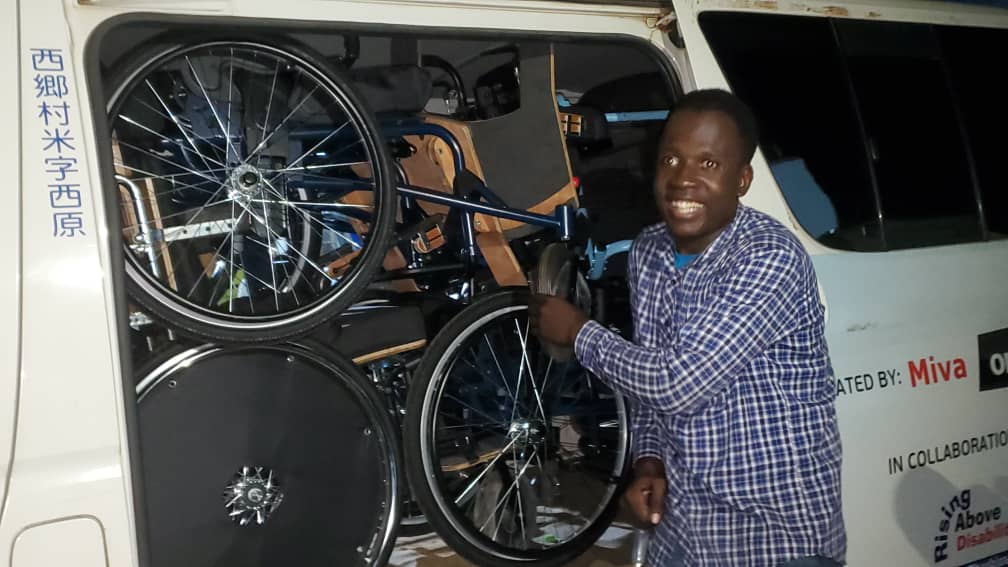
Hon. Mpindi Bumali, the Member of Parliament representing persons with disabilities who applauded SHAU for always endeavoring to better the lives of people with the conditions of Hydrocephalus and Spina Bifida said that mobility appliances are very crucial for persons with disabilities since they help them to move to the relevant places.
Bumali urged government to revamp the rehabilitation centers so that they can manufacture artificial hands and legs, modern crutches and wheel chairs among others at an affordable subsidized fee or give them out at zero fee.

“The mobility devices are so expensive for instance a wheel chair costs over UGX 800,000, an artificial leg costs over UGX five million, so I urge government to invent the manufacturing of the modern mobility assistive device as it was the case before and also to know that it’s their responsibility to do so” said Hon. Bumali
He also added that even the medication for people with Spina Bifida and Hydrocephalus condition are too expensive and shockingly their medicine is not on the list of those given for free in government facilities. He thus pledged that he will push in parliament to have their medicine listed among those given out in public hospital at no cost effective next financial year.
The Chief Executive officer of National Union of Disabled persons of Uganda (NUDIPU) Esther Kyoziira , called for increased and improved service delivery especially treatment for children with Spina Bifida and Hydrocephalus at a much subsidized fee or at zero cost especially when it comes to surgery at Cure hospital.

“So many children with Spina Bifida and Hydrocephalus die in their locality due to lack of funds to get proper medication or surgery. In addition, their medication can only be got from Mulago National Referral hospital and Cure hospital in Mbale and so we appeal to government to make available the medication and surgery of the children with such conditions at National, regional and health Centre IV hospitals” said Kyoziira.
She said they are working with SHAU to carry out sensitization on the condition because it can be prevented especially if pregnant women take the medicine given to them during antenatal visits.
Ruth Nalugya, the National coordinator for Spina bifida and Hydrocephalus Association of Uganda (SHAU) said that despite government scrapping off taxes on imported mobility devices for persons with disabilities, very few persons know about it or can import them for themselves since they don’t have the means and yet those on the market in the country are too expensive due to the high taxes levied since they import them as a business trade.
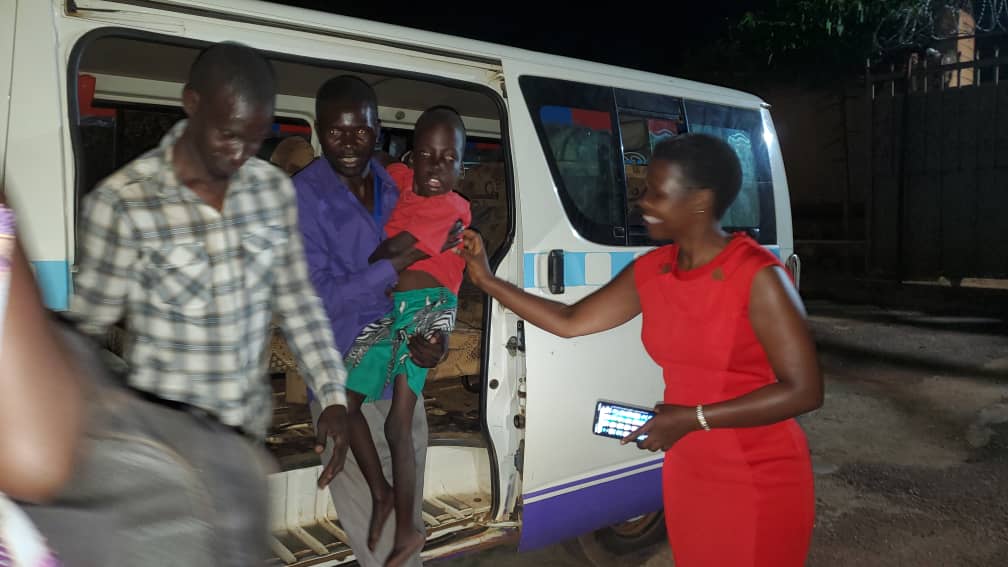
Nalugya urged government to support local manufacturers of the assistive orthopedic mobility devices like Katalemwa Cheshire Home.
“Katalemwa Cheshire Home manufactures wheel chairs and other assistive orthopedic mobility devices for children. The materials they use are imported but they are highly taxed. They import aluminum and other like materials but government taxes them as those that import building materials. We are appealing to government to identify such entities, license them differently and also scrap off taxes for their imported material for the same purpose so that the mobility devices are sold at much cheaper prices.” Said Nalugya.
Nalugya also cited out the problem of accessing public means of transport for the persons with disabilities.
“I may have my wheel chair but it requires me to be first lifted into a seat in the public means of transport, the same applies to my wheel chair and so they charged double that’s for myself and the wheel chair or even at times refuse to transport me. That aside even the roads don’t favor people using the wheel chairs because they compete with motorcycle riders (Boda bodas) and vehicles who don’t value and respect those using wheel chairs and walking crutches on the road. And so people with disabilities find a lot of challenges in accessing public transport yet they also have a right to use them.” Said Nalugya.
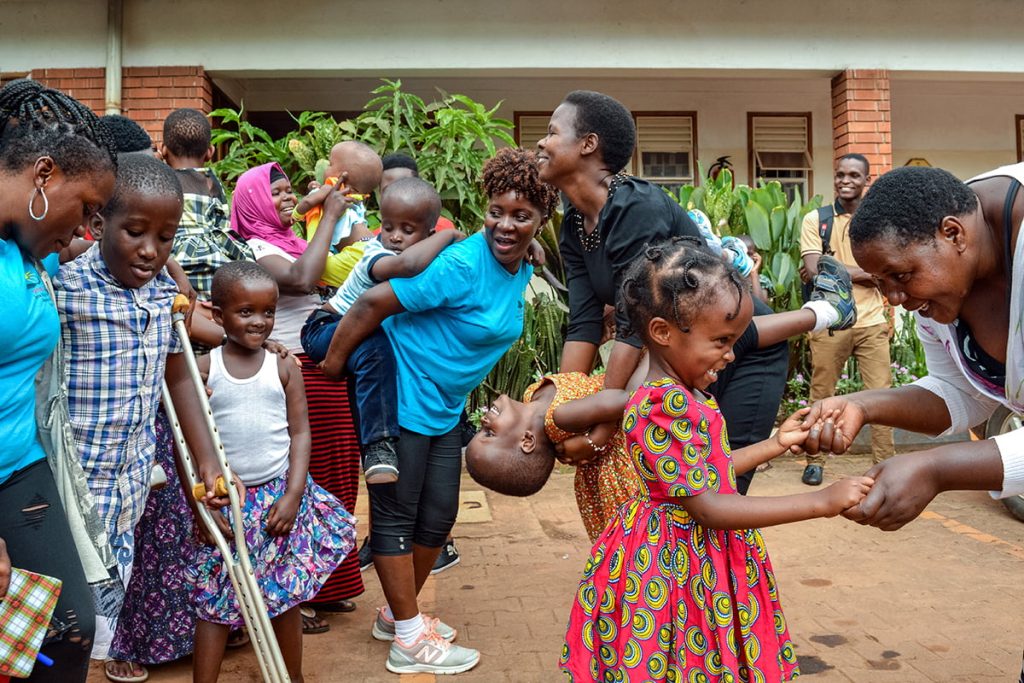
Nalugya also emphasized that there is a lot of violation of the right for information for people with disability especially in getting services since some can’t talk or ably communicate. She asserted that most of the entities especially hospitals and public offices don’t have interpreters for sign languages and for the expectant women the health workers don’t give explanations for the medicine they give them like folic acid which helps in preventing Spina bifida or give out a blue print for such conditions.
Nalugya also decried of the few number of surgeon who work on Spina Bifida as compared to the cases they work on which causes delay in surgeries of the patients.
”In Uganda we have only 12 surgeons for Spina Bifida and yet annually we get 6000 new cases and so the number of surgeons can’t serve the burden the country has and thus we urge government to come up with an achievable comprehensive plan for every person to get the required services to live a befitting life.” Said Nalugya
She further revealed that many of the health workers and the general public don’t know about the Spina bifida and hydrocephalus conditions to the point that it scares some of them in that they hide their children which is so unfortunate. Others take spina bifida to be a mere wound or edema on the back yet it is spina bifida which requires the child to be operated within 48 hours after birthday.
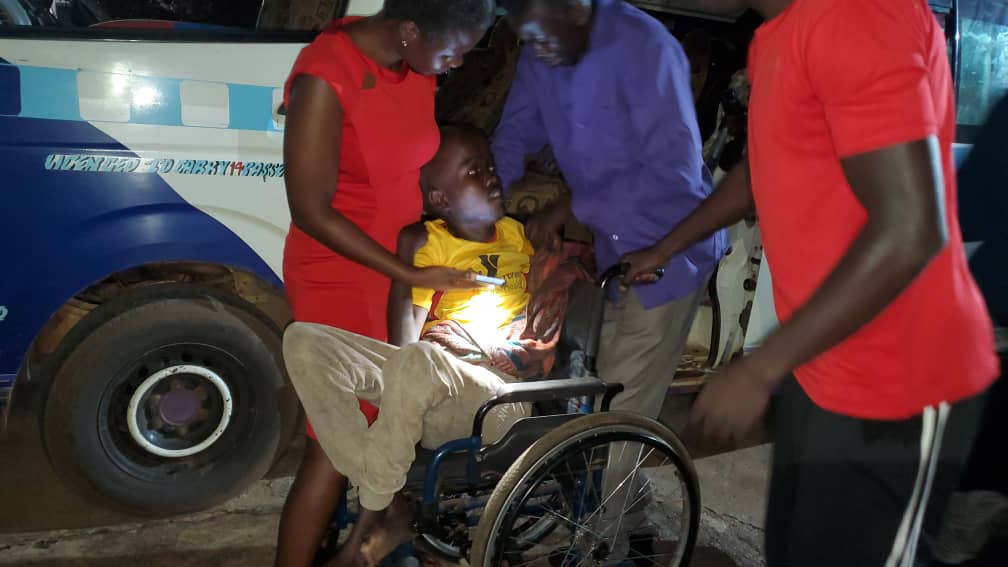
“It’s unfortunate that most people with babies with such conditions are sent home by medical workers to treat what they simply term as a wound or edema which ends up as hydrocephalus and at that point the brain of the baby is already damaged and hence causing the death of many before making five years while others live with huge heads when they can’t help themselves.” Said Nalugya
She called upon government, civil society organisations, medical officers, stakeholders and the general public to work together and put emphasizes on early identification and early treatment for the two conditions so that the situation doesn’t get out of hand.
Mubangizi Andrew, The assistant commissioner disability and rehabilitation division in the ministry of health said that as the ministry their strategic plan and health policy is geared toward universal health coverage catering for all health conditions including Spina Bifida and Hydrocephalus across the board from national level, referral hospital and national specialized units. He however, said at the referral and district hospitals certain level of services are provided beginning with assessment and then linkage to the higher or specialized professional services for rehabilitation. Adding that rehabilitation for children is lifelong and therefore it’s not a one stop service.
Commenting about what the ministry is doing in regards to the inaccessibility and costs of the assistive devices for persons with disabilities, Mubangizi said that their orthopedic workshops can make certain wheel chairs though not all types like the small size for children because of the labor and material intensiveness. He thus said they can only make the ordinary big size which in the end affects the children since they cannot serve efficiently since they are so special.
Mubangizi said that anything to do with importing wheelchairs and other assistive mobility equipment importation, the government policy states that anything to do with disability intervention and use is not taxed thus he is surprised to hear that they are taxed. He thus suspects that may be they bring them when they are not clearly identified through the right protocols as rehabilitation assistive equipment and that why Uganda Revenue Authority treats it as trade for business. He urged their partners to pass through the right protocols once they are importing such commodities in the country.
He further revealed that they are working on the regulatory framework dubbed The National rehabilitation and assistive technology strategic policy which is in the final stages and may be ready early next year. He says it will encompass how they handle things in a most better coordinated and quality service delivery approach. The policy will be the first one in Uganda where government, partners with other private, civil society organisations, patients, care takers and other stakeholders in rehabilitation and assistive technology services thus calling for team work to deliver the enormous quality services to Ugandans.
It should be noted that Uganda joins the rest of the world every 25th October commemorate the World Spina Bifida and Hydrocephalus day and this year’s theme is Accessibility for all.
In Uganda, Its estimated that annually 6000 to 8000 are born with spina bifida and hydrocephalus condition which condition needs expensive specialized health care only found Mulago National Referral Hospital, Cure children hospital in Mbale and Mbarara regional referral hospital with only 12 surgeons for the conditions in the country.
