
By Jumah Kakomo
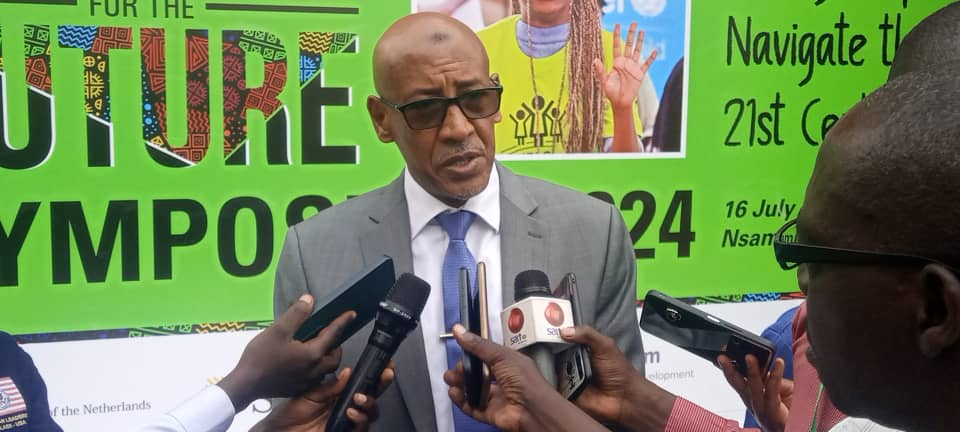
During the “Skills for the Future Symposium 2024” held in Kampala on Tuesday, Dr. Mohamed El-Munir Safieldin, the UNICEF Representative in Uganda, called upon the government to enhance the representation of youths in lower and local offices to better address their specific challenges and harness their potential.

Safieldin emphasized that young people are pivotal to Uganda’s future and deserve a more influential role in decision-making processes. He highlighted the current underrepresentation of youths in local councils and other lower offices, which often results in their issues being sidelined.
“To truly empower our youth, we need policies that promote their active participation and representation, such as quotas or affirmative action,” Safieldin urged. He encouraged young Ugandans to take a proactive interest in politics and leadership, stressing that their engagement is essential for driving positive societal change.
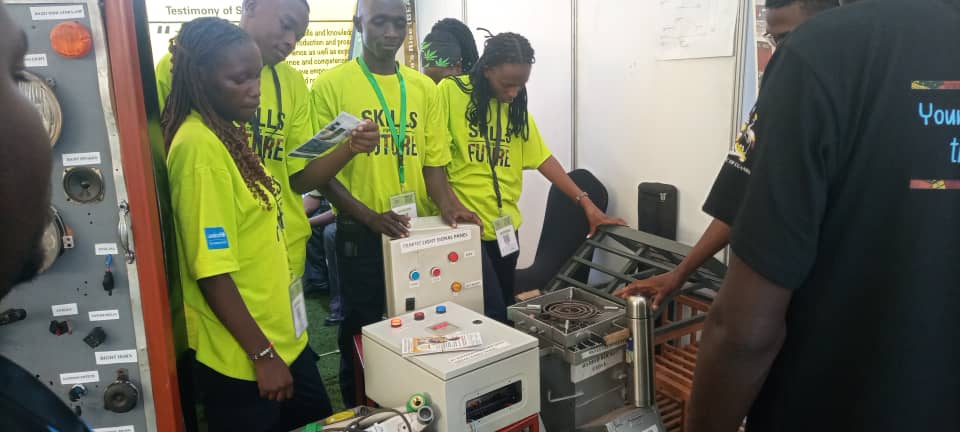
The UNICEF representative also showcased successful youth-led initiatives across Uganda that have positively impacted areas such as education, health, and economic development, underscoring the potential of young people to contribute significantly to national progress.
Aggrey Kibenge, the Permanent Secretary of the Ministry of Gender, Labour and Social Development, echoed Safieldin’s sentiments, urging youths to play an active role in combating corruption. He emphasized that corruption undermines service delivery and perpetuates injustice, disproportionately affecting young people. Kibenge encouraged them to report instances of corruption through dedicated hotlines and online platforms, assuring confidentiality and swift action against perpetrators.

“The fight against corruption demands collective effort, and the participation of young people is crucial in fostering a fair and equitable society,” Kibenge stated through Benard Mujuni, the commissioner Equity and Rights at the ministry who represented him.
Jacob Eyeru, Chairman of the National Youth Council, called on the government to extend development initiatives to grassroots levels, particularly in rural areas where many young people face challenges accessing essential services and opportunities. While acknowledging existing government efforts, Eyeru emphasized the need for decentralized programs tailored to rural youth needs, including youth centers, skills training, and entrepreneurship support.

“Empowering young people at the grassroots level is fundamental for inclusive national development and social equity,” Eyeru emphasized, urging sustained commitment from the government to address disparities and uplift marginalized youth communities across Uganda.
The symposium served as a platform for dialogue and advocacy, emphasizing the critical role of youth empowerment in shaping Uganda’s future trajectory towards prosperity and equality.
