
By Eric Yiga
Volunteers have been urged to carry out thorough research on the challenges affecting communities so they can address the real root causes rather than implementing projects that do not meet people’s actual needs.

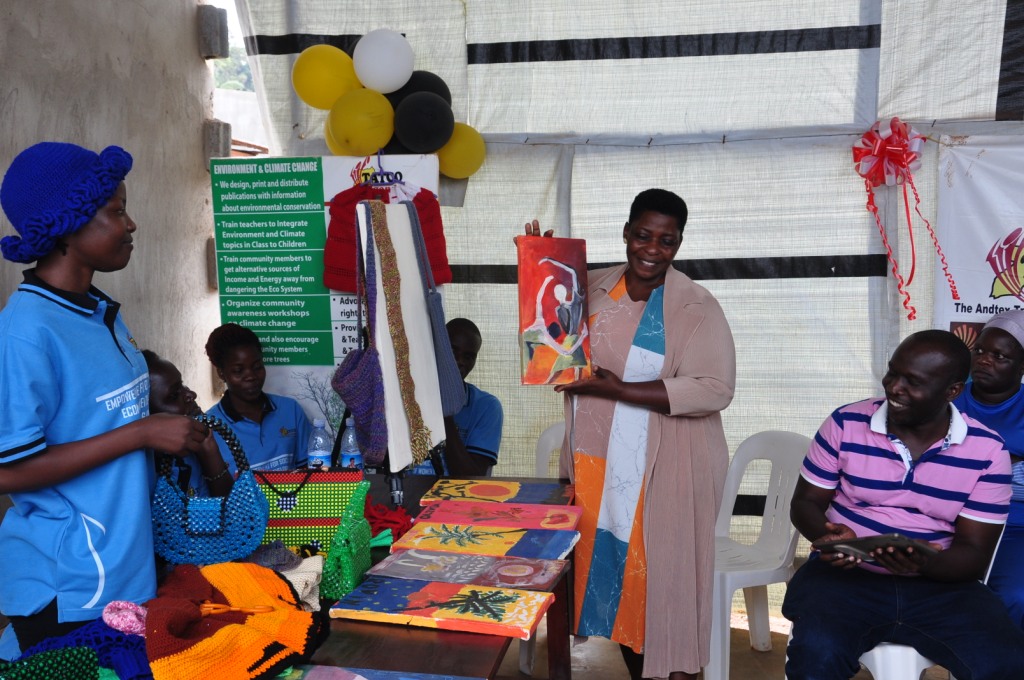
The call was made by the Community development officer Ggoma Division, Robina Kayaga, while launching the three-year strategic plan for TATCO Uganda aimed at training youth and women in mindset change and environmental conservation.
Kayaga emphasized the importance of community-led development and encouraged volunteers and organizations to align their work with existing government programs such as the Parish Development Model (PDM) to enhance sustainable development.
“When decisions are made from the bottom up, communities feel ownership of the programs,” Kayaga said. “But when projects are imposed from the top without consulting the people, turnout is often low because the projects do not reflect their real priorities.”
She appealed to NGOs and Community-Based Organizations (CBOs) to work collaboratively and learn from organizations such as SERTCO, which actively involves communities in decision-making processes.
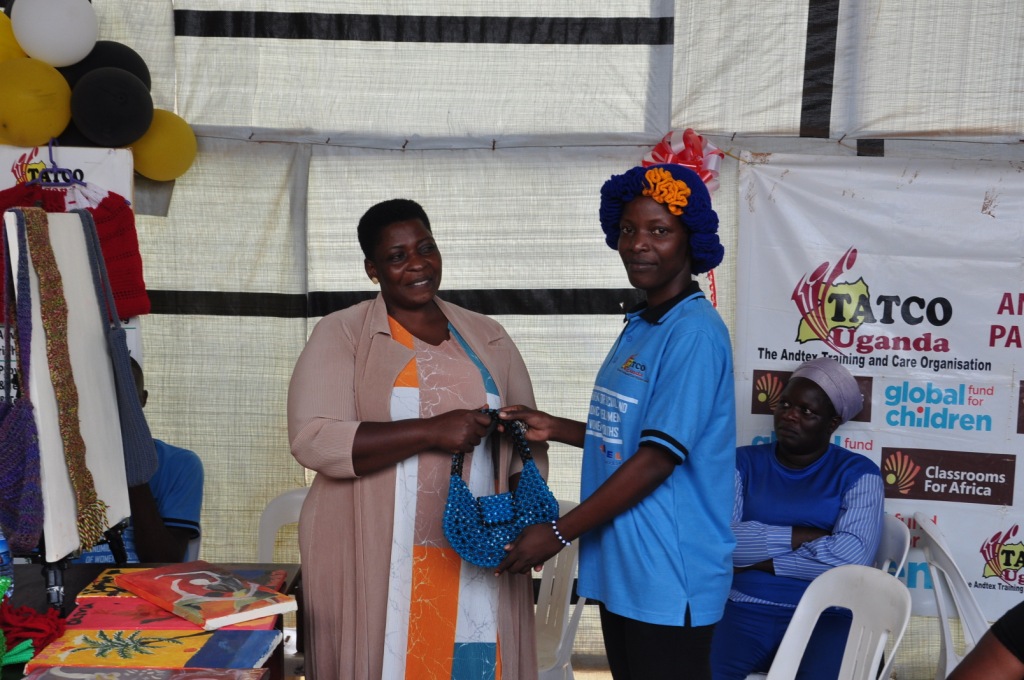
“This launch is a great opportunity for the people of Uganda and Goma Division. When communities are involved, they get to understand the services being offered and fully participate,” Kayaga added.
She also urged community members to embrace government initiatives targeting vulnerable groups, including UWEP, which supports women through economic empowerment programs.
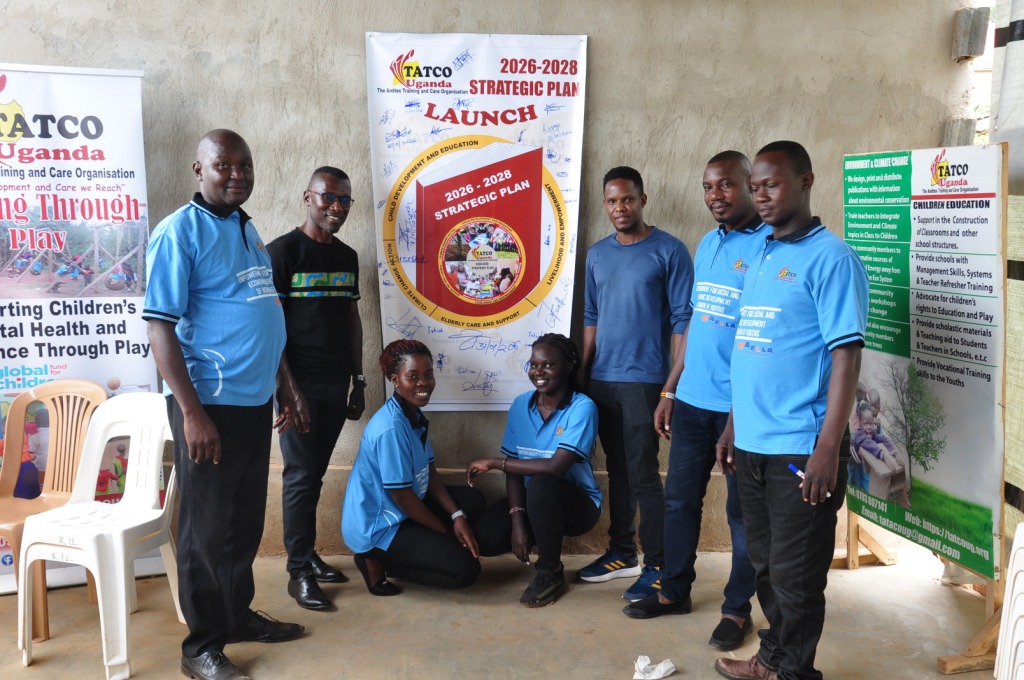
During the same event, TATCO Uganda, one of the volunteer organizations operating in Ggoma Division, officially launched its three-year strategic plan. The organization works closely with division leadership to improve community welfare, with a focus on education, livelihood support, and bridging the learning gap between rural and urban learners.
Speaking at the launch, Kato Andrew, the Founder and Executive Director of Antitechs Training and Care Organization (TATCO Uganda), said the organization was established in 2013 to transform communities through mindset change and skills training.
“Today, we launched our three-year strategy plan that focuses on four thematic areas: child development and education, livelihood and economic empowerment, climate change action and environmental care, and elderly care and support,” Kato said.
He explained that the program will be implemented in Ggoma Division, parts of Mukono District, and Njeru in Buikwe District, with a target of supporting at least 3,000 youth and women over the three-year period.
Kato noted that special attention will be given to youth working in stone quarrying areas, who often lack alternative opportunities.
“We want to remove youth from risky environments and equip them with vocational skills such as tailoring, carpentry, art and design, painting, and craft making,” he said. “They will also receive training in entrepreneurship, business management, and financial literacy so they can create sustainable livelihoods.”
The Program Coordinator, Bukenya Denis Joseph, stressed the importance of prioritizing community needs over organizational interests.
“When organizations listen to the people and involve other stakeholders, programs become more effective and sustainable,” he said. “Projects fail when NGOs sit in offices and decide for communities without proper needs assessment.”
Robert Ocen, the Chairperson of the Board, said the roadmap will strengthen local capacity building and ensure successful implementation of the four thematic areas.
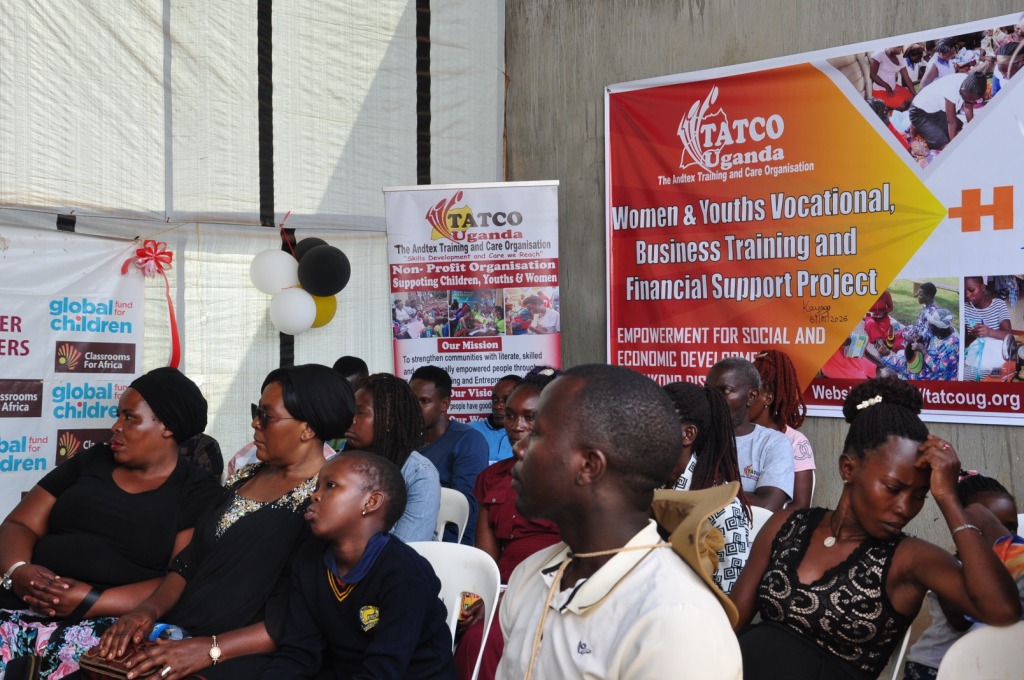
Some residents who have benefited from TATCO Uganda’s programs shared testimonies of improved livelihoods and skills development, while also highlighting ongoing challenges that require continued support.
Stakeholders expressed optimism that the community-driven approach will lead to meaningful and lasting change in Goma Division and surrounding areas.
