
By Kabuye Ronald
A coalition of 116 civil society organizations and three individuals from more than 35 countries has called on the governments of Uganda, Kenya, and Tanzania to launch a transparent, community-led process to assess Lake Victoria for eventual nomination as a UNESCO World Heritage Site.
The appeal, issued ahead of the 48th Session of the UNESCO World Heritage Committee, urges the three East African governments to work closely with UNESCO, the World Heritage Committee, the East African Community, and international partners to recognize Lake Victoria as a living cultural landscape deserving international protection.

According to the coalition, the proposed assessment should go beyond individual heritage sites to include Lake Victoria’s islands, shorelines, wetlands, tributaries, watersheds, ecosystems, cultural sites, and the communities whose lives and traditions are closely tied to the lake. The groups say the final nomination—whether cultural, natural, or mixed—should be determined through extensive consultations with Indigenous Peoples, local communities, scientists, cultural experts, and environmental specialists.
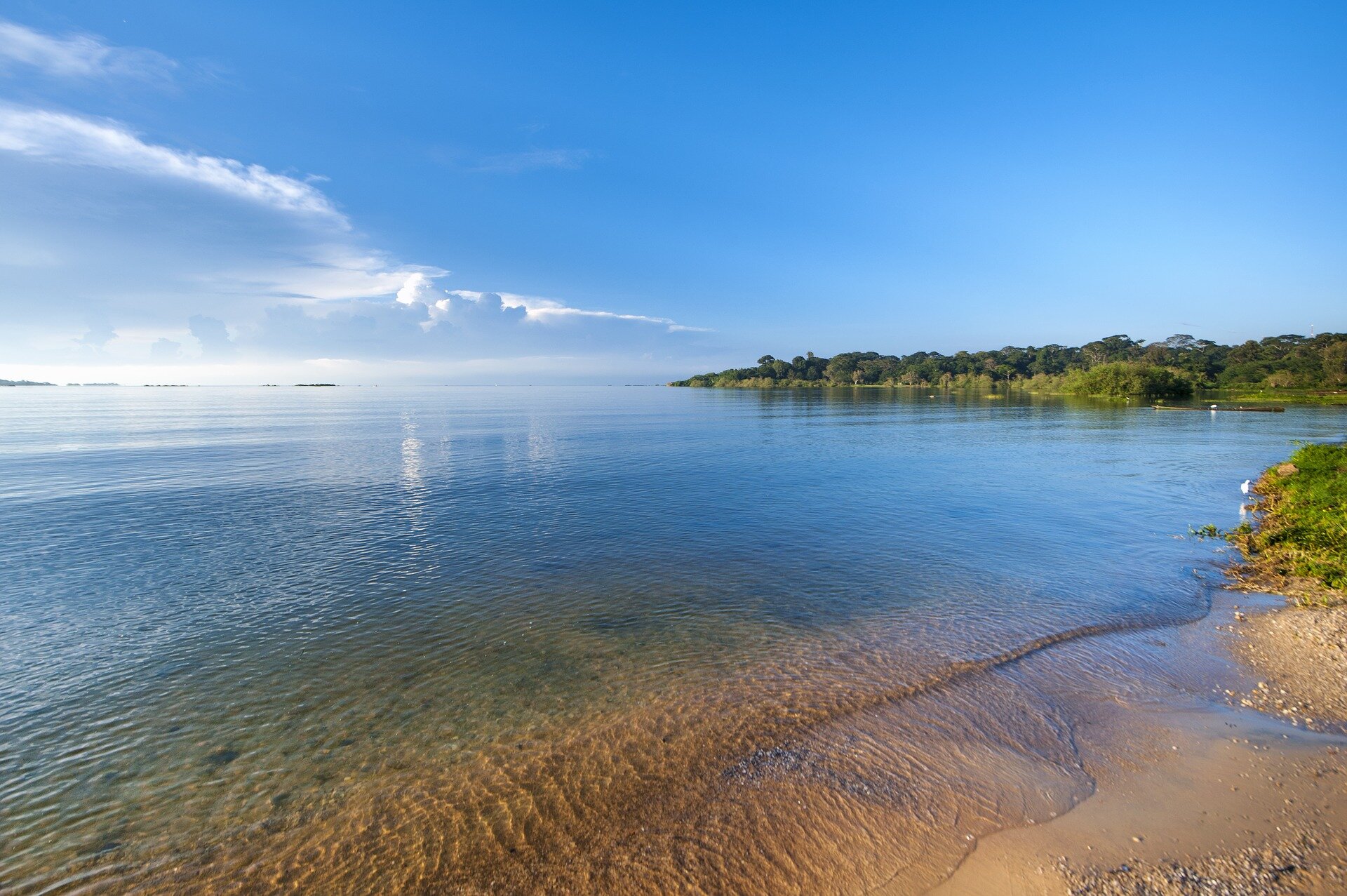
Lake Victoria, Africa’s largest freshwater lake and the world’s second-largest by surface area, is shared by Uganda, Kenya, and Tanzania. Its vast watershed supports millions of people through fishing, agriculture, transport, and tourism while also feeding the Nile River system, making its conservation important for downstream countries including South Sudan, Sudan, Egypt, and other Nile Basin states.
The coalition emphasized that Lake Victoria is more than a water body, describing it as a source of food, culture, spirituality, and identity. It noted that different communities know the lake by names reflecting its cultural significance, including Nalubaale, meaning “Mother of the Gods” among the Baganda, and Nam Lolwe, meaning “Endless Lake” among the Luo.
The statement also highlights the region’s rich archaeological and cultural heritage. It points to the inclusion of geometric rock art sites in Uganda, Kenya, and Tanzania on UNESCO’s Tentative List in 2024, arguing that these sites should be viewed as part of the broader Lake Victoria cultural landscape rather than as isolated heritage locations.
However, the organizations warn that the lake faces mounting environmental challenges, including pollution, invasive species, overfishing, illegal fishing, deforestation, wetland degradation, and the impacts of climate change.
They also expressed concern over the East African Crude Oil Pipeline (EACOP) and related oil developments, arguing that activities within the broader Lake Victoria Basin could negatively affect wetlands, rivers, tributaries, and ecosystems connected to the lake. Such impacts, they said, could threaten fisheries, drinking water, biodiversity, food security, cultural heritage, and the livelihoods of millions of people.
Beyond conservation, the coalition believes a World Heritage assessment could promote sustainable economic opportunities, including responsible fisheries management, wetland restoration, clean water initiatives, community-led conservation, cultural heritage preservation, nature-based tourism, renewable energy, climate resilience, scientific research, and support for local livelihoods.
The organizations stressed that any World Heritage nomination process must be community-led and rights-based, respecting the principle of free, prior, and informed consent for Indigenous Peoples while ensuring meaningful consultation with local communities. They further called for safeguards to protect customary livelihoods, recognize Indigenous knowledge, empower women involved in fisheries, promote youth leadership, and prevent displacement or exclusionary conservation practices.
The coalition urged governments and UNESCO stakeholders to engage civil society representatives before, during, and after the World Heritage Committee meeting, support further research into Lake Victoria’s outstanding universal value, explore sustainable development alternatives, and avoid new fossil fuel projects that could threaten the lake and its connected freshwater ecosystems.
The statement was endorsed by organizations working in environmental conservation, cultural heritage, Indigenous and community rights, climate justice, biodiversity protection, youth leadership, and human rights. Signatories include 58 organizations from East Africa, alongside others from across Africa and around the world.
