
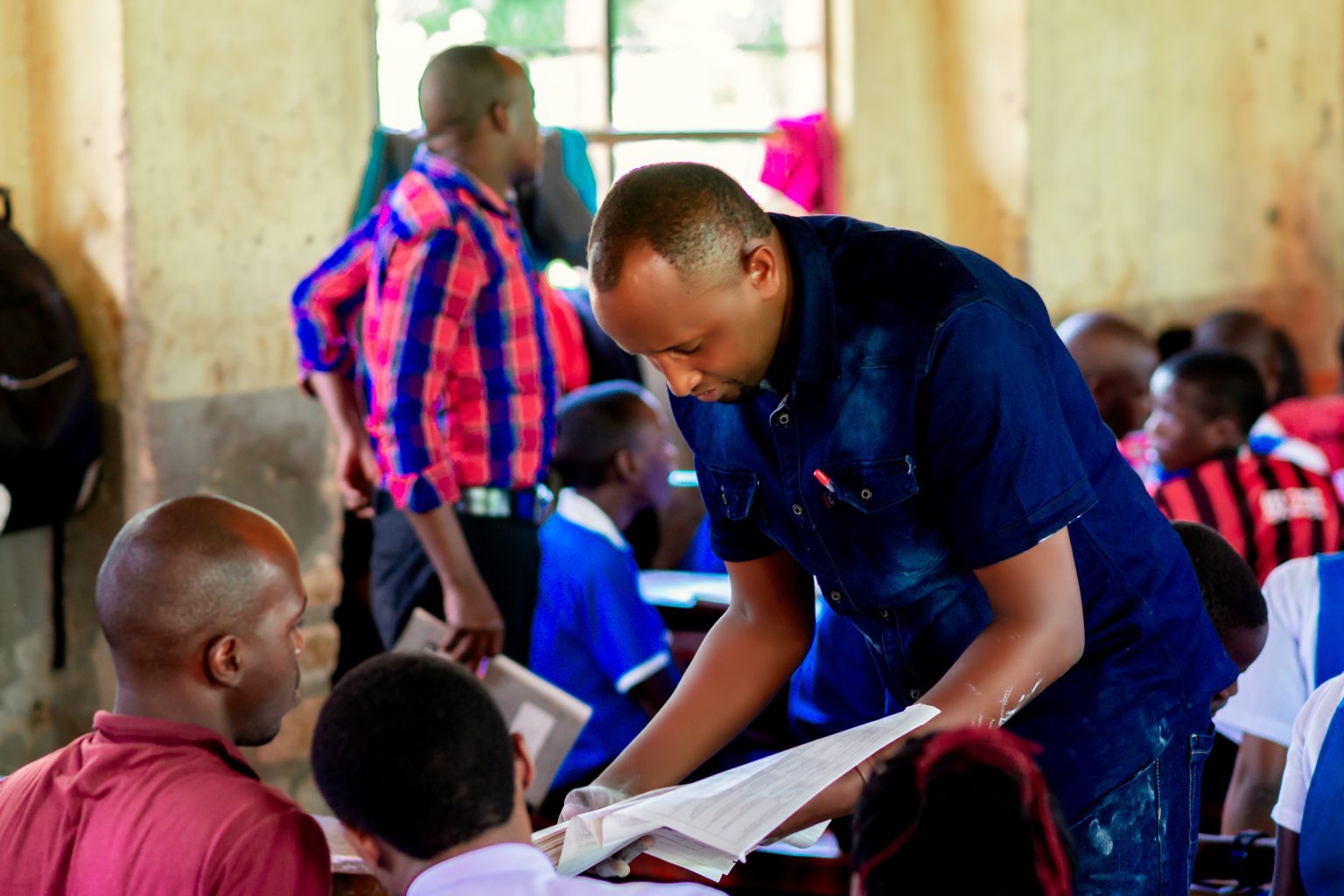
By Victoria Bugembe Nampala
From school fees and scholastic materials to practical skills and community initiatives, educational interventions in Mpigi District are helping learners overcome barriers to education and discover opportunities beyond the classroom.
For Lawrence Kizito, joining secondary school was more than an academic milestone. It was an opportunity to pursue an education that financial challenges had previously threatened to derail.

The Senior One student at St Bruno’s Secondary School recalls struggling to access basic scholastic materials, including books and pens, while studying at St Mary’s Primary School.
Coming from a financially challenged background, meeting educational expenses was difficult, affecting his learning experience and academic progress.
His circumstances changed when he learnt about an educational sponsorship opportunity while in Primary Six. Learners were informed that those who attained a first grade would qualify for support to continue their education.
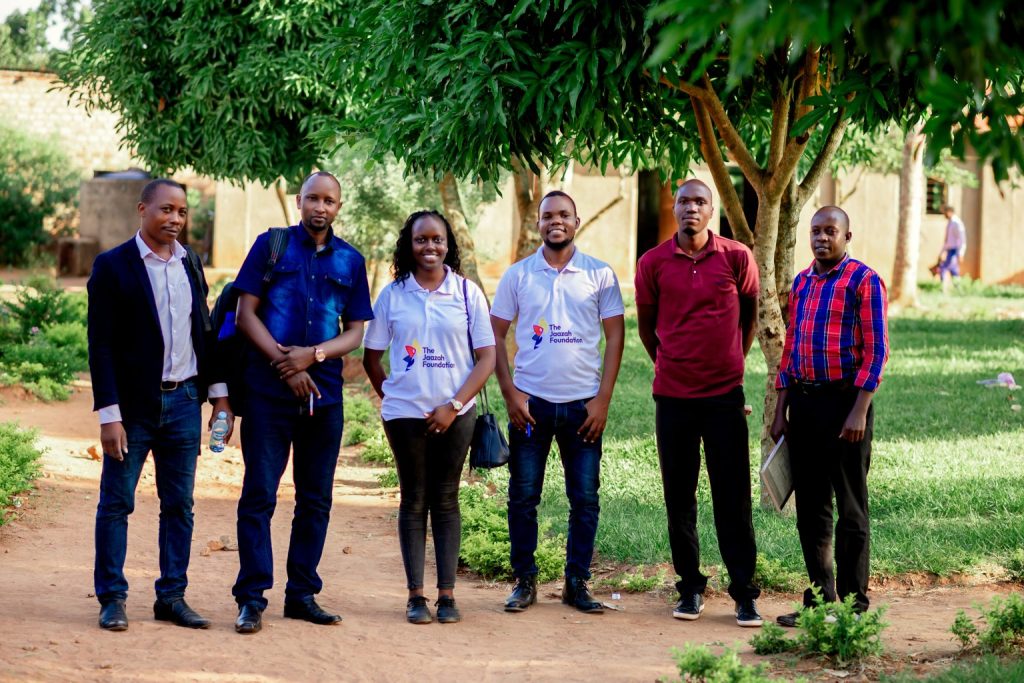
Education experts that were taken to improve the acamedic condition of St. Mary’s Masaka Primary School
Kizito worked hard, emerged among the successful candidates and secured sponsorship to join a secondary school of his choice.
The support, which includes school fees and essential learning materials, has given him an opportunity to concentrate on his studies with fewer financial worries.
“I hope to perform well academically, build a better future and eventually support my family,” Kizito says.
His experience highlights the importance of educational interventions that address the financial barriers preventing capable children from progressing through school.
In parts of Mpigi District, Jazza Foundation Limited is among the organisations supporting such interventions through educational sponsorships, learning materials, creative activities and community engagement.
Beyond school fees
While paying school fees is essential in keeping children in school, educational support must also address the conditions that influence their ability to learn.
Mathias Kasumba, a parent and former Parent-Teacher Association (PTA) head at one of the schools supported by the foundation, says improving children’s learning experiences requires attention to their basic needs.
He recalls how introducing lunchtime meals for learners contributed to improvements in their school performance, which he attributes partly to children receiving balanced meals throughout the year.
The initiative was followed by the introduction of bursary opportunities to help learners continue their education.
Kasumba has also taken an active role in nurturing children’s talents by teaching younger learners how to play drums and other musical instruments.
Such activities expose children to creative learning opportunities while helping them develop confidence, discipline and practical abilities beyond conventional classroom subjects.
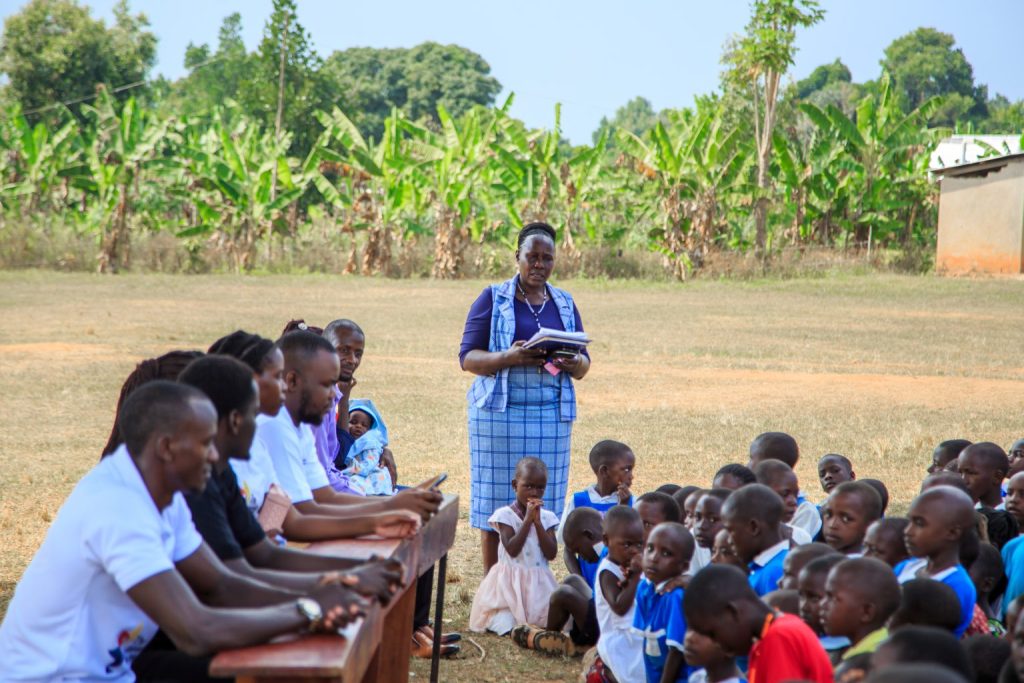
Mary Nakajubi the headteacher St mary’s masaka addressing the school before The Jaazah Foundation who had visted them recently
Practical learning keeps children engaged
Gerald Katongole, the District Education Officer for Mpigi District, says access to basic learning materials is essential because children who lack books, pens or the means to remain in school may struggle to perform to their full potential.
He argues that educational achievement should also be accompanied by opportunities for continued learning, particularly for children from financially disadvantaged families.
Brain Ssebugenyi, a schools inspector in Buwama Town Council, says activities implemented by Jazza Foundation in Buwama and other parts of Mpigi District have contributed to a reported 30% increase in school enrolment.
He attributes the improvement partly to initiatives that make learning more engaging and practical, encouraging children to attend school and participate in classroom activities.
Katongole also points to reports from school inspectors and feedback from members of the public indicating a 12% reduction in school absenteeism, which he associates with the foundation’s educational activities.
He says creative and practical learning opportunities have helped motivate children to attend school and develop greater interest in their studies.
“Learners nowadays learn by doing practicals, with less emphasis on theory from books, where they sometimes cram information simply to pass examinations. With practicals taking a bigger share, the results are more meaningful and long-lasting,” Katongole says.
Practical learning gives children opportunities to understand concepts, develop problem-solving abilities and apply classroom knowledge to everyday situations.

How community empowerment supports education
The impact of educational interventions can extend beyond learners to families and the wider community.
Cossy Kiyingi, the LC III chairperson of Kamengo, says Jazza Foundation’s community activities have helped residents explore alternative sources of income and become more economically active.
He explains that community members participate in activities such as weaving mats and baskets, making liquid soap and joining small savings groups.
“The community is involved in weaving different products such as mats and baskets, making liquid soap and participating in small savings groups. These activities keep people occupied, improve their livelihoods and reduce dependence on handouts from the district and its leaders. We have also seen security improvements,” Kiyingi says.
Such initiatives demonstrate the connection between household livelihoods and children’s education. When parents and caregivers have opportunities to improve their incomes, they may be better positioned to meet school-related expenses and support their children’s learning.
Schools benefit from learning materials
For schools operating with limited resources, access to quality teaching and learning materials can make a significant difference.
Mary Nakajubi, the headteacher of St Mary’s Masaka Primary School in Mpigi District, says Jazza Foundation Limited has supported the school by supplying updated learning materials for use in daily classroom activities.
She says the materials have contributed to improvements in the school’s academic performance and strengthened preparations for national examinations.
“The school administration could not afford such materials because we are a government school with limited resources. However, since Jazza Foundation Limited stepped in, there has been a noticeable improvement in the academic journey of many learners,” Nakajubi says.
She expresses optimism about the performance of the school’s candidates in the recently concluded Primary Leaving Examinations, saying the administration hopes to register encouraging results when the results are released.
The bigger education challenge
The experiences of learners, parents, teachers and local leaders in Mpigi highlight the importance of looking at education beyond school fees and examination results.
Children need opportunities to develop practical skills, discover their talents, build confidence and acquire knowledge that prepares them for life beyond school.
Initiatives combining educational sponsorships, scholastic materials, creative activities, mentorship and community participation can help address some of the barriers that prevent disadvantaged children from reaching their potential.
However, sustaining these gains requires continued collaboration among parents, teachers, school administrators, government, local leaders and development organisations.
As Uganda continues to pursue improved access to quality education, the challenge remains ensuring that children from financially disadvantaged households are not left behind because of circumstances beyond their control.
For learners such as Kizito, access to educational support has opened a door to a different future. The next task is ensuring that the opportunity translates into lasting academic achievement, practical skills and the ability to contribute meaningfully to society.
Ultimately, getting children into school is only the beginning. Ensuring they have the resources, encouragement and skills to succeed is what makes education transformative.
