
By John Mapambano
The headteacher of Bweera Primary School, Edson Bikorwomuhangi, says no assistance has reached the school or the families of three pupils killed by lightning in May, raising fresh concerns about the safety of schools and communities in Uganda’s lightning-prone western region.
Bikorwomuhangi said the school still lacks a lightning conductor, months after the tragedy that claimed the lives of three children on May 3, 2026.

He said pupils from at least five schools in Kabale, Kisoro and Bushenyi districts have been struck by lightning since 2013, highlighting the urgent need for proper lightning protection systems in schools and other public buildings.
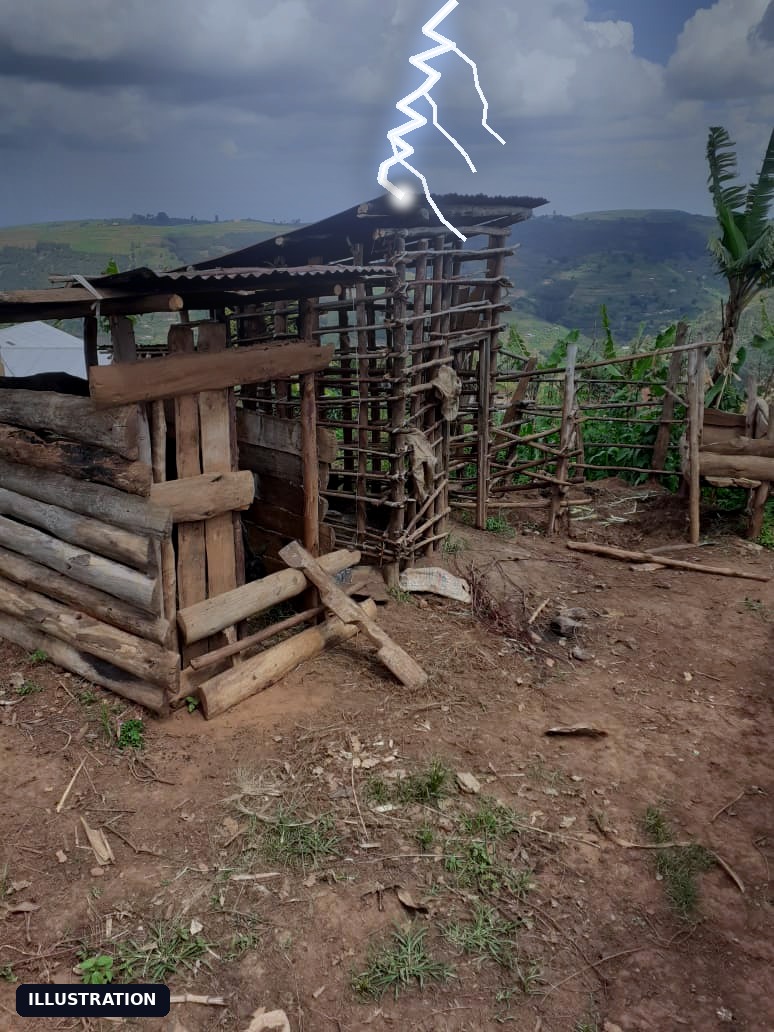
The three children, including two sisters, died at about 5pm on Sunday, May 3, when lightning struck a kitchen at a home in Kahama village where they had sought shelter from heavy rain, according to the village LC1 chairperson.
The victims included a Primary Four pupil, her four-year-old sister in nursery school and a Primary Five pupil who was visiting from a neighbouring home. Their parents were reportedly away at the time of the incident.
School still waiting for assistance
In an interview, Bikorwomuhangi said the school and the bereaved families had not received any assistance since the tragedy.
“No one has helped since the tragedy,” he said.
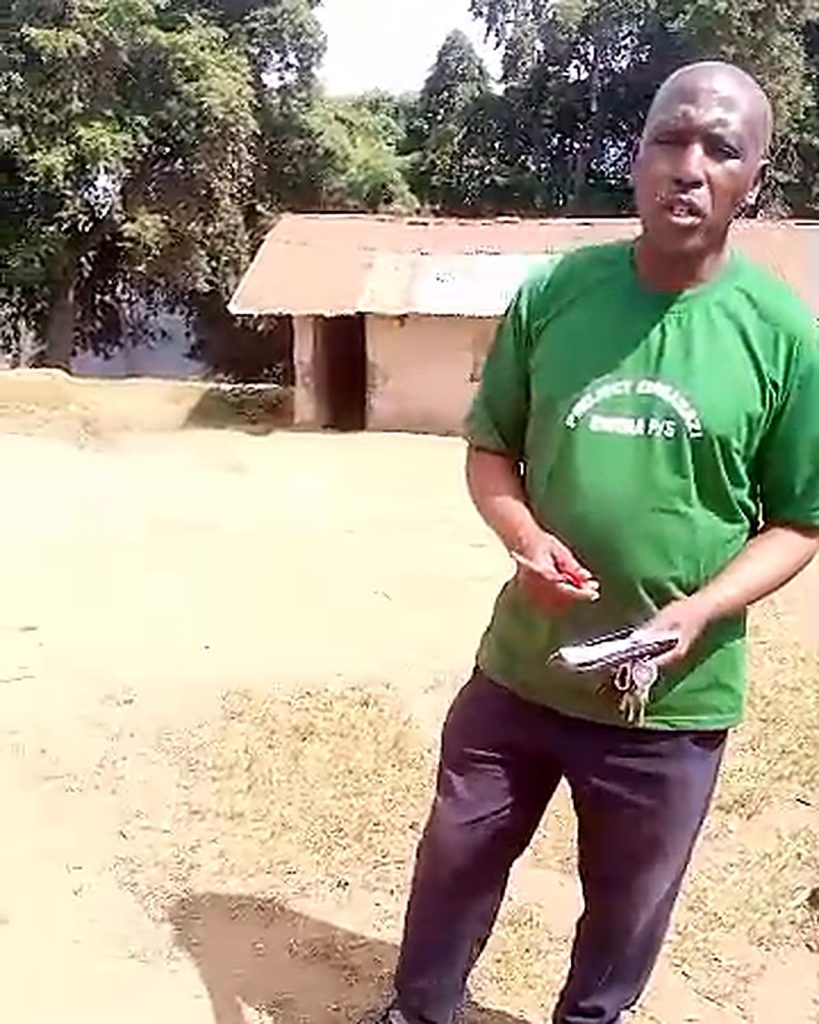
The headteacher of Bweera Primary School, Edson Bikorwomuhangi
He explained that the school had previously received no government structures, apart from renovations supported by the Makerere University Mastercard Foundation programme.
He attributed the community’s vulnerability to its geographical location, characterised by open grounds and hills, as well as the absence of lightning protection systems in the school and surrounding community.
“The place was covered in grief and silence,” he said.
However, the children were killed at home, not at school, which had closed for the term the previous week. This means that a lightning conductor installed on the school roof would not have protected them on that particular Sunday.
The incident highlights the need to extend lightning protection beyond school buildings to homes and other places where children seek shelter during storms.
Jonan Turihohabwe, the LC1 chairperson of Kahama village, said his attempts to contact police immediately after the lightning strike were unsuccessful, exposing communication challenges during emergencies.

Experts call for stronger protection
Dr Mary Ann Cooper, managing director of the African Centres for Lightning and Electromagnetics Network (ACLENet), and Professor Ken [surname not provided], say Uganda can reduce lightning-related injuries and deaths by ensuring buildings are properly protected.
“We can’t prevent lightning, but we can prevent lightning injuries,” Cooper said.
She said the country should prioritise lightning-safe buildings, particularly schools and other public facilities where large numbers of people gather.
Cooper called on Uganda to adopt international standards for lightning protection, particularly IEC 62305, and standards for lightning protection components under IEC 62561.
She also emphasised the need to train personnel in effective lightning protection design and ensure government agencies regularly inspect and certify installed systems.
She added that communities should be educated about lightning safety, noting that establishing an effective protection system would require sustained efforts over several years.
However, the cost of installing standard protection systems remains a major challenge.
According to ACLENet, a complete standard lightning protection system costs between US$25,000 and US$40,000 (approximately Shs90 million to Shs140 million) per school.
The Government has already made commitments towards improving school safety.
In May 2026, Dr John Muyingo, the Minister of State for Education and Sports (Higher Education), issued school safety guidelines requiring all school buildings to have lightning arresters.
The guidelines also provide for regular inspections and disaster-response plans, although the implementation of these measures remains a concern.
Lightning strikes across Western Uganda
Bweera Primary School is among several schools in the western region that have experienced lightning-related tragedies over the years.
At Katojo Primary School in Kabale District, three pupils, two in Primary Five and one in Primary Three, were critically injured on March 18, 2026, after being struck by lightning while walking home during a heavy downpour.
In April 2018, a pupil at Nyakeina Parents Primary School in Kabale was killed by lightning.
At Nkurungiro Primary School in Kisoro District, at least four people, including a six-year-old pupil, died on September 27, 2013, after lightning struck people sheltering on a classroom verandah. The school was subsequently fitted with a lightning protection system in 2017.
At Buramba Primary School in Bushenyi District, eight pupils died and 14 other pupils and a teacher were injured in a lightning strike on July 25, 2014. The school was later fitted with protection between 2016 and 2017.
Experts, however, warn that installing lightning protection systems is not enough without regular maintenance.
Cooper said existing installations require continuous monitoring because of vandalism, soil erosion, new construction and the removal or alteration of previously protected buildings.
She said such changes may require schools to seek additional funding to install revised protection systems.
In Kabale, police are also investigating a July break-in at Kabale Primary School, an incident that has raised concerns about the security of school infrastructure.
Uganda’s lightning burden
The scale of the lightning threat is reflected in figures from the Department of Meteorology, which recorded 191 lightning-related deaths and 727 injuries between 2007 and 2012.
A lightning chapter hosted by UNESCO Uganda also identifies Kisoro among the districts with the highest number of lightning incidents.
The Kigezi sub-region is among the areas most prone to lightning strikes in the country, according to the 2021 National Risk and Vulnerability studies.
Calls for action
Bweera Primary School is appealing for lightning protection and support for the families who lost their children.
Meanwhile, experts are urging the Government to move beyond issuing safety guidelines and ensure that protection systems are installed, inspected, maintained and certified.
The key questions facing Kabale and neighbouring districts remain who will install the systems, who will inspect them and, most importantly, who will provide the funds.
Until adequate protection is installed, the UNESCO Uganda chapter advises people to seek shelter inside solid buildings or enclosed vehicles during thunderstorms.
It also warns against remaining in open grounds, on hilltops, near water bodies, under tall trees or close to metal objects during lightning storms.
