

By Jumah Kakomo
The Uganda People’s Congress (UPC) party has voiced strong concerns following Speaker of Parliament Rt. Hon. Anita Annet Among’s decision to halt the Equal Opportunities Commission’s (EOC) inquiry into the salaries of legislators and parliamentary staff. The controversy stems from the Speaker’s directive, which effectively forbids the Commission from seeking detailed reports on the earnings of Members of Parliament (MPs) and parliamentary employees.

Addressing the matter, Speaker Among emphasized that Parliament is an independent institution and its payroll falls outside the oversight authority of the Equal Opportunities Commission. She warned the Commission against overstepping its mandate, claiming that such requests would undermine the autonomy of Parliament.
This move by the Speaker followed a formal request from the Equal Opportunities Commission, which sought transparency in the compensation of MPs and their staff, citing concerns about public accountability and equity in government spending.

In response, UPC spokesperson Arach Oyat Sharon strongly disagreed with the Speaker’s stance, arguing that as public servants, the salaries of legislators must be open to scrutiny. “Transparency is vital, especially in institutions where public funds are being allocated. Parliament, as a public body, must be held accountable to the people,” Sharon stated, emphasizing that citizens have a right to know how their taxes are being spent.
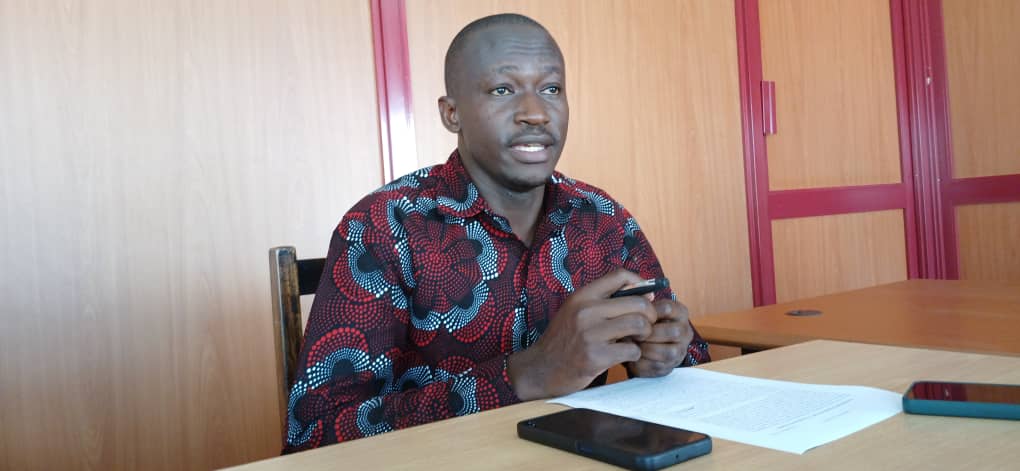
Further supporting the need for accountability, the party’s Head of Media and Communications, Faizo Muzeyi, also weighed in, stressing that both transparency and accountability are essential for good governance. Muzeyi warned that without these principles, corruption could thrive, undermining public trust and impeding national development. “A lack of accountability breeds inefficiency and inequality, which ultimately harms the people we are meant to serve,” he said.
The UPC’s response highlights a growing debate about the role of oversight bodies like the Equal Opportunities Commission in ensuring government transparency and preventing corruption. As the issue unfolds, it remains to be seen how Parliament and the Commission will resolve their differences on the matter of financial disclosure and oversight.
