
By Kabuye Ronald
Advocates for road safety, under the umbrella of the Road Safety Advocacy Coalition Uganda (ROSACU), have called for the full implementation of existing traffic rules and regulations. They emphasized that while the laws themselves are adequate, the main challenge lies in their enforcement.

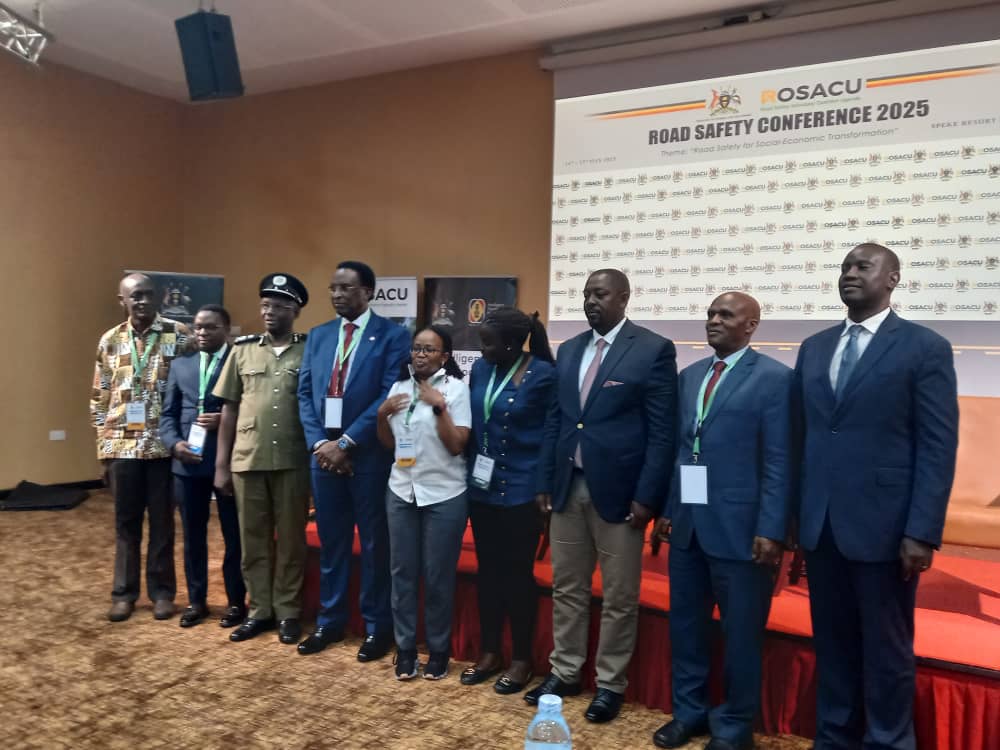
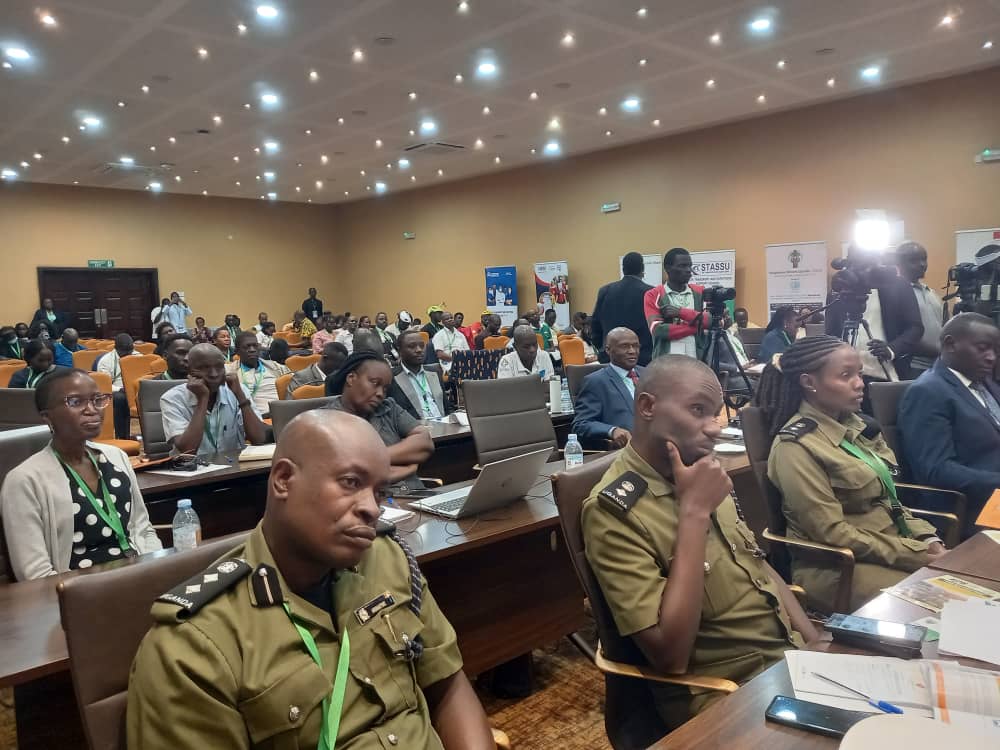
This call was made during the closing session of the first Uganda Road Safety Conference (URoSAC) 2025, held under the theme “Road Safety for Socio-Economic Transformation.” The event, organized by ROSACU in partnership with the Ministry of Works and Transport, took place at Speke Resort Munyonyo.
Speakers at the event highlighted the lack of political will to enforce road safety laws, as well as widespread recklessness among motorists particularly boda boda (motorcycle taxi) riders. Concerns were also raised about government officials and private individuals who misuse sirens, often leading to avoidable accidents.
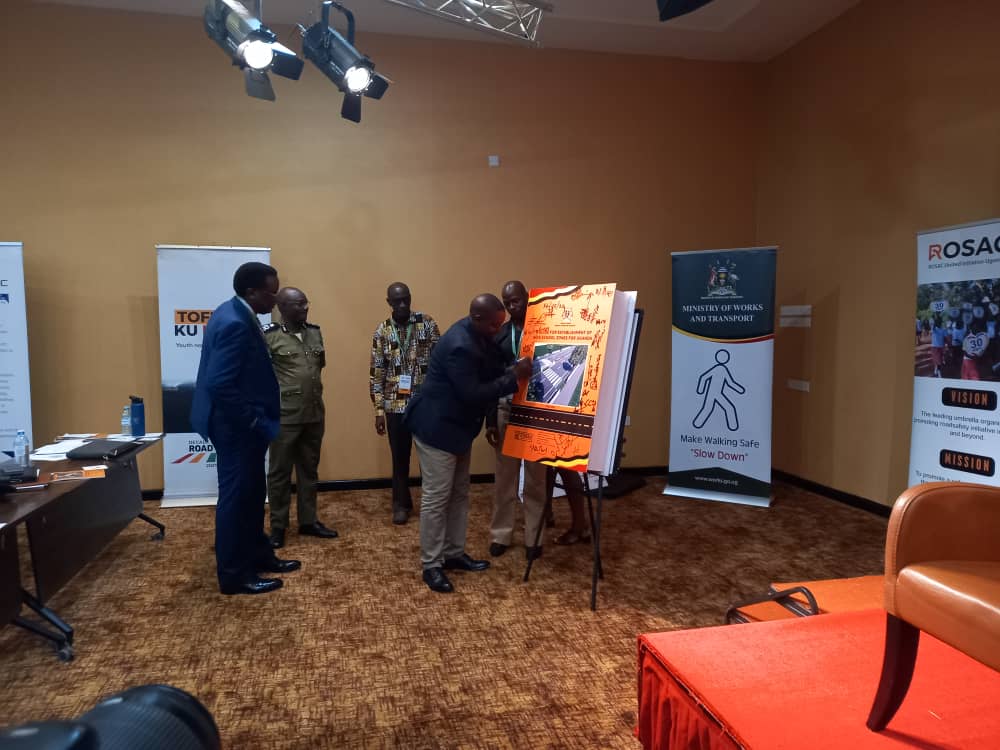
In her message delivered by Hon. Dan Kimosho, Chairperson of the Physical Infrastructure Committee of Parliament, Speaker of Parliament Annet Anita Among emphasized the vital role of road safety in promoting economic growth, reducing poverty, and saving lives. She called for collaborative efforts to tackle the persistent challenges affecting Uganda’s road safety.
“Road crashes are a major public health issue, leading to loss of life, injuries, and economic distress for families and communities. These incidents significantly hinder national development,” she noted.

The Speaker pledged Parliament’s continued support in strengthening road safety laws, raising public awareness, and working with stakeholders to implement effective strategies. She stressed that road safety is a shared responsibility and urged collective action to create a safer transport system for Uganda’s socio-economic transformation.
According to current statistics, 3,757 people die annually in road crashes. The country experiences approximately 600,000 car accidents and 1.2 million boda boda-related incidents each year. The government spends about UGX 86.2 billion annually on treating accident victims, while affected families contribute an additional UGX 7 billion, bringing the total cost to UGX 93.2 billion.
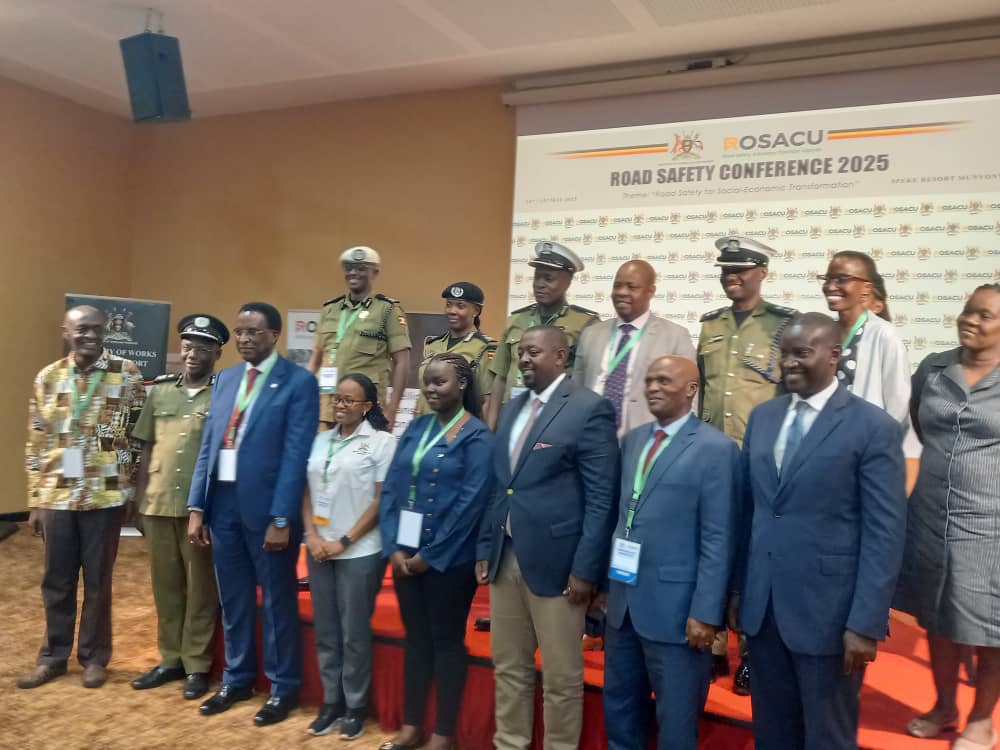
Richard Baguma, Chairperson of the inaugural URoSAC 2025, highlighted several key resolutions from the conference. These include the need to increase funding for road safety beyond road construction, and the importance of deliberate awareness campaigns particularly targeting motorists, pedestrians, and cyclists.
He emphasized that irresponsible road usage, including reckless driving, over speeding, and drunk driving, is a major contributor to road accidents.
“Improving road safety is not just the government’s responsibility. Road users must also take personal responsibility for their actions,” Baguma said.
He reiterated that the existing laws are sufficient but must be implemented effectively. The conference also called for the expedited construction of roads and installation of digital traffic lights with cameras, to support the Express Penalty Scheme (EPS) Auto System. This system will use CCTV technology to automatically detect traffic offenses and send fines directly to offenders’ mobile money accounts for instant deductions.
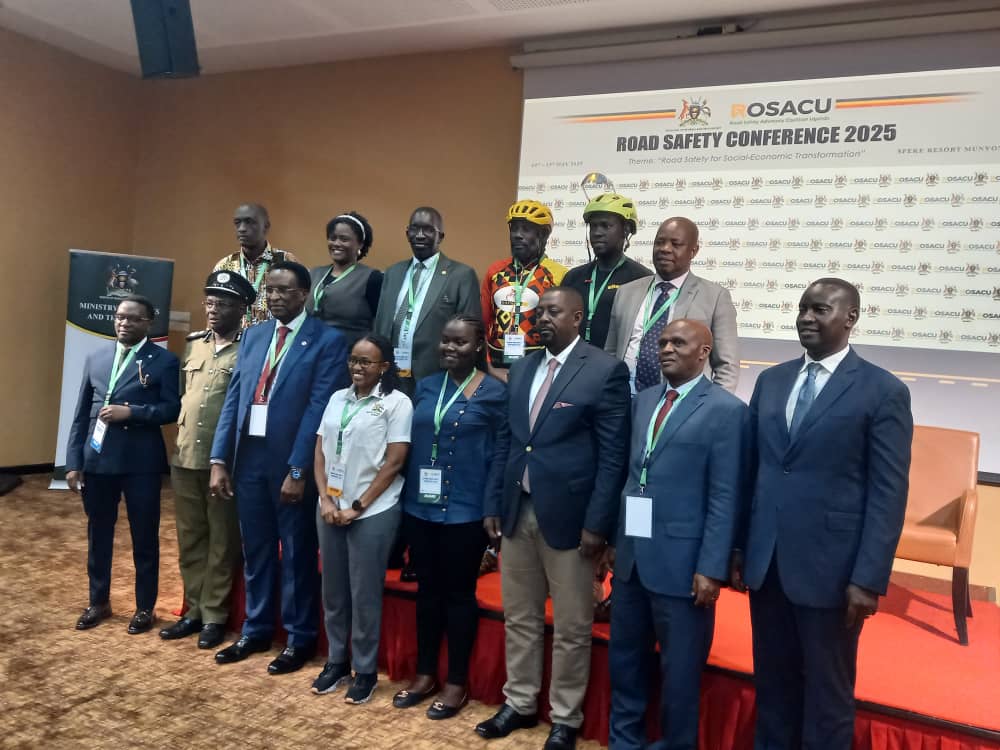
Winstone Katushabe, Commissioner Transport Regulation and Safety/Chief Licensing Officer of Motor Vehicles · Ministry of Works and Transport applauded the participants for the great ideas put across before revealing that conference is going to be an annual event.
