
By Kabuye Ronald
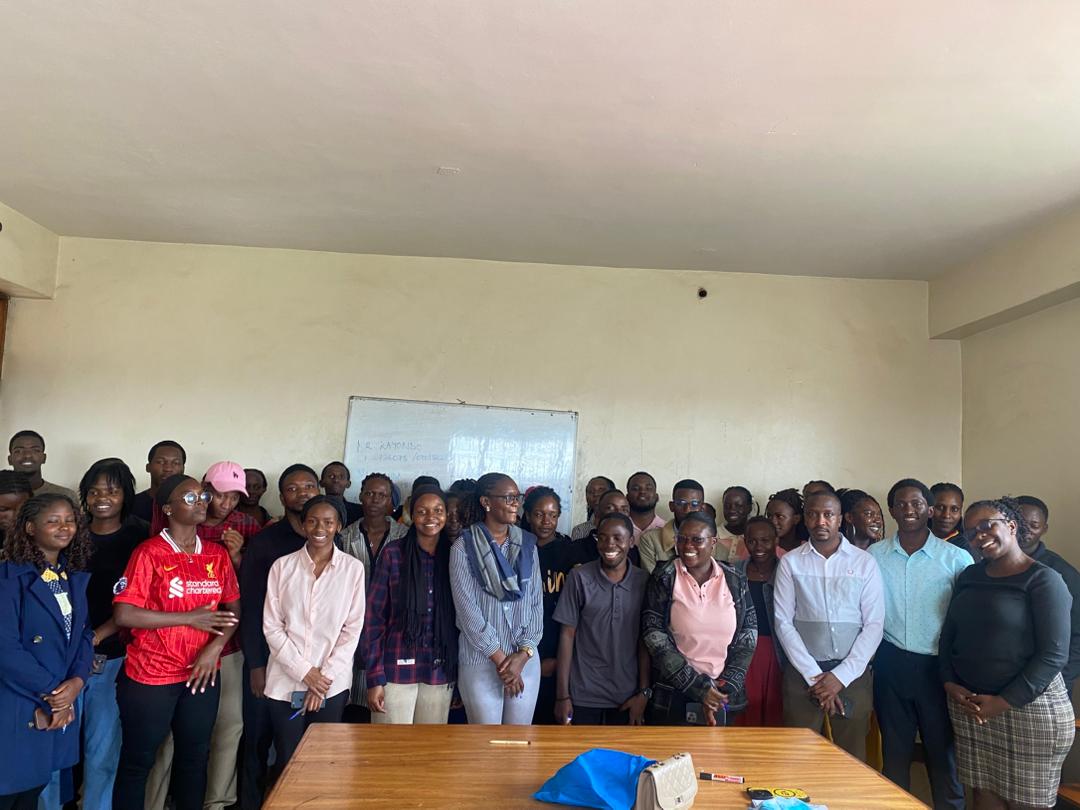
Students at Ndejje University were given a crucial reminder: knowledge is power when it comes to sexual and reproductive health. The message came during an interactive seminar hosted by the Association of Obstetricians and Gynecologists in Uganda (AOGU).
Dr. Kayondo Simon, Chairperson of AOGU, opened the session by challenging common misconceptions. “Sexual and reproductive health is not just about avoiding disease or preventing pregnancy,” he told the students. “It’s about your overall well-being—physical, mental, and social.”
One key focus of the seminar was consent. Dr. Kayondo stressed that every individual has the right to make informed decisions about their body. Consent, he explained, should always be mutual, clear, and respectful—never assumed or coerced.

Family planning was another major topic. Students learned about different contraceptive options, from IUDs and pills to injectables and condoms. Dr. Kayondo warned that while emergency contraceptives are useful when needed, frequent use can cause hormonal imbalances. He encouraged students to explore long-term, safer methods and consult healthcare professionals.
The discussion also addressed the reality of unwanted pregnancies among young women. Dr. Kayondo clarified Uganda’s legal framework on abortion, which permits the procedure only under specific circumstances. He urged students to seek accurate information, know their rights, and avoid unsafe procedures. He also emphasized the importance of post-abortion care and emotional self-care if such situations arise.

Jael Namiganda, a media practitioner and AOGU member, reminded students that myths and misinformation are major obstacles to good sexual health. “Following media rumors or self-diagnosis can lead to complications, even death,” she said. She encouraged students to always consult professionals and become advocates for sexual and reproductive health within their communities.
By the end of the seminar, students left with a clear message: understanding and protecting one’s sexual and reproductive health is not just about safety—it’s about empowerment, respect, and making informed choices for one’s future.
