
By Yusuf Obbo
The Ministry of Education and Sports has warned schools, teachers, and district education officials against poor performance on the Teacher Effectiveness and Learner Achievement (TELA) system, saying there will be no excuses for non-compliance.

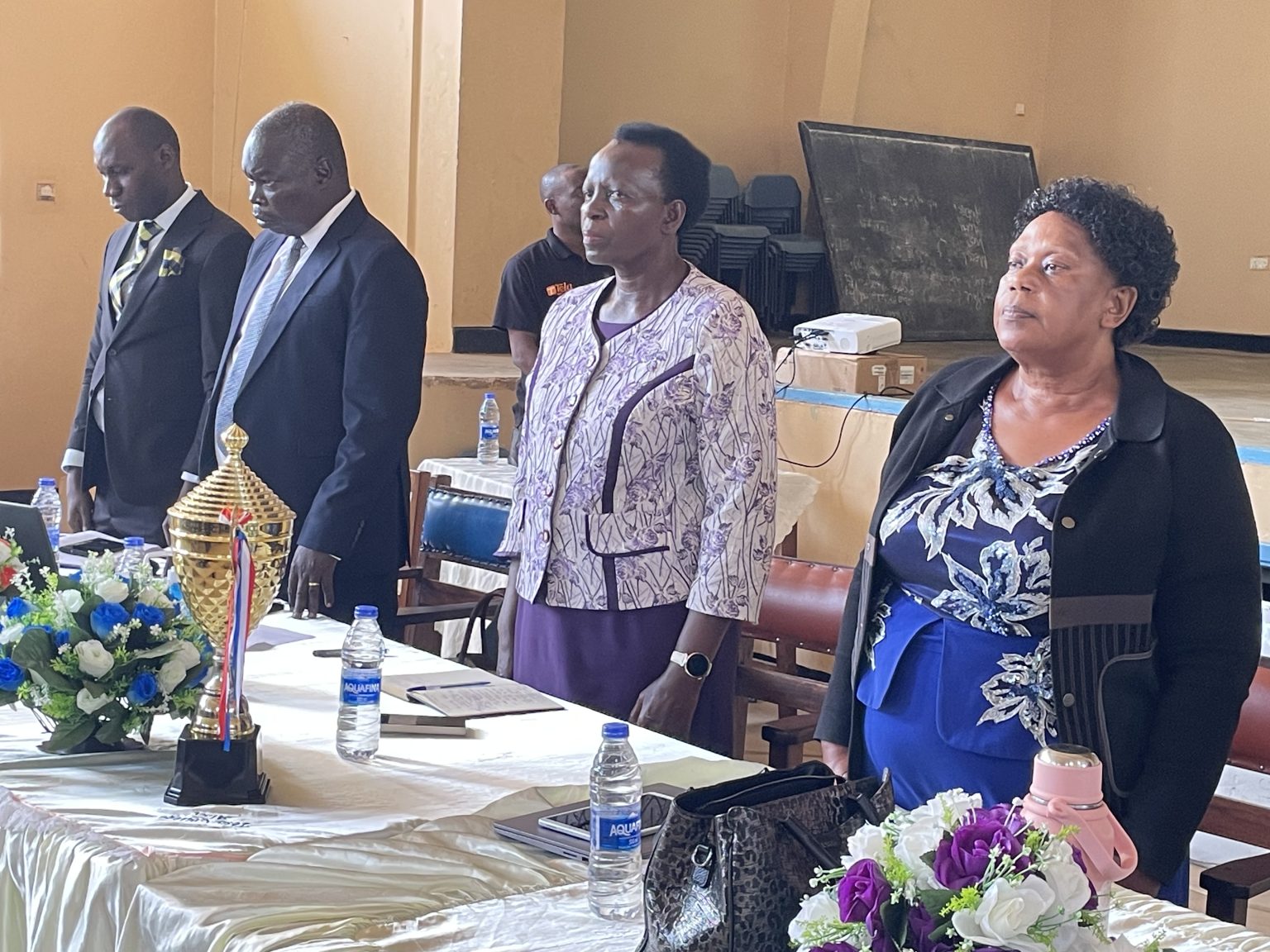
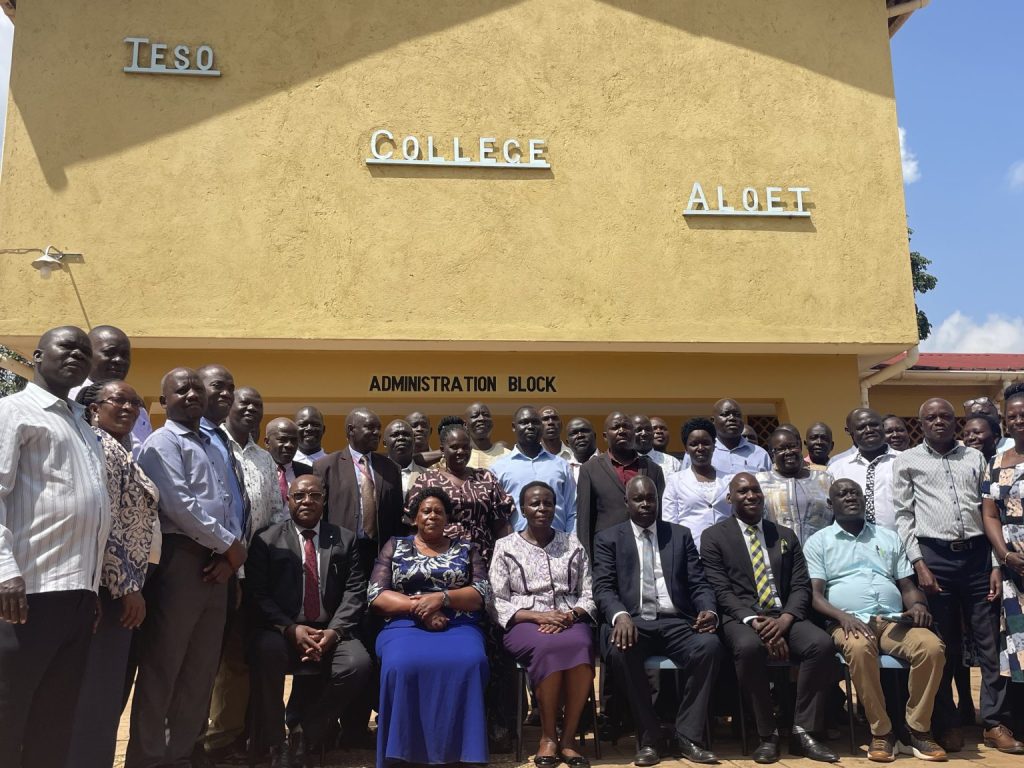
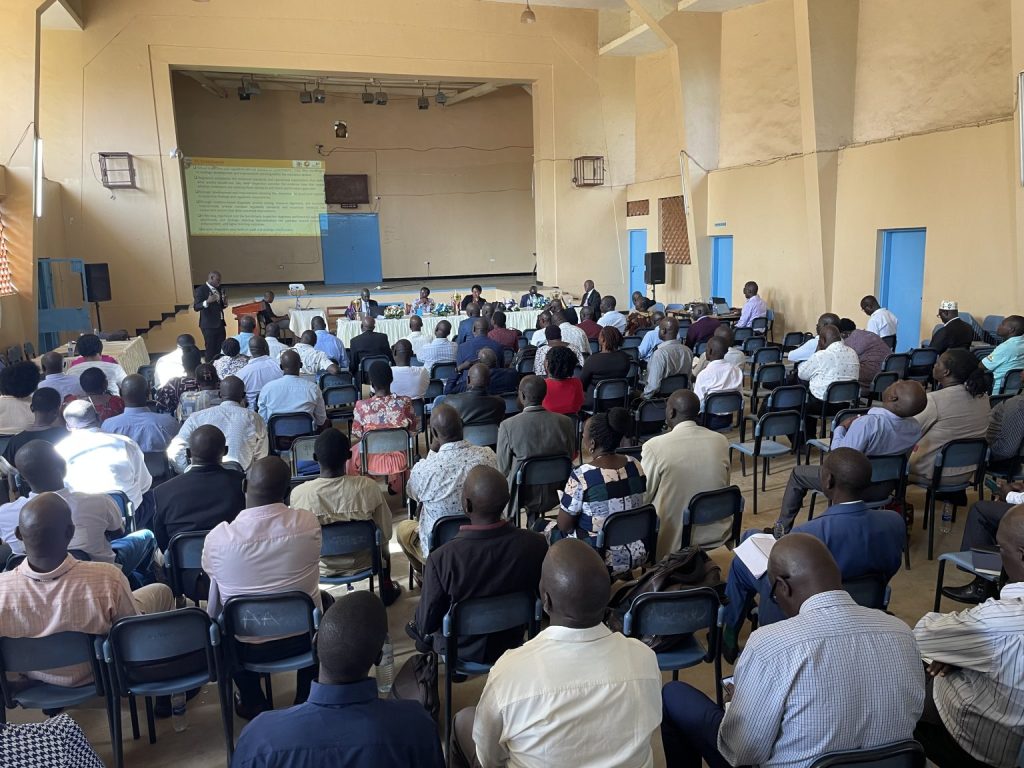
The warning was issued during a training workshop for inspectors of schools from Northern and West Nile districts held at Teso College Aloet in Soroti.
Inspectors of schools also recommended that government should use TELA performance reports as a basis for paying teachers, arguing that it would improve accountability and service delivery.
As part of its mandate to enforce education standards, the Ministry, through the Directorate of Education Standards (DES), said schools and teachers who fail to effectively use the TELA system risk sanctions, including salary-related penalties for non-compliant staff.
The warning follows the release of the Ministry’s TELA performance report for Term One 2026, which ranked the best and worst-performing regions, districts, and schools during the Northern Uganda inspectors’ workshop in Soroti City.
According to the report presented by Director of Education Standards, Francis Atima, urban schools registered better performance compared to rural and borderline schools.
The report indicated poor performance across all local governments in secondary schools during the first term of 2026, with the Lango sub-region ranked last at only 7 percent.
In terms of teachers’ attendance and teaching hours, districts such as Oyam, Apac, Amolatar, and Otuke emerged among the worst performers in the Lango sub-region.
“Hasn’t government done what it takes to ensure schools perform well? Where is the challenge preventing teachers from complying? The blame is now on inspectors of schools. You must seek alternatives that can help your schools improve performance on the TELA system,” Atima said while presenting the report during the workshop.
However, the report noted commendable improvement in primary schools across several sub-regions during Term One 2026, although Elgon, Lango, and Toro were singled out as areas that still require improvement.
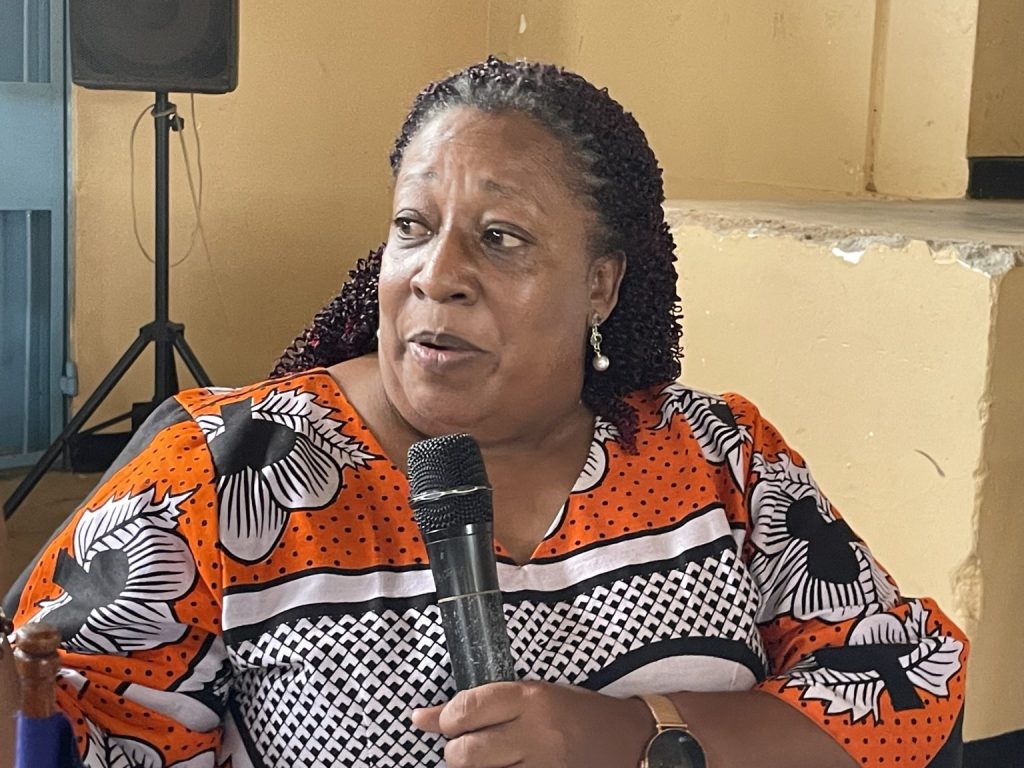
Speaking during the training, the Permanent Secretary in the Ministry of Education and Sports, Dr. Kedrace Turyagyenda, urged inspectors to intensify awareness about the TELA system among teachers.
She said inspectors should clearly explain how the system improves classroom management, attendance monitoring, and overall teaching effectiveness.
“There shall be no excuses for poor performers. DEOs and inspectors have a great role to play in ensuring schools comply. This time, we do not want learners studying for seven years and then missing examinations. We do not want to see learners getting ‘X’ grades,” Turyagyenda said.
Inspectors welcomed the government’s proposal to rely on TELA performance reports in assessing teachers, saying it would serve as a wake-up call for poor performers.
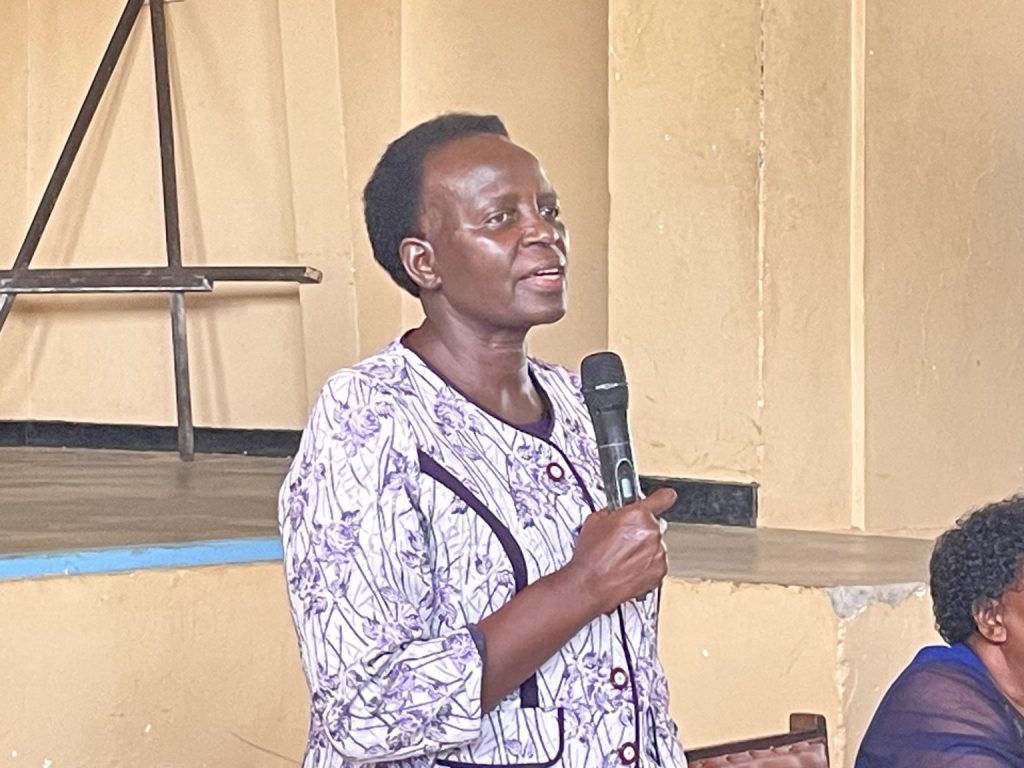
Abello Proscovia, a district inspector attached to Gulu Local Government, said the move would compel teachers, inspectors, and education officials to take their responsibilities seriously.
“If government implements this move, it will awaken lazy and non-complying officials, including inspectors who fail to supervise schools,” she said.
Inspectors also praised the TELA system for easing their work through improved digital data collection and monitoring.
However, they cited challenges affecting effective school inspections, including poor internet connectivity and inadequate facilitation for routine monitoring activities.
