
By Kabuye Ronald
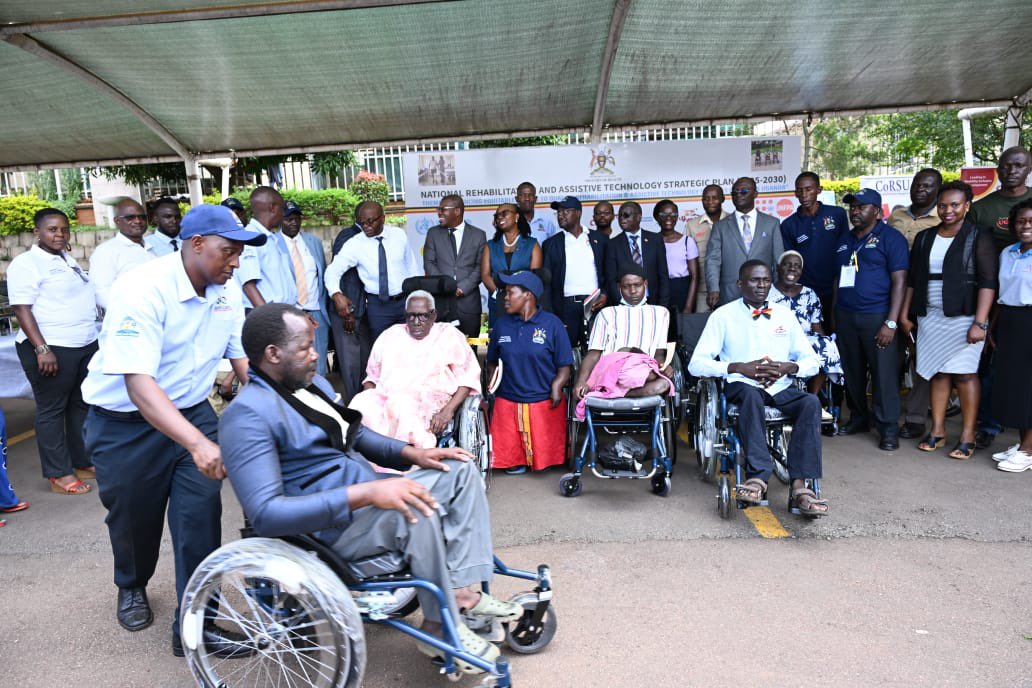
The Government of Uganda has officially launched the National Rehabilitation and Assistive Technology Strategic Plan (NaRAT) 2025–2030, a landmark policy framework aimed at strengthening rehabilitation services and expanding access to assistive technology across the country.

The five-year strategy, unveiled at the Ministry of Health headquarters in Kampala, seeks to integrate rehabilitation and assistive technology into all levels of the health system while prioritising the provision of affordable and appropriate assistive devices for persons living with disabilities and other vulnerable groups.
Launching the strategic plan, Ministry of Health Permanent Secretary Dr. Diana Atwine described rehabilitation as a critical pillar of public health and an essential component of Universal Health Coverage (UHC).
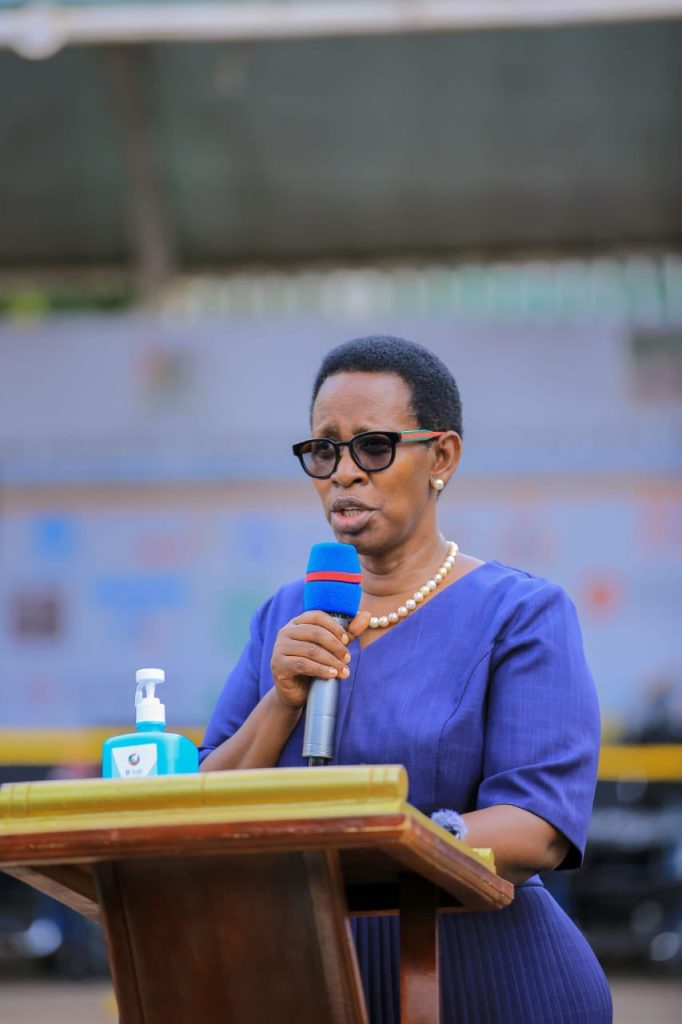
“Rehabilitation is a core public health service alongside promotion, preventive, curative and palliative care and is integral to Universal Health Coverage,” Dr. Atwine said. “It is a core component of the continuum of care across service delivery platforms that should be made available to all Ugandans.”
She noted that rehabilitation services play a vital role in improving functioning, supporting participation in education and employment, reducing secondary complications, preventing unnecessary hospitalisations, and enabling individuals to live socially and economically productive lives.
Dr. Atwine said the Ministry of Health has already integrated rehabilitation and assistive technology services into National Referral Hospitals and Regional Referral Hospitals, adding that the new strategic plan will further streamline these services into Uganda’s broader health system.
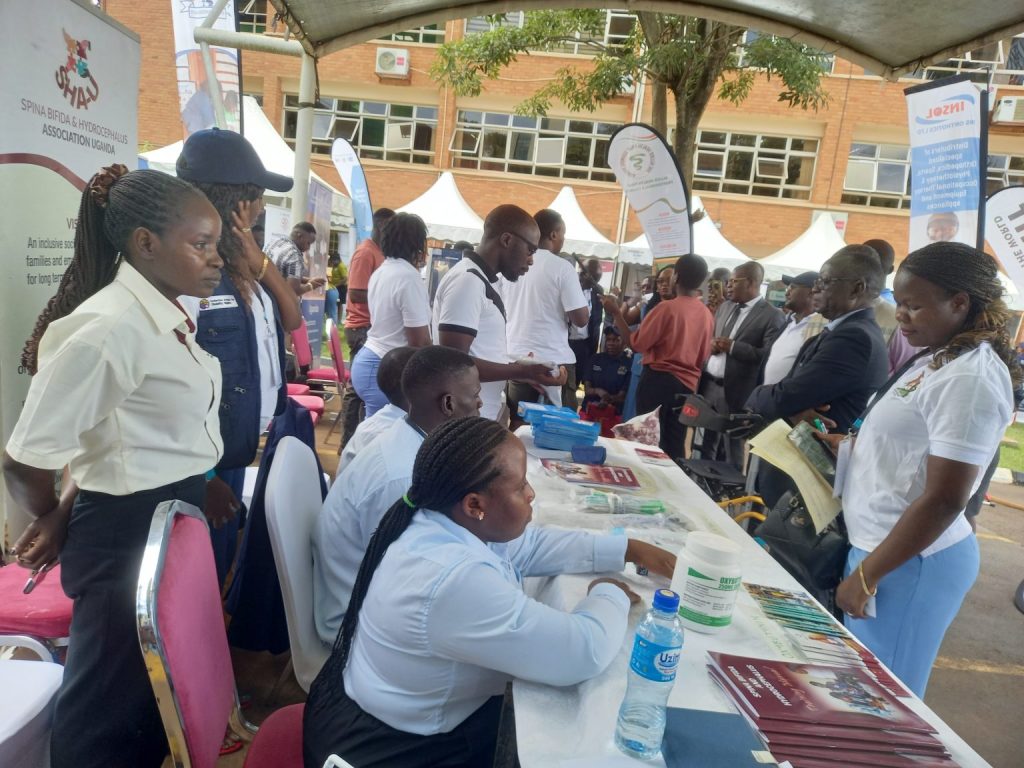
The NaRAT Strategic Plan is Uganda’s first comprehensive framework dedicated to rehabilitation and assistive technology. It aligns with key national policy documents including the National Health Policy III, the National Development Plan IV, the Ministry of Health Strategic Plan II, and the Roadmap Towards Universal Health Coverage in Uganda.
The strategy was developed following a national assessment guided by the World Health Organization’s Systematic Assessment of Rehabilitation Situation (STARS) approach.
According to the Ministry of Health, Uganda continues to face a major unmet need for rehabilitation and assistive technology services due to increasing cases of non-communicable diseases, injuries, population ageing, developmental conditions, and limited health system capacity.
The plan outlines six strategic objectives focusing on leadership and governance, financing, workforce development, infrastructure expansion, service delivery, assistive technology provision, and evidence generation.
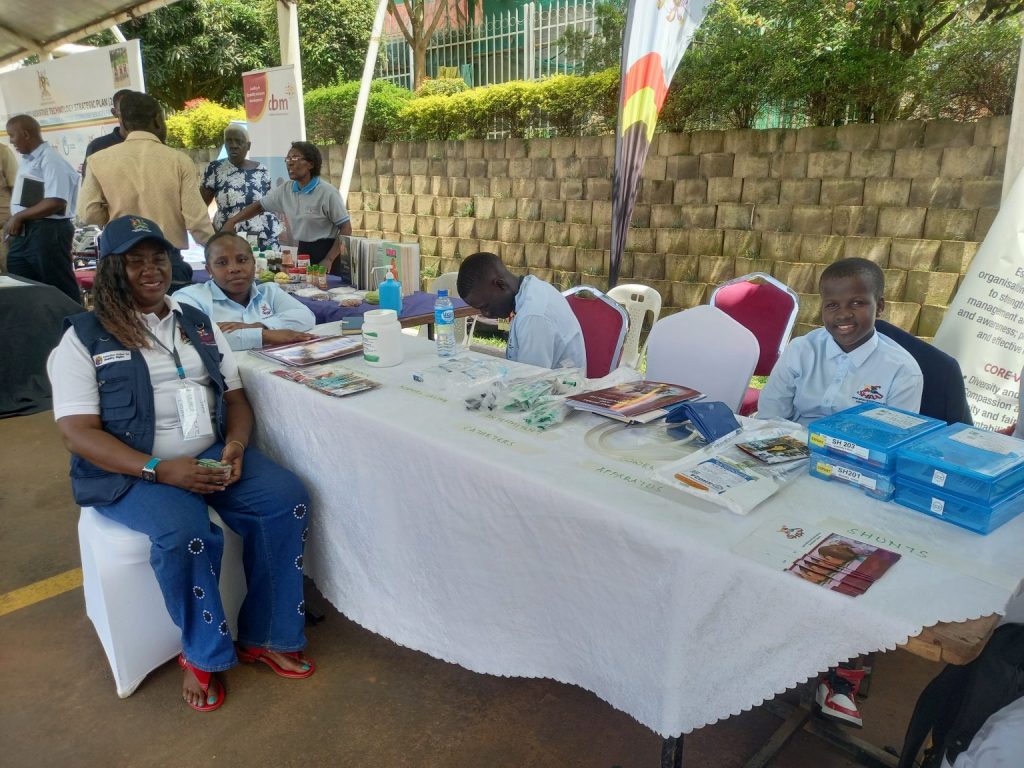
A key focus of the strategy is improving access to assistive products such as wheelchairs, hearing aids, spectacles, crutches, orthoses, and pressure relief mattresses.
Preliminary findings from the Rapid Assistive Technology Assessment (rATA) indicate that 34 percent of Ugandans experience functional limitations, while approximately 12 million people require one or more assistive products. However, only four percent currently use assistive devices, with affordability remaining one of the biggest barriers.
The report further reveals that nearly 90 percent of people with functional limitations cannot afford assistive products, forcing many families to rely on personal savings or support from relatives and friends.
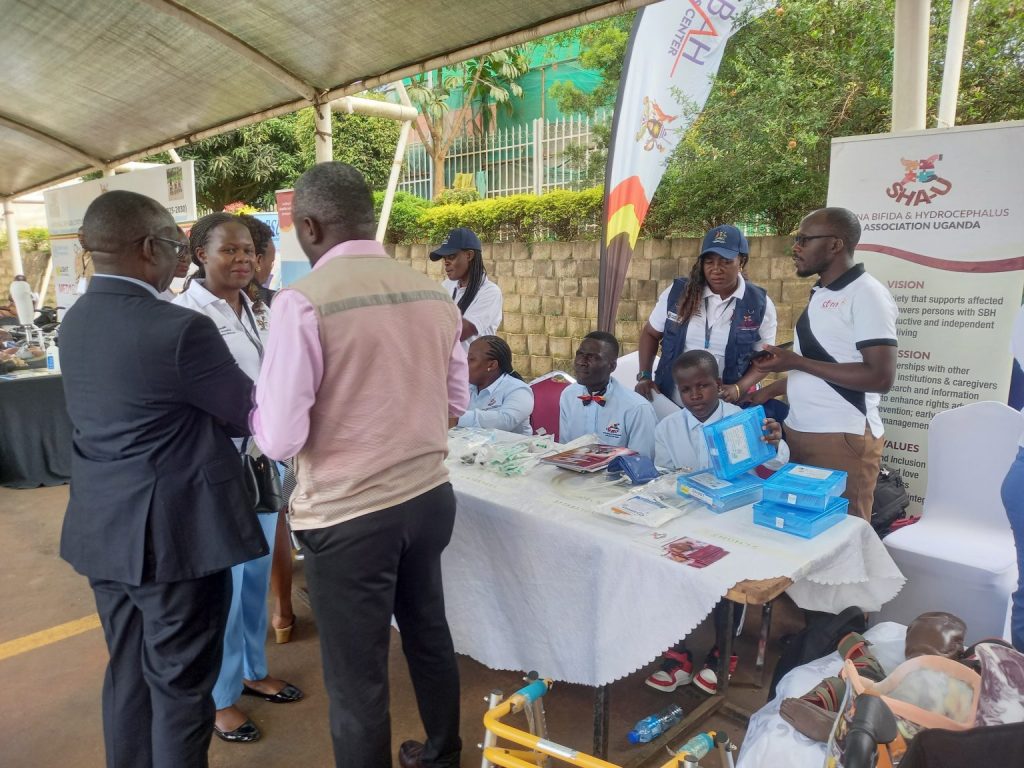
Under Strategic Objective Five, the government plans to establish a national assistive technology framework to guide the importation, production, fabrication, distribution, maintenance, and repair of assistive products. The strategy also seeks to scale up local production of assistive devices in both public and private sectors.
Speaking during the launch, Christian Blind Mission (CBM) Country Director Jackie Kwesiga emphasised the need for inclusive implementation of the strategy.
“We must ensure that persons with disabilities are not only beneficiaries but also active leaders, advisors, implementers and part of shaping the future of rehabilitation and assistive technology services in Uganda,” Kwesiga said.
She added that the success of the strategy would be measured by its impact on ordinary Ugandans.
“The true success of this strategic plan will be measured by the child who can access school because they received an appropriate assistive product, by the mother who receives dignified maternal healthcare, the elder person who regains mobility and independence, and the young person who secures employment because rehabilitation services enabled participation,” she said.
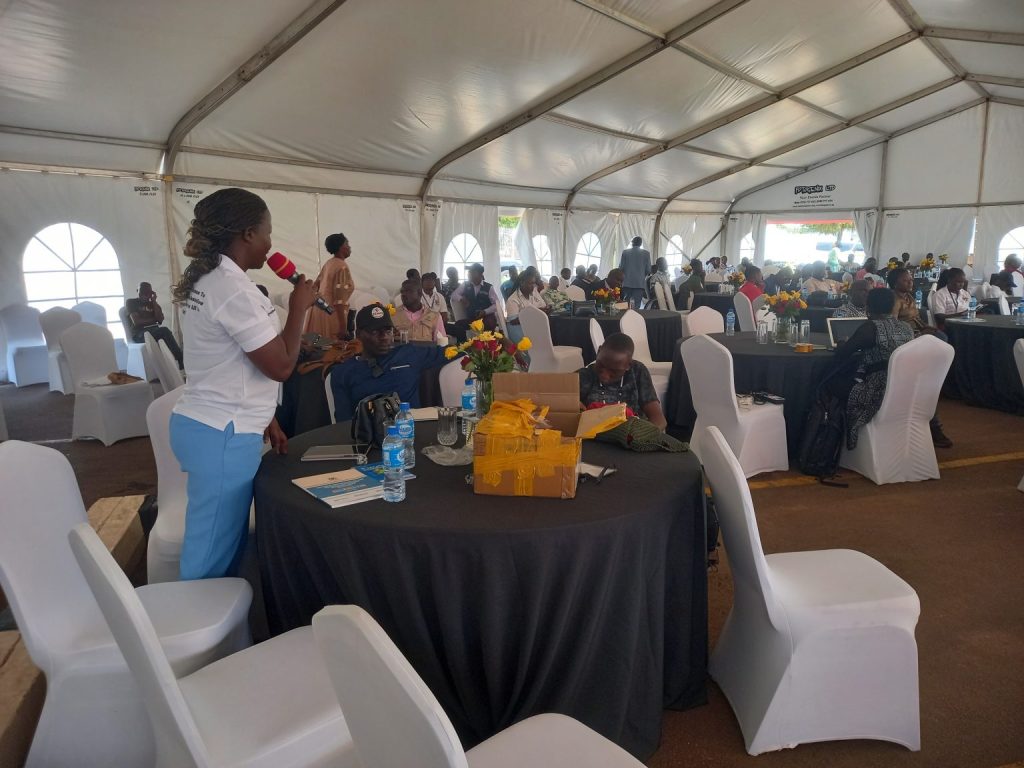
The Executive Director of Spina Bifida and Hydrocephalus Association Uganda (SHAU), Ruth Nalugya, applauded the government for developing the strategic plan but urged authorities to ensure its full implementation.
Nalugya also cautioned against distributing assistive devices without proper assessment.
“Inappropriate assistive devices can worsen the condition of users,” she warned, calling for proper evaluation before devices are issued to beneficiaries.
The strategic plan is expected to be implemented through coordinated efforts involving the Ministry of Health, development partners, district health structures, rehabilitation professionals, and community-level health workers.
The Ministry estimates that implementation of the strategy will require between US$187.3 million and US$221.5 million over the five-year period, depending on the implementation scenario adopted.
Officials say the investment will strengthen Uganda’s rehabilitation system, improve access to assistive technology, and enhance the quality of life for millions of Ugandans living with disabilities and functional limitations.
