
By Rachael N Namuli
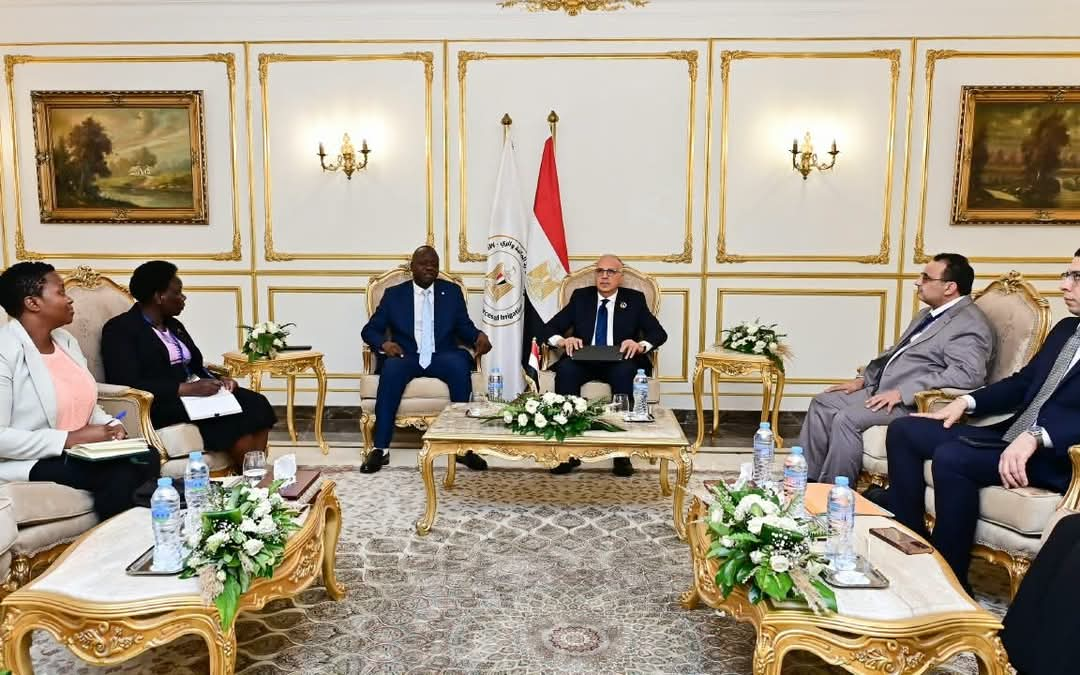
Uganda’s State Minister for Fisheries, Robert Migadde Ndugwa, has held bilateral talks with his Egyptian counterpart on water resources and irrigation to strengthen cooperation in fisheries, water weed control and sustainable water management.

The discussions took place on the sidelines of the 9th edition of the 2026 Cairo Water Week conference in Egypt, where the two ministers explored areas of mutual interest between the two countries.
The talks focused on cooperation in water resource management, combating aquatic weeds, improving sanitation along the River Nile, upgrading fish landing sites and controlling water weeds in Uganda.
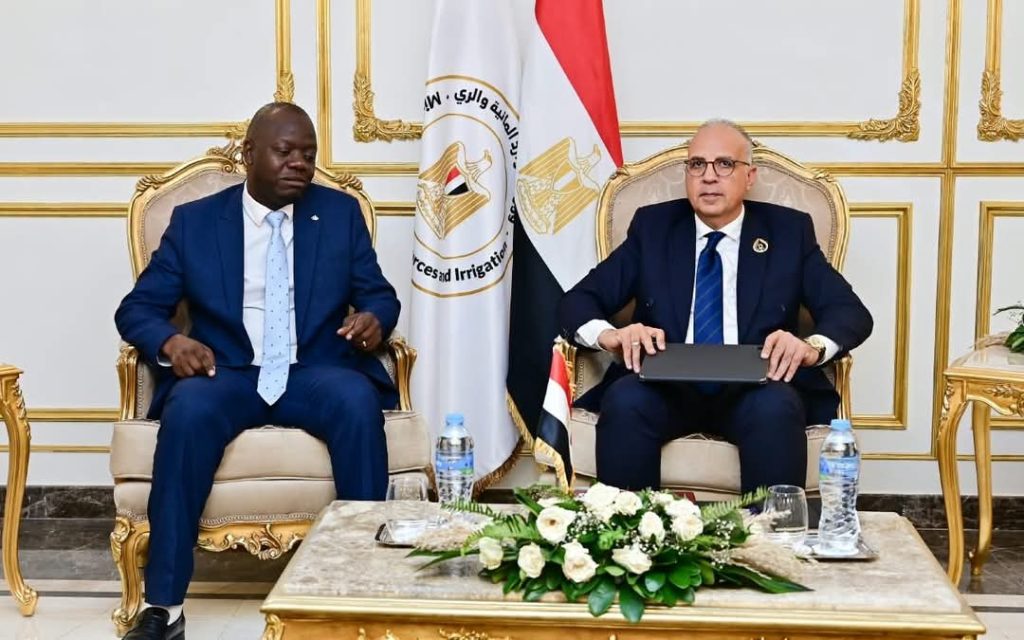
“We also discussed how to utilise the Nile for fisheries, irrigation and power generation,” Minister Migadde said.
Egypt’s Minister of Water Resources and Irrigation, Dr Hani Atif Nebhan Sewilan, emphasised the depth of the historical and fraternal relations between the governments of Egypt and Uganda, reaffirming their commitment to continued cooperation for the mutual benefit of the two nations.
Dr Sewilan highlighted the longstanding collaboration between the two countries in combating aquatic weeds, which dates back to 1999 and has been implemented through six phases covering water bodies including Lake Victoria, Lake Albert and River Kagera, among others.
The meeting also discussed the proposed fish market project, which is expected to improve fish distribution and marketing, reduce post-harvest losses and support livelihoods in local communities.
Dr Sewilan further informed Minister Migadde that the Egyptian government would extend support worth US$20 million to Uganda to explore the acquisition of modern machinery for controlling aquatic weeds and promoting fish farming.

He also pledged to visit Uganda to explore additional areas of bilateral cooperation.
The 9th edition of Cairo Water Week 2026 was held under the theme, “Water as a Catalyst for Peace, Shared Prosperity and a Sustainable Planet.”
The conference also sought to explore strategies for sustainable water management amid the challenges posed by a changing climate.
