
By Kabuye Ronald
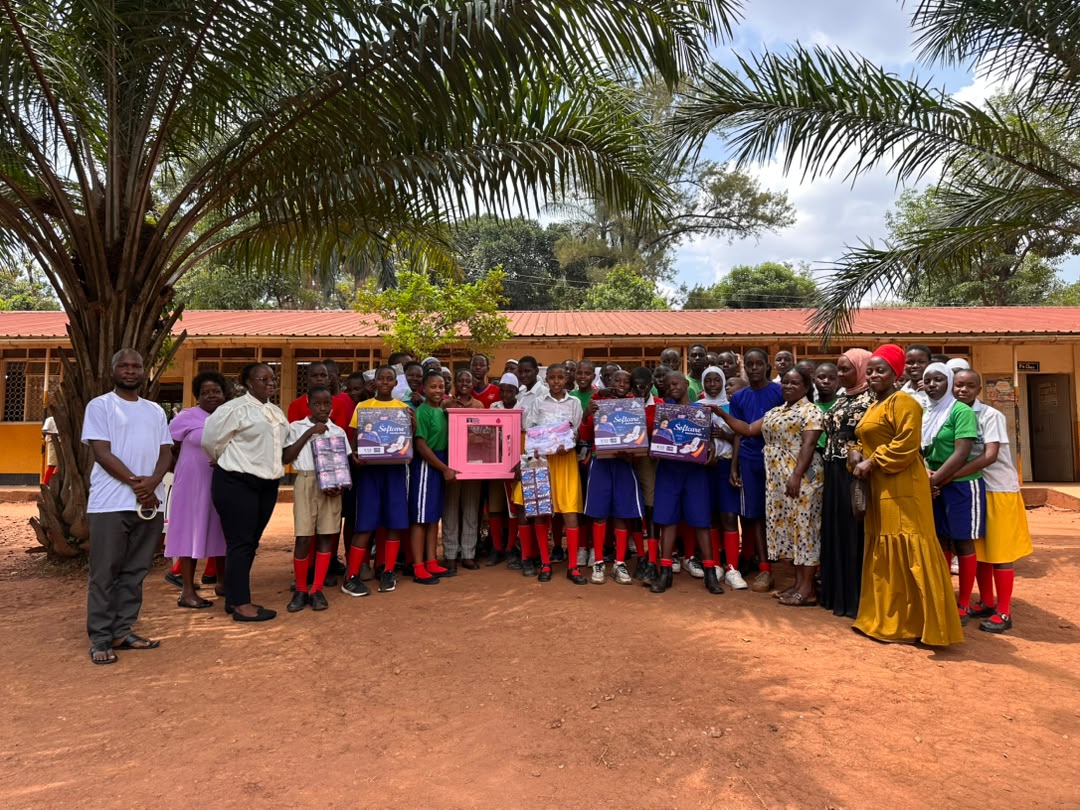
Girls in public schools are set to benefit from improved access to emergency sanitary pads following the introduction of special sanitary pad dispensers aimed at addressing menstrual poverty, stigma and school absenteeism.

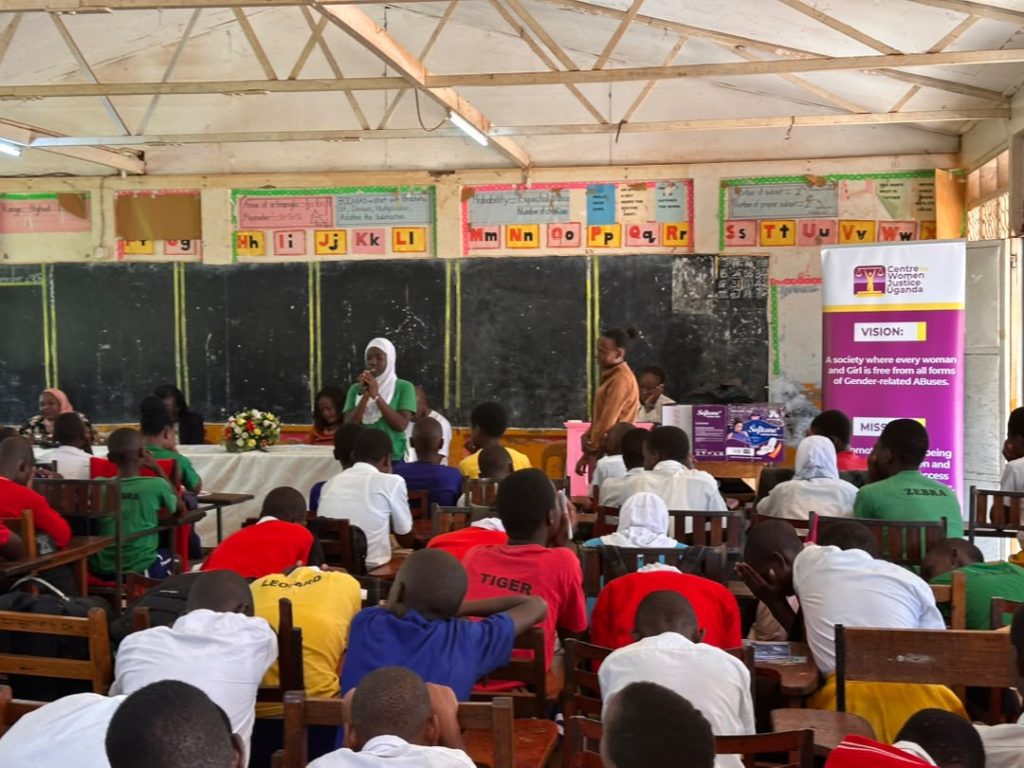
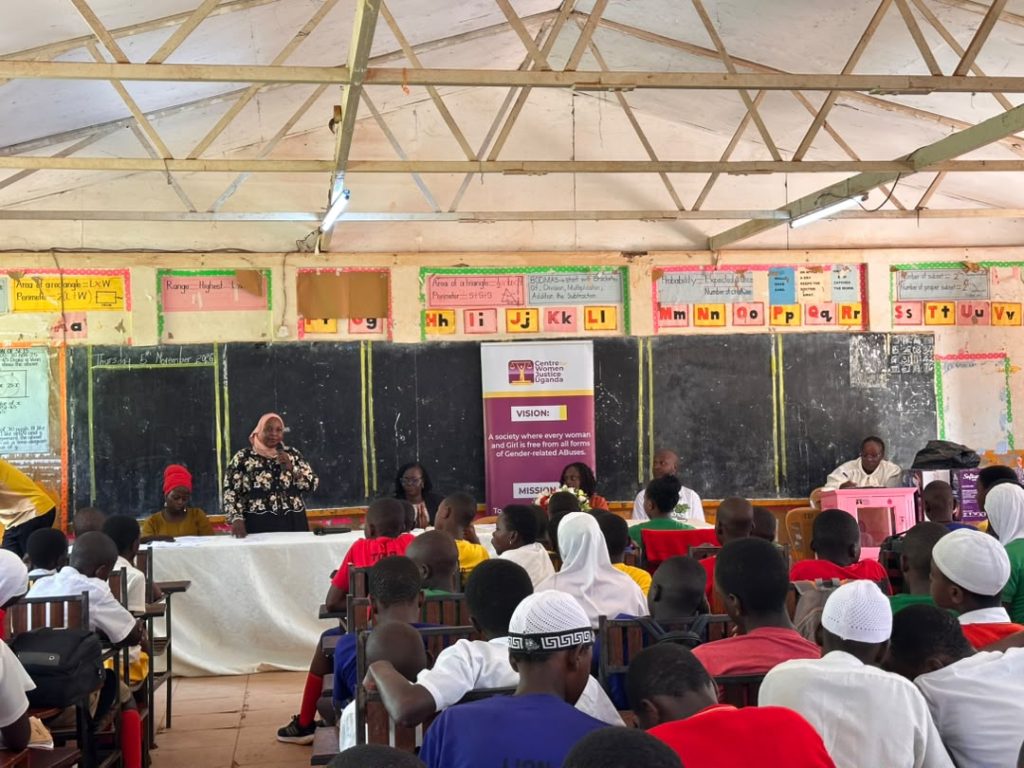
The initiative, spearheaded by the Centre for Women Justice Uganda, was launched at Makerere University Primary School in Kampala, providing girls with discreet access to sanitary pads whenever their menstrual periods begin unexpectedly while at school.
Speaking during the launch, Immaculate Owomugisha, Executive Director of the Centre for Women Justice Uganda, said the innovation was developed in response to challenges faced by girls whose menstrual periods begin during school hours, particularly those from financially disadvantaged families who cannot afford sanitary pads.
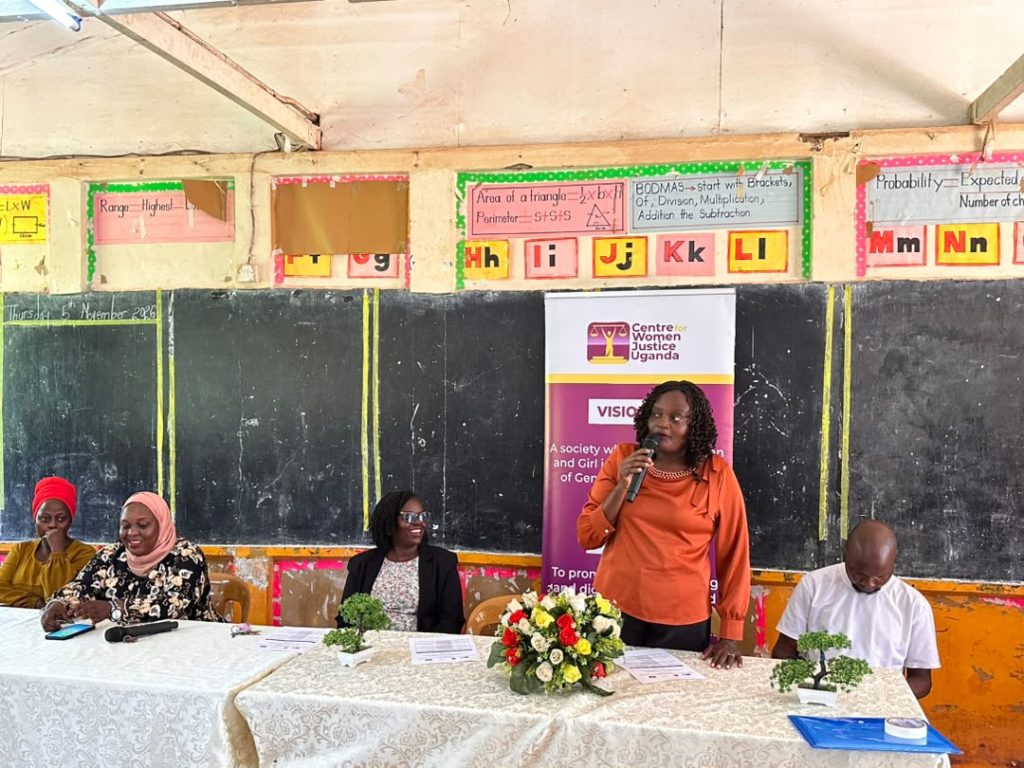
“Most of these girls struggle with menstrual health, especially when their periods begin while they are in class. Some do not carry sanitary pads because they cannot afford them. We do not want any girl to miss school simply because her period has started,” Owomugisha said.
The dispensers operate on a model similar to emergency condom dispensers, allowing girls to access sanitary pads through the school administration, attend to their personal hygiene needs and return to class without unnecessary embarrassment or disruption to their learning.
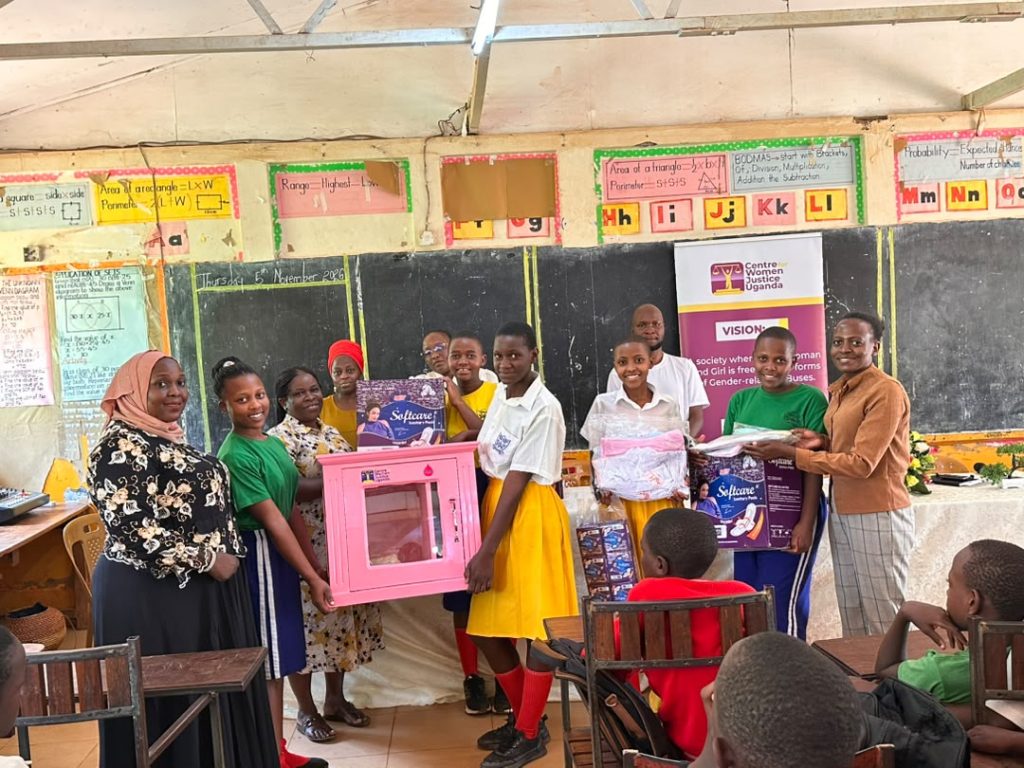
Owomugisha explained that beyond providing emergency menstrual supplies, the initiative seeks to restore girls’ dignity, promote personal autonomy and challenge menstrual stigma and discrimination, which often leave girls afraid of being laughed at or singled out by their peers.
She noted that the initiative is particularly targeting government schools because many learners come from households struggling to meet basic needs, making sanitary products an additional financial burden.
According to Owomugisha, a packet of sanitary pads currently costs approximately UGX 3,500, with the cheapest options going for about UGX 2,000, putting them beyond the reach of some families.
“Some parents are struggling to provide food for their families. They are faced with difficult choices, and menstrual hygiene may not always be prioritised. We are stepping in to support both the girls and their parents,” she said.
The launch marks the second school to benefit from the initiative, which initially started as a community-based intervention in Wakiso District. The organisation plans to extend the programme to more government schools, including another institution in the Kamwokya area.
To ensure sustainability, the Centre for Women Justice Uganda is working with local leaders, religious institutions and surrounding communities to establish a community-supported system through which schools can receive seed grants to replenish sanitary pads as supplies run low.
Owomugisha emphasised that the initiative is intended to be community-owned, with local stakeholders taking responsibility for sustaining the dispensers rather than relying entirely on the organisation.
She also called on Government, particularly the Ministries of Education and Sports and Health, to consider adopting and scaling up the initiative across public schools.

She said institutional support and collaboration would help address the scarcity of sanitary products, strengthen menstrual health support systems and ensure that girls remain in school without interruptions or the embarrassment associated with unexpected menstruation.
Mayanja Duncan, Chairperson of Makerere University Mukwenda Zone, applauded the Centre for Women Justice Uganda for introducing the initiative, noting that many girls in his area have experienced interruptions to their education because they cannot afford sanitary towels.
He urged Government and other organisations to support similar interventions by establishing more sanitary pad dispensers in schools, saying collective efforts are needed to ensure that girls from vulnerable households have access to essential menstrual hygiene products.
The intervention comes amid persistent concerns about menstrual poverty and its impact on girls’ education, particularly among learners from economically disadvantaged households.
By providing discreet access to sanitary pads within schools, the initiative seeks to ensure that menstruation does not become a barrier to school attendance, classroom participation or academic progress.
The Centre for Women Justice Uganda hopes to expand the programme to more public schools, ensuring that no girl is forced to leave the classroom or sacrifice her education simply because she cannot access a sanitary pad.
