
By Kabuye Ronald
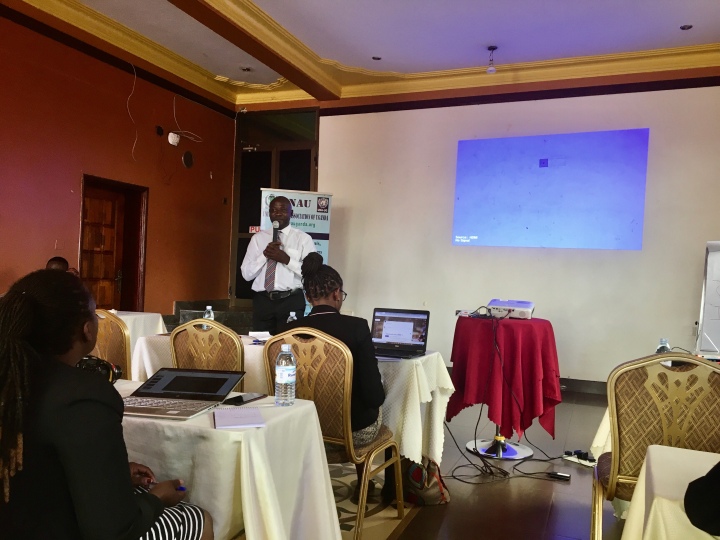
Climate change has been cited out has one of the contributors t the rampant Malaria disease in Uganda and other health problems according to the over 20 years experienced environmental journalist Gerald Tenywa.

Malaria is a life-threatening disease caused by parasites that are transmitted to people through the bites of infected female Anopheles mosquitoes. It is preventable and curable.
According to the World Health Organization (WHO) report, in 2020, there were an estimated 241 million cases of malaria worldwide. The estimated number of malaria deaths stood at 627 000 in 2020.
The WHO African Region carries a disproportionately high share of the global malaria burden. In 2020, the region was home to 95% of malaria cases and 96% of malaria deaths. Children under 5 accounted for about 80% of all malaria deaths in the Region.
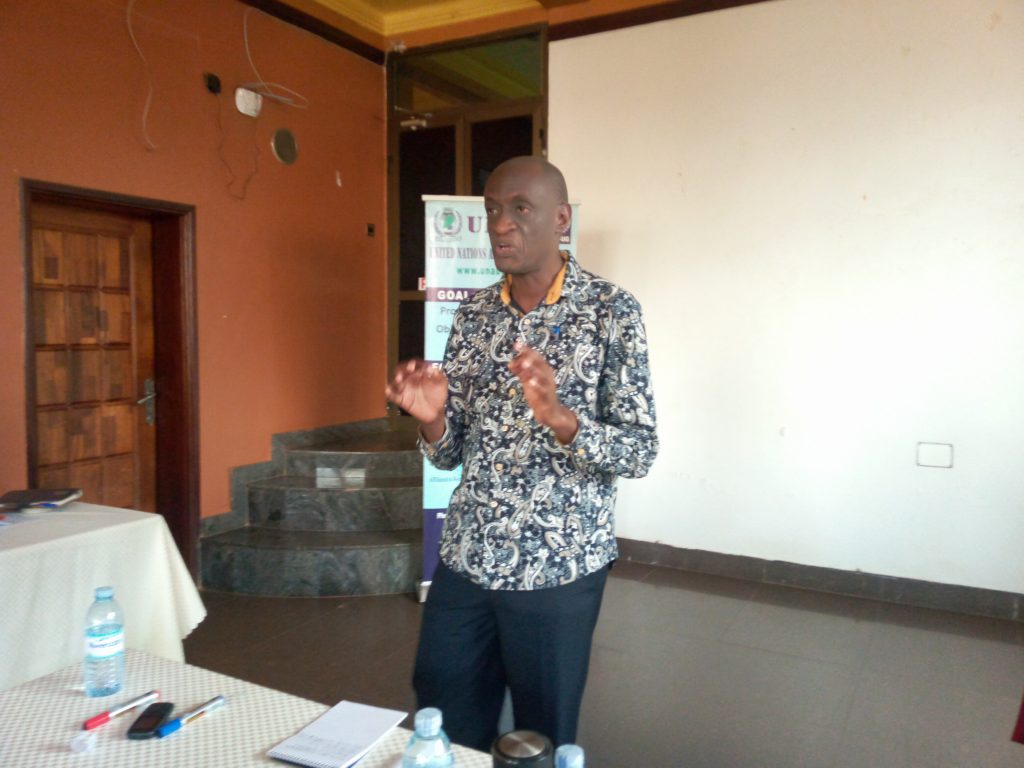
Environmental journalist Tenywa says that climate change affects human health. Giving an example of malaria, which is spread by mosquitoes becoming a rampant disease in Uganda. He says this is because climate change has expanded their breeding grounds since even the communities have failed in their approaches to address the problem.
To prove this, Tenywa said that mosquitoes never used to breed in south West Uganda and highland areas but now because of climate change such areas are becoming warmer and providing a better breeding ground for mosquitoes to breed and hence causing malaria disease infection to people.
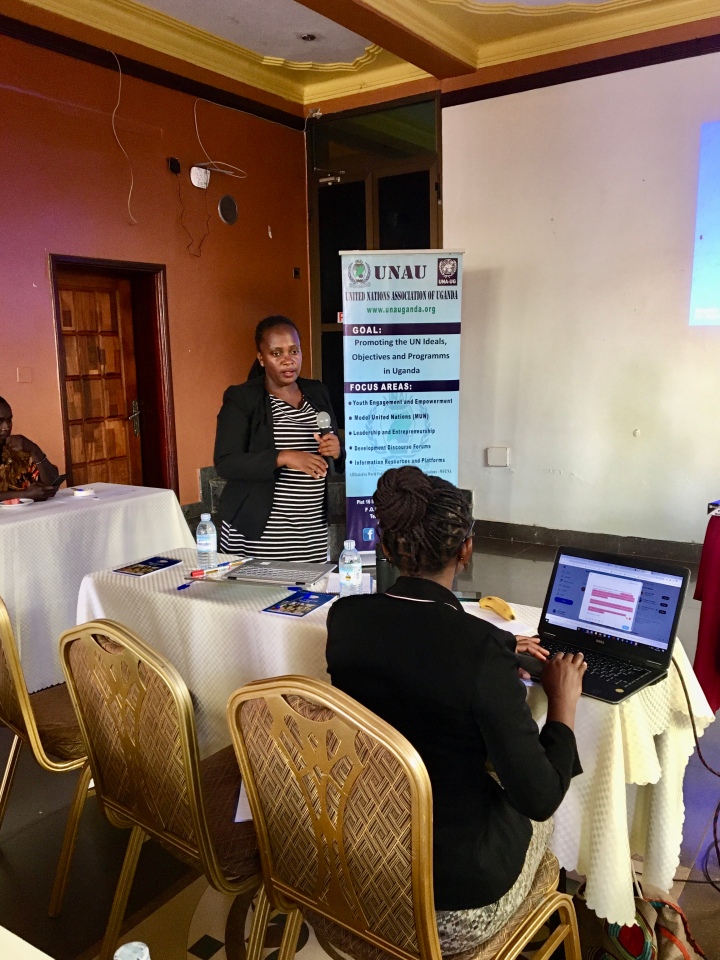
“To make matters worse, the people in those areas are so vulnerable since they are not resistant to malaria and yet the infrastructure in highland and mountain areas is poor. The medical support is also very weak since people have to travel 40 or 50 kilometers to access medical support and those closer to the medical Centre you find that the facilities have no required medicine. “said Tenywa
Miriam Tarwiisa, the regional coordinator East Africa for Dunia Nzuuri Climate Outreach, said that the country and communities to ensure development, they have to consider environmental conservation and climate change in equal measures.
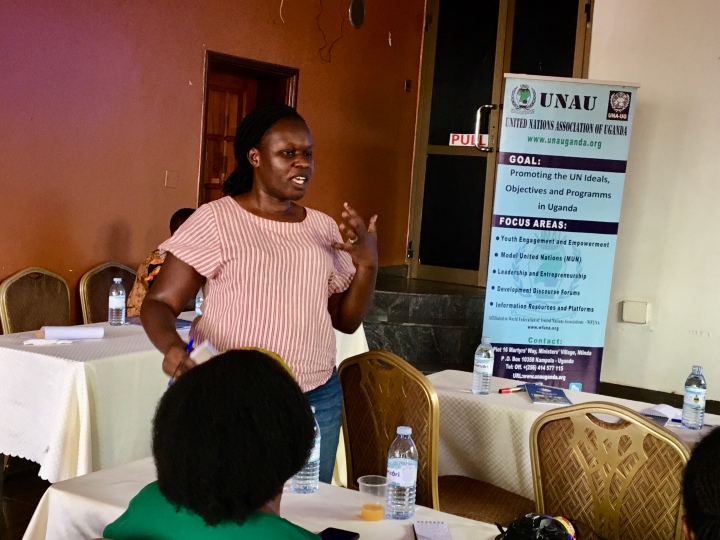
Miriam called for government specifically focused allocation of resources since the policies and programs are already in place and what is lacking is the funding the prioritized areas of investments. Adding that the investment should also be made in research and documentation to know who needs what.
Richard Baguma Tinkasimiire, the Secretary General of United Nations Association of Uganda- UNAU, an organization that organized the journalists engagement on Climate and Gender and supported by UNAFinland with the aim of having the media make a contribution in acceleration of SDGs in Uganda and East Africa. said one of the most important interventions one can make on climate change is information dissemination, community sensitization and creating champions.
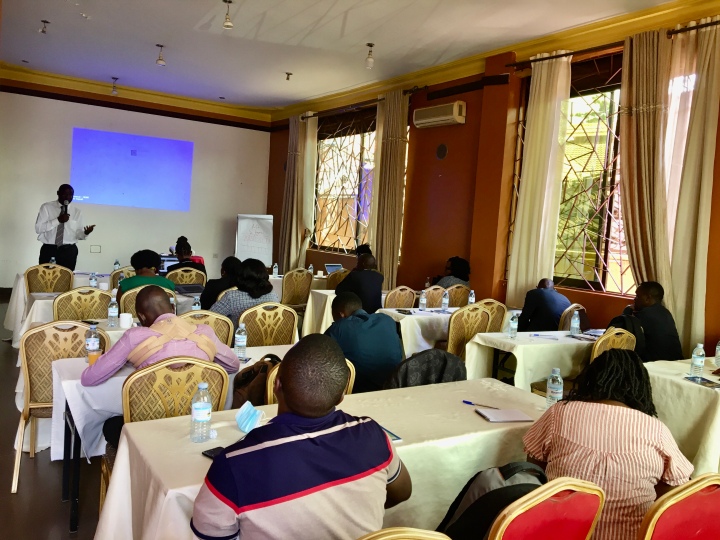
Baguma says he is engaging journalists to become champions and ambassadors because their mirror to the society.
In the same way, UNAU Programs Manager Linda Asaba noted that famine and hunger happening in Uganda is attributed to climate change. She demanded for action since developing countries like Uganda are more affected by climate change before urging communities to get involved in the fight to stop climate change.
