
By Kabuye Ronald
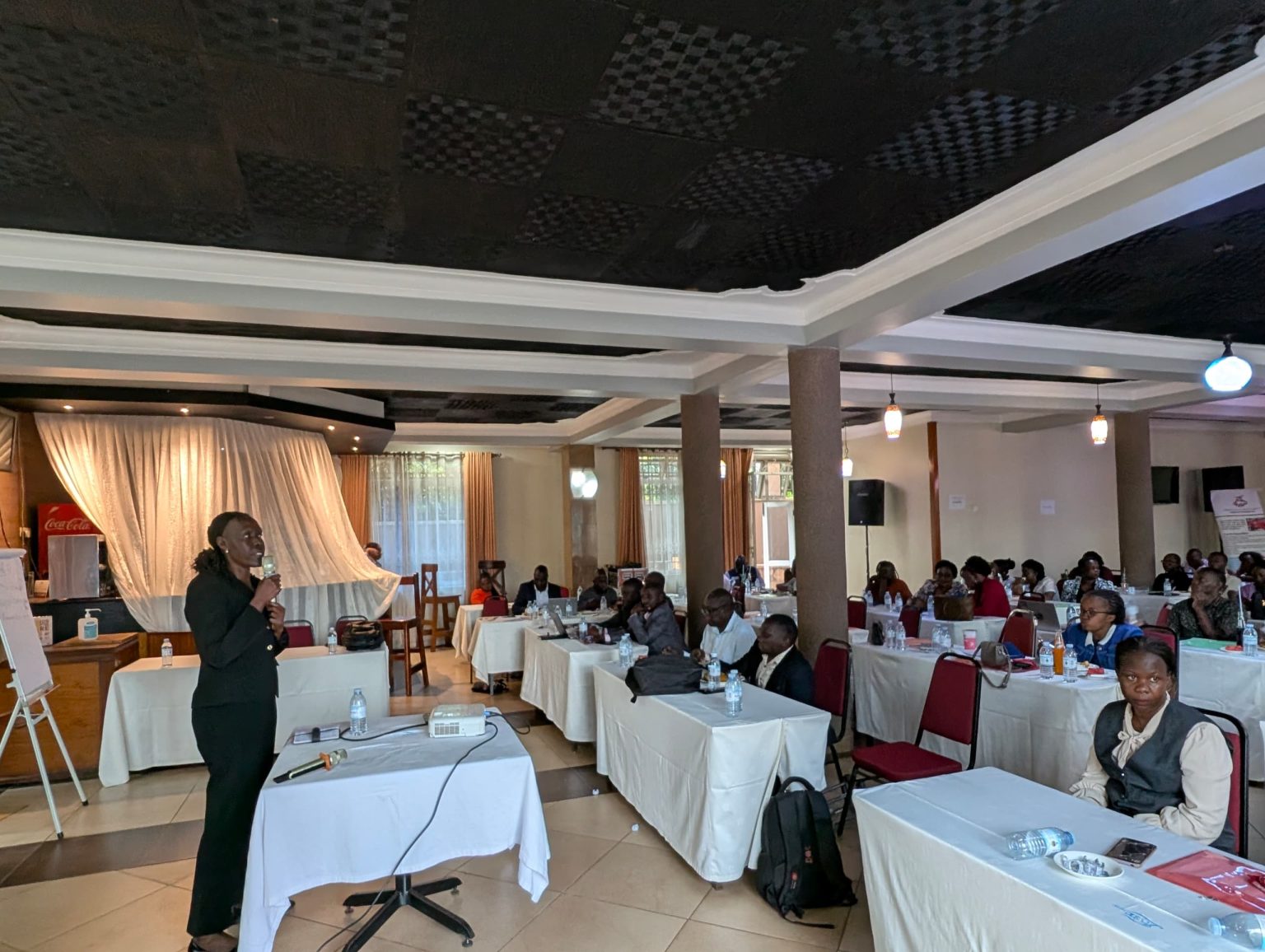
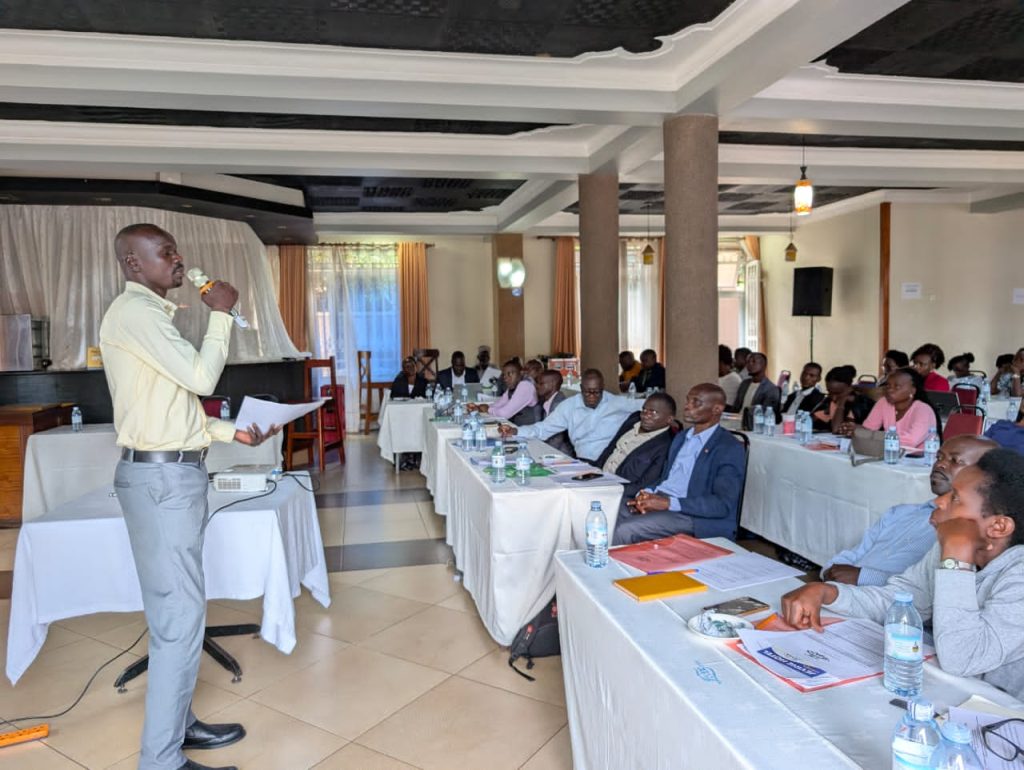
As part of its commitment to good governance and accountability, the Spina Bifida and Hydrocephalus Association Uganda (SHAU) on Saturday, May 9, 2026, held its Annual General Meeting (AGM) at Jevine Hotel, where several key issues were discussed and adopted.

Among the matters approved during the meeting were the adoption of previous AGM minutes, the chairperson’s report, treasury report, and management report. Delegates also reviewed SHAU’s constitution to align it with the country’s evolving needs, while by-elections were conducted to fill vacant leadership positions.
Spina Bifida and Hydrocephalus are serious medical conditions requiring specialized care. Hydrocephalus is characterized by a buildup of fluid in the brain’s cavities, increasing pressure on the brain. Spina Bifida is a birth defect in which the spinal column does not develop properly, leaving part of the spinal cord and nerves exposed.
The best preventive measure for Spina Bifida is adequate intake of folic acid before and during pregnancy. Specialized treatment for both conditions is currently available at selected hospitals, including Mulago National Referral Hospital, CURE Children’s Hospital in Mbale, and Mbarara Regional Referral Hospital.
Speaking during the AGM, SHAU Executive Director Ruth Nalugya emphasized the importance of accountability and good governance from grassroots communities to national leadership structures.
She urged delegates to mobilize and organize members within their communities so they can easily access opportunities and benefit from empowerment programs.
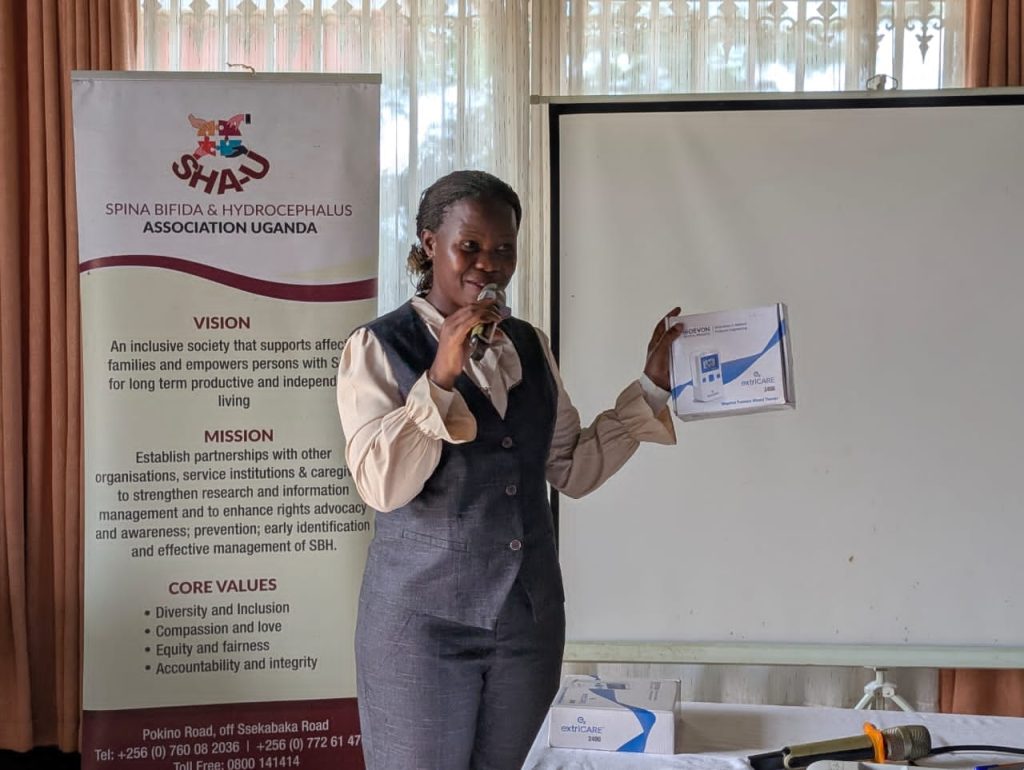
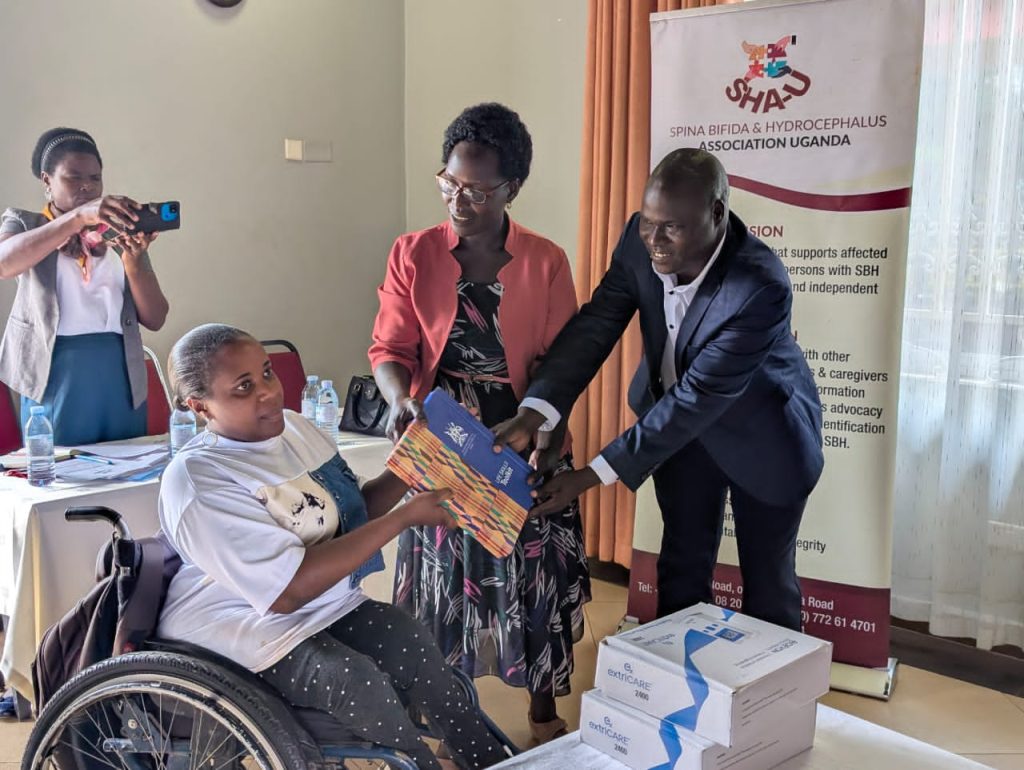
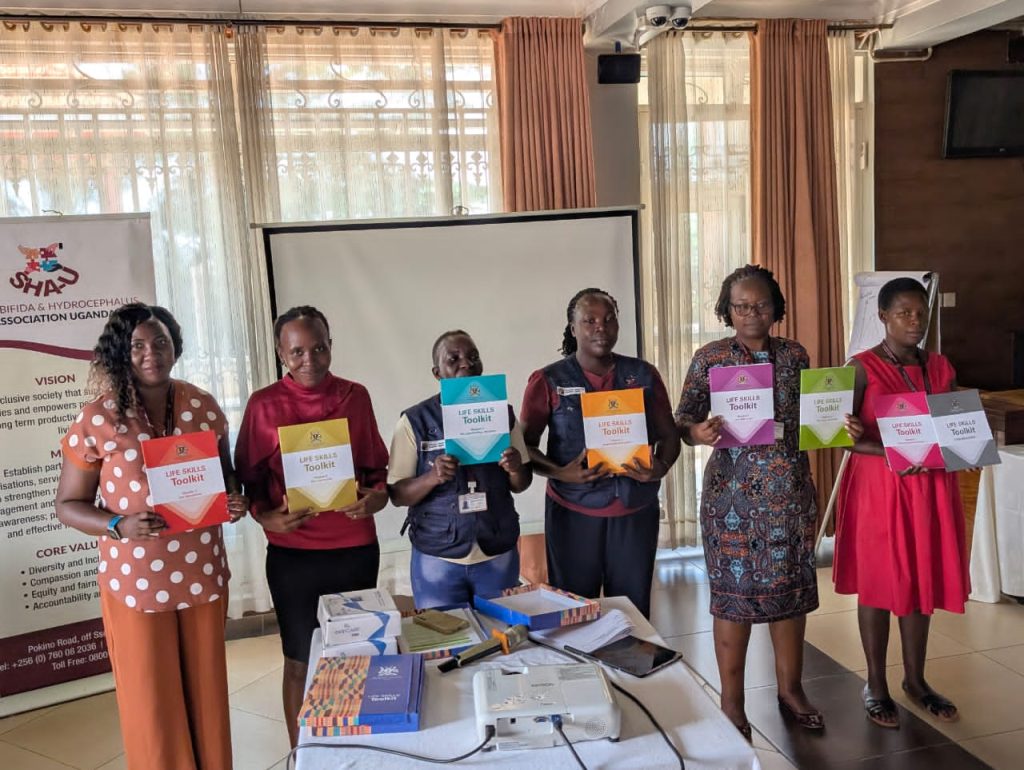
During the event, SHAU also distributed life-skills training toolkits and a Wound VAC (Vacuum-Assisted Closure) machine, a medical device used to accelerate healing for chronic, acute, and surgical wounds through controlled negative pressure therapy.
The Executive Director of the Uganda Parliamentary Forum for People With Disabilities (UPFPWDs), Angella K. Nabwowe, applauded SHAU for championing the rights and welfare of persons with disabilities across Uganda.
She stressed the importance of data collection, awareness, and sensitization in strengthening advocacy for persons with disabilities.
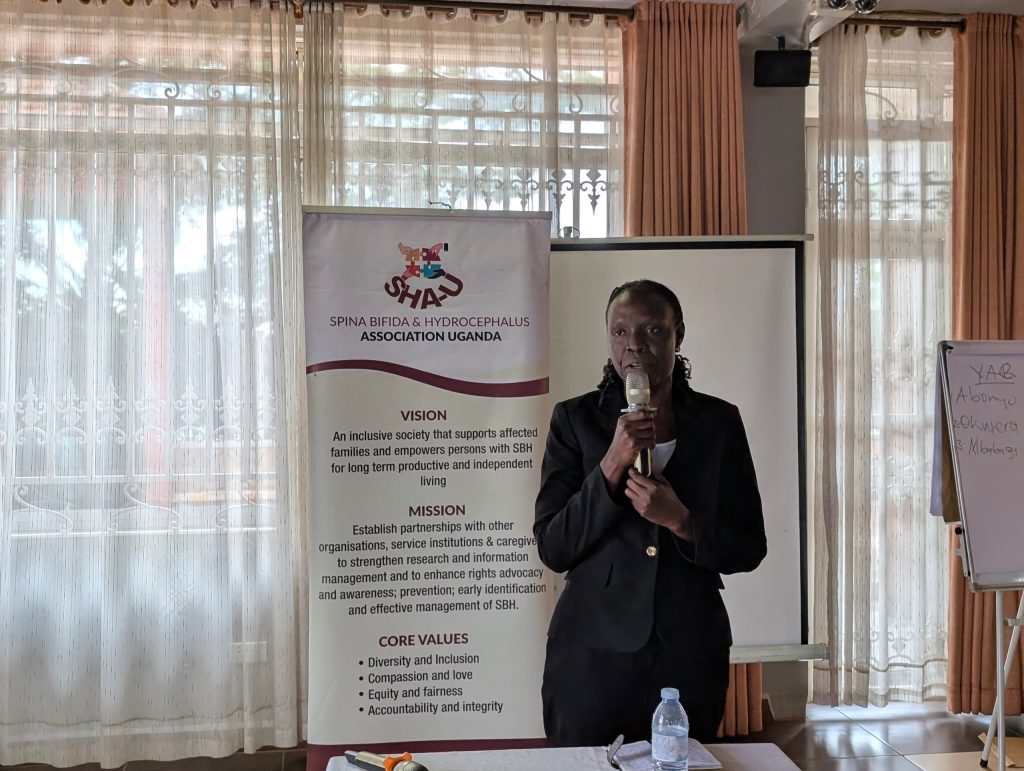
“When we were advocating in the Ministry of Finance, they asked for exact figures for persons with disabilities. It is therefore important for us to collect accurate data because when it comes to budget allocation, government wants to know the exact number of people being supported,” Angella said.
She also emphasized the need for continuous awareness campaigns at both national and local levels, including among Members of Parliament, many of whom are newly elected.
Angella encouraged parents and communities to accept, embrace, and support persons living with spina bifida and hydrocephalus instead of discriminating against them.
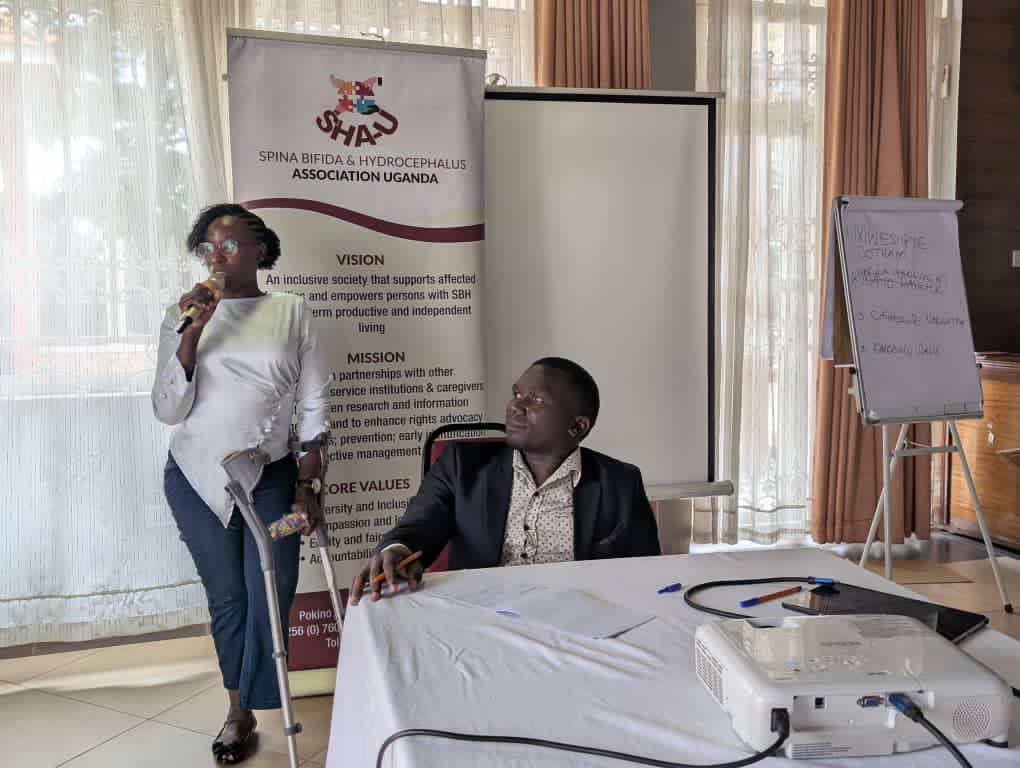
She further urged members to utilize the Parliamentary Forum whenever they need support or engagement with Parliament and Members of Parliament.
During the AGM, Nakanyiga Catherine was elected Vice Chairperson SHAU Board , replacing the late Katandi Steven. Meanwhile, Abonyo Ann was elected Chairperson of the National Youth Advisory Committee, replacing Nakanyiga, who assumed the higher leadership role.
The Spina Bifida and Hydrocephalus Association of Uganda (SHAU) is a national organization working to improve the quality of life for people living with Spina Bifida and Hydrocephalus through advocacy, education, rehabilitation, and community empowerment.
The adopted report presented by SHAU Chairperson Lilian Akello Brenda highlighted major programs implemented, achievements registered, and the organization’s impact on communities.
Among the key programs implemented was the Collective Action for Disability Rights initiative, which focused on national advocacy, organizational development, partnerships, and rehabilitation services with support from the Atlas Alliance.
SHAU also implemented the Continence and Skin Care Scale-Up Project targeting interventions in the Lango sub-region with funding from Christian Blind Mission (CBM).
Other notable initiatives included the Hope and Healing Project, which provided subsidized rehabilitation services through CoRSU Rehabilitation Hospital, and the House of Hope Kampala project, a mini haven hub offering accommodation, clinical care, psychosocial support, continence training, and lifelong care coordination.
SHAU also coordinated the Clean Intermittent Catheterization (CIC) protocol in partnership with Katalemwa Cheshire Home and Neuro Kids to develop and validate a national CIC protocol with support from Child Help International through MRC/UVRI and LSHTM Uganda Research Unit.
According to the report, SHAU registered significant achievements, including a 76.5% improvement among youth trained in continence and skincare management, a 64.7% reduction in urinary tract infections and skin complications, and support for 46 children through surgeries, therapies, and assistive devices.
The report also indicated 95% school attendance and 100% improved academic performance among participating school-going children.
Additionally, 59 members were trained under a consortium advocacy strategy launched across 135 districts, while 40 health facilities were assessed and eight equipped with inclusive medical equipment.
A total of 21 participants were recruited into the CIC protocol study, resulting in two published research papers.
Under the House of Hope initiative, 398 children, youth, and caregivers received accommodation and support services, with 209 benefiting for the first time. At least 142 people were trained in continence and skin management, while 250 beneficiaries received continence management supplies.
The report further showed that 118 families were linked to multidisciplinary services, 243 families received follow-up support, and 100% of participants reported improved wellbeing and independence.
At policy level, SHAU reported progress in integrating disability inclusion into national health and education strategies, as well as the establishment of the Buganda Disability Coordination Committee.
Looking ahead, SHAU’s key priorities for 2026 include scaling up the CIC protocol and evidence generation to inform national policy guidance, expanding House of Hope services to more regions, strengthening grassroots structures, deepening partnerships, empowering persons living with spina bifida and hydrocephalus, and advocating for increased government budget allocations toward inclusive rehabilitation services.
The organization also plans to strengthen district-level health systems, train more frontline healthcare providers in inclusive care, and mobilize diversified funding to sustain long-term interventions and follow-up support programs.
