
By Kabuye Ronald
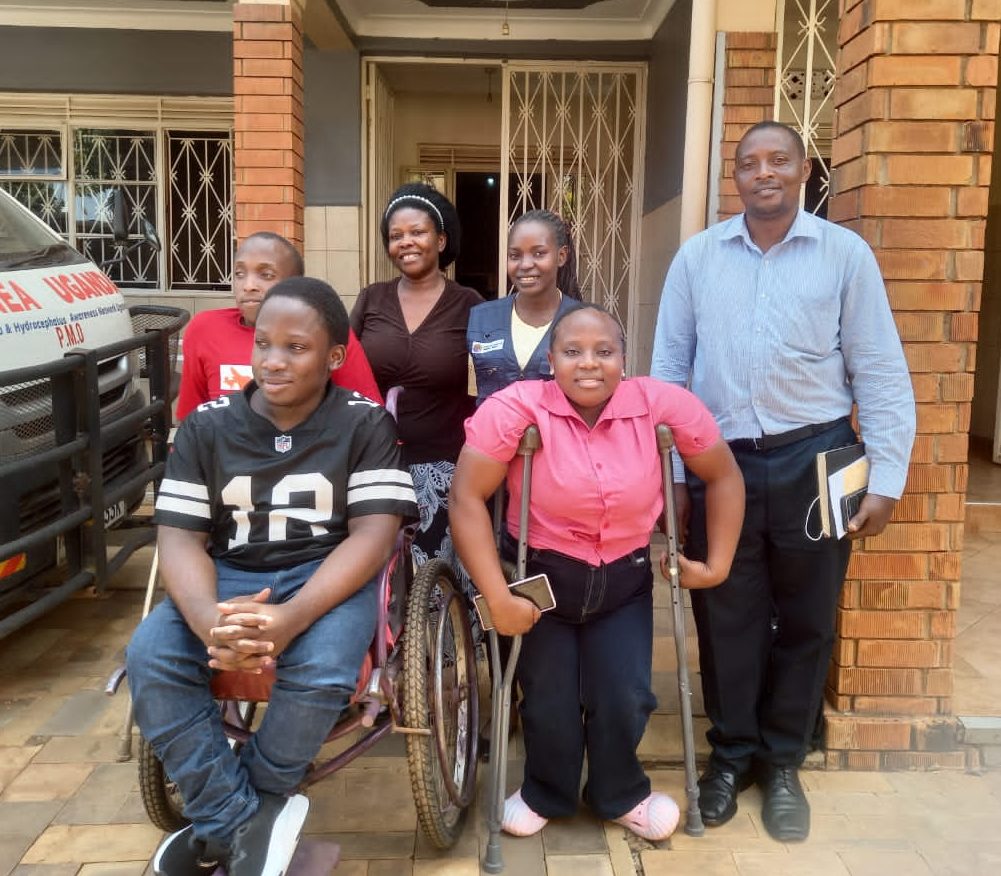
As Uganda prepares to launch the National Rehabilitation Services and Assistive Technology Strategic Plan, the Spina Bifida and Hydrocephalus Association Uganda (SHAU) has called for the full implementation of the strategy to improve the lives of persons living with disabilities.
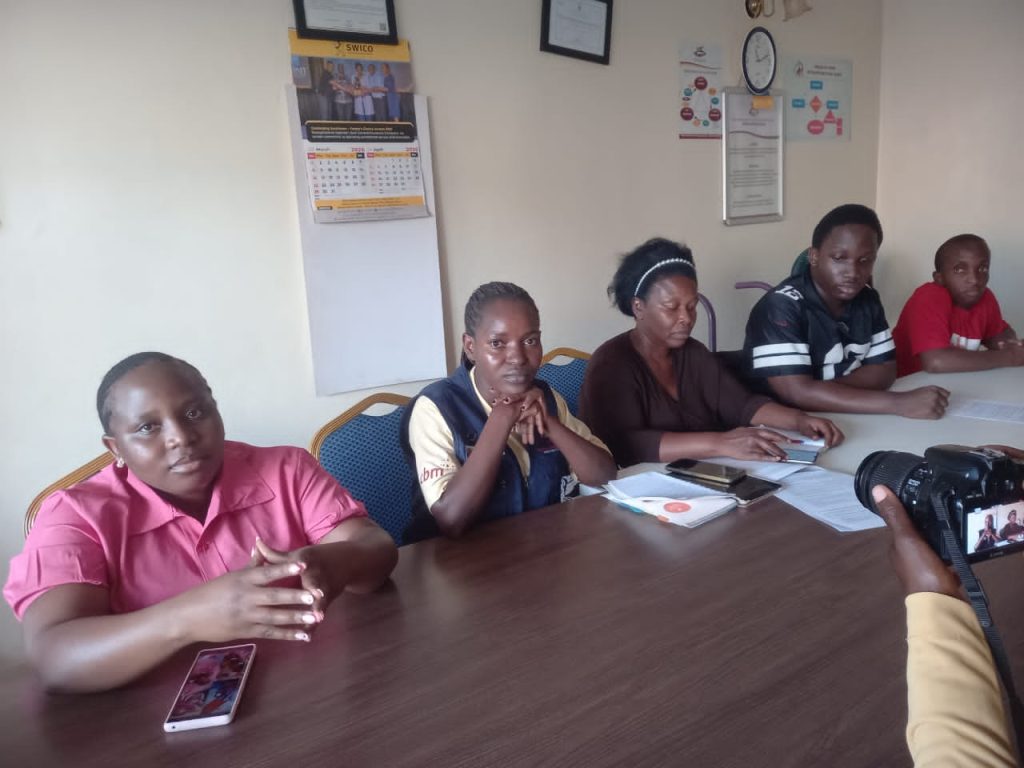
Addressing a press conference at House of Hope in Kampala, SHAU Patient Liaison Officer Ritah Nagujja applauded the government for developing the Assistive Technology Strategic Plan, describing it as a sign of commitment towards improving health services for persons with disabilities.

Nagujja noted that children born with spina bifida and hydrocephalus face interconnected neurological, mobility, and urological challenges that require comprehensive lifelong care.
She explained that managing the conditions requires specialized medical treatment, therapy, customized assistive devices, and structured medical procedures aimed at protecting brain development and maximizing independent mobility.
Nagujja called for the integration of assistive commodities into the national medical logistics system. She cited the inclusion of the drug Oxybutynin on the list of essential medicines to be distributed in government health centres, saying this would greatly improve access for persons with spina bifida who currently get the drug mainly from SHAU, CURE Hospital, and Katalemwa.
She further appealed for proper assessment before distributing assistive devices, warning that inappropriate devices can worsen the condition of users.
“Persons with disabilities may appear to have similar conditions, but they require different assistive devices depending on individual assessments,” Nagujja said.
She also emphasized the need to involve end users in the process so they fully understand why specific assistive devices are recommended for them.
On behalf of SHAU, Nagujja pledged that the association would train community teams in the maintenance of assistive devices such as wheelchairs, crutches, continence management equipment, Ankle Foot Orthoses (AFOs), and Knee Ankle Foot Orthoses (KAFOs), among others.
“We want communities to have basic repair and maintenance skills so that persons with disabilities no longer have to travel long distances to access these services,” she added.
Persons living with spina bifida also used the platform to share their experiences and appeal to government for greater inclusion and accessibility.
Asiimwe Merab, who uses crutches for mobility, appealed for affordable and accessible crutches in government health centres.
“Crutches are very expensive. Mine cost UGX 350,000. We also face challenges using public transport because taxis and buses are not disability-friendly,” she said.
Merab urged government to ensure taxi operators and bus conductors are trained in handling persons with disabilities with dignity.
“As a woman, being lifted by male conductors into taxis can be degrading. Taxi parks should have portable ramps to ease movement for persons using crutches,” she added.
Ssebagala Ruben Emmanuel, a Senior Six student who uses a wheelchair, highlighted barriers in schools caused by poorly constructed ramps.
“There are classrooms I cannot access because the ramps were badly designed. Government should train builders and school administrators on proper disability-friendly infrastructure,” he said.
He also expressed concern over exclusion from co-curricular activities and the lack of adequate rest periods during long lessons, which he said cause severe back pain and pressure wounds.
Gilbert Kinalwa, an electronic mechanic who uses AFOs, appealed for improved design and wider availability of the devices.
“If AFOs are not lined properly, they cause wounds which take long to heal. They are also expensive and only available at Katalemwa and CoRSU hospitals,” he said.
Kinalwa urged government to make such devices available in government health centres to reduce transport and medical costs.
Rose Muyinza, a parent and caregiver of a child with spina bifida, called on government to expand surgical services beyond Mulago National Referral Hospital and CURE Hospital Mbale.
She emotionally described the financial and emotional burden of caring for her child.
“Transport is extremely expensive because I have to pay for myself, my child, and the wheelchair separately. Even in taxis, I pay for three seats,” Muyinza said.
She added that wheelchairs are unaffordable for many families, noting that replacing her son’s current wheelchair would cost UGX 940,000.
Muyinza also criticized poor infrastructure in schools and hospitals, saying many ramps are too steep and many facilities remain inaccessible to wheelchair users.
“The environment does not reflect inclusion. On rainy days, my child cannot even move safely from class to the sick bay because walkways are not sheltered,” she said tearfully.
She further called for specialized training for teachers on handling children with disabilities and condemned what she described as “lip service” towards inclusion policies.
Dr. Nsimenta Denis, the focal person for Assistive Devices at Mulago National Referral Hospital, expressed optimism that the new strategic plan would improve access to assistive devices and essential medicines.
“This time government has shown willingness to prioritize assistive devices. Some essential devices and medicines will now be procured under government support, and many beneficiaries will access them free of charge,” he said.
Dr. Nsimenta acknowledged previous implementation challenges but said stakeholders are hopeful the plan will now be fully implemented.
He stressed the importance of proper assessment before prescribing assistive devices, saying inappropriate devices can cause discomfort or even secondary disabilities.
According to Dr. Nsimenta, Uganda is estimated to have about two million persons with disabilities, although the actual number could be much higher because many people remain hidden in communities and are never assessed in health facilities.
He called for increased awareness and outreach to ensure more persons with disabilities are identified, assessed, and included in government planning and service delivery.

1 comment
I Have so many person with The Disabilities in my district who Requires or Needs Assistive Devices like Crutches, wheelchairs etc . Thanks
Chair Disability Council Apac District
Enin Lawrence Dexwise