
By Robert Segawa
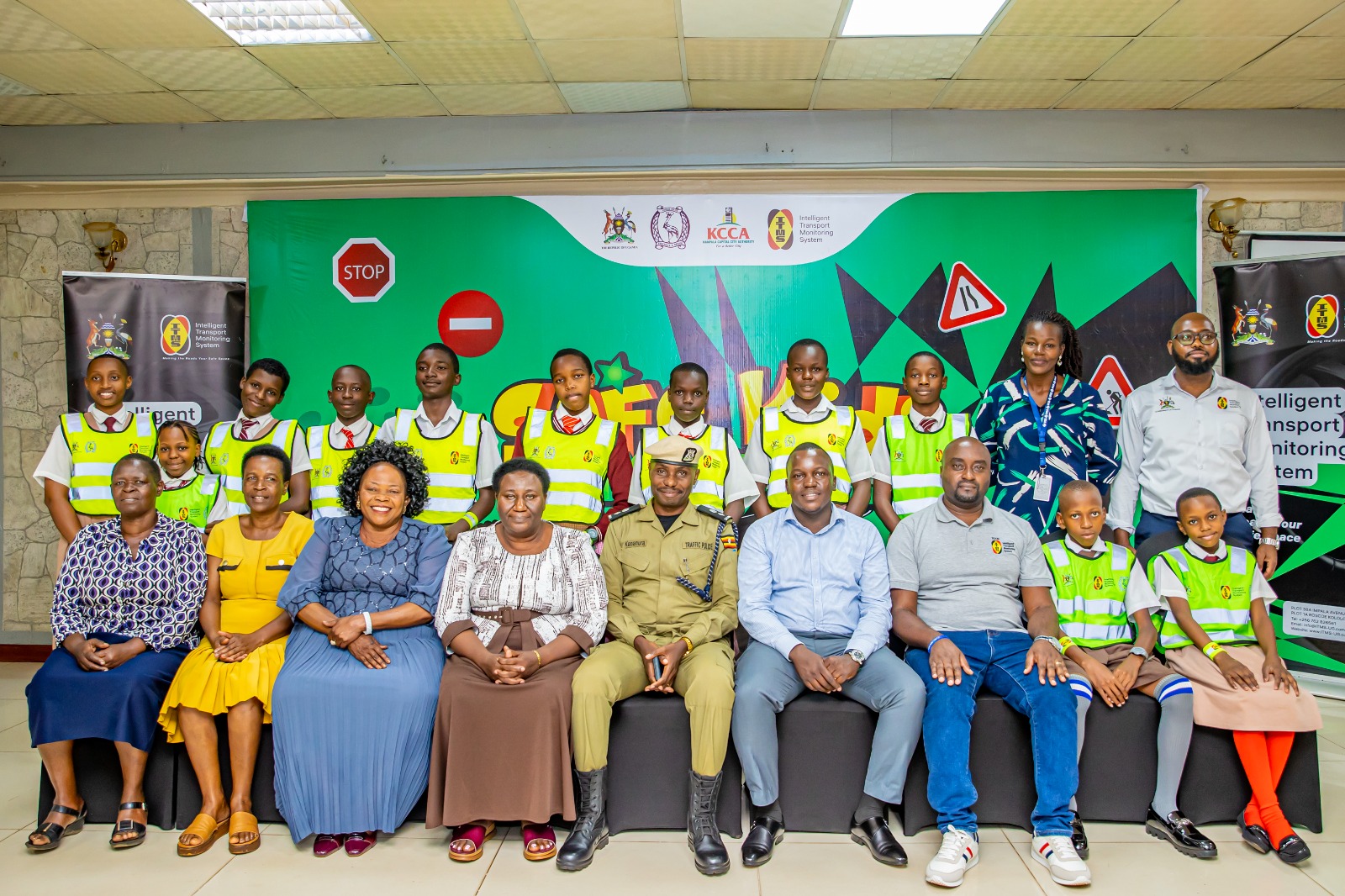
More than 10,000 pupils across Uganda have benefited from the Safe Kids, Safe Future road safety sensitisation campaign.
This was revealed during the release of a joint report by the Ministry of Works and Transport, Uganda Police Force, Ministry of Education and Sports, Kampala Capital City Authority (KCCA), and the Intelligent Transport Monitoring System (ITMS) at Hotel Africana in Kampala.

The initiative, conducted between November 2025 and April 2026, was implemented through a partnership among the various stakeholders. Approximately 9,700 pupils from 12 primary schools in Kampala, Mbale, Fort Portal, and Mbarara participated in interactive road safety education sessions aimed at promoting safer road-use behaviour among children.
According to the report, the campaign registered significant progress in improving road safety awareness among pupils, including a better understanding of traffic signs, pedestrian behaviour, safe road-crossing practices, and the establishment of school road safety clubs.

As part of the initiative, more than 4,035 road safety materials — including reflective vests, reflective arm bracelets, crash helmets, and educational bookmarks — were distributed to learners and schools.
The campaign sought to increase road safety awareness among school-going children through interactive learning sessions, practical demonstrations, visual aids, and road safety advocacy.
Speaking during the joint stakeholders’ press conference, the Director of Traffic and Road Safety, Lawrence Niwabine, through his spokesperson Michael Kananura, highlighted the importance of community-based sensitisation in reducing road accidents involving children.
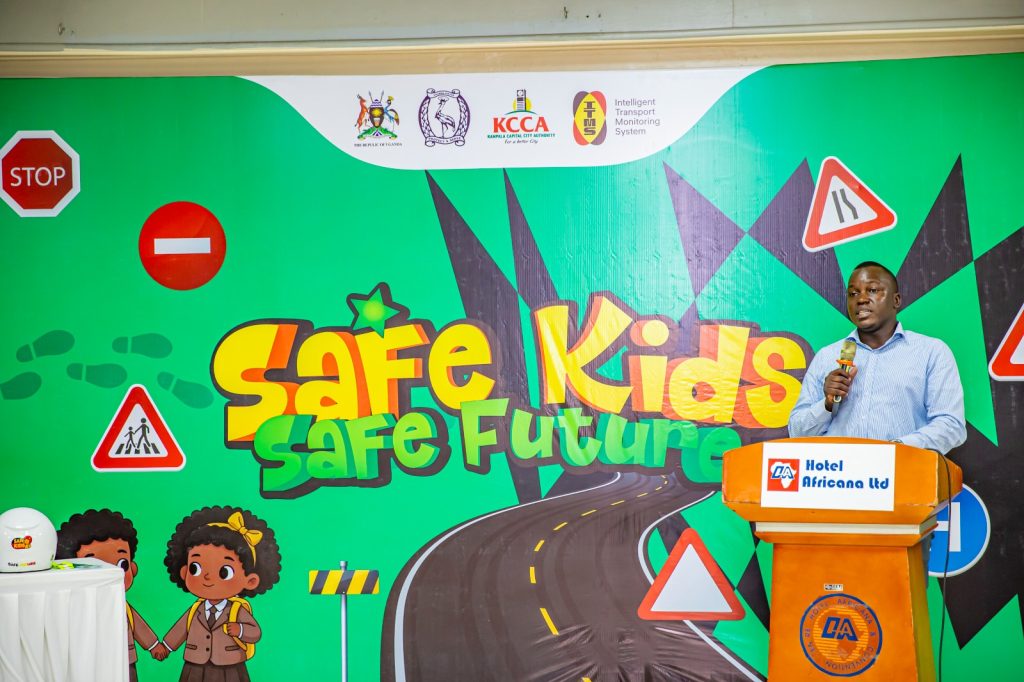
“We have observed increased awareness among pupils regarding pedestrian safety, road signs, and safe crossing practices,” Kananura said.
“The recommendation to strengthen school road safety clubs and install more road signage near schools is timely and necessary,” he added. “Uganda Police remain committed to supporting initiatives that create safer road environments for children and communities.”
The Ministry of Works and Transport spokesperson, Susan Kataike, applauded the collaborative efforts behind the initiative and emphasised the importance of sustained road safety education.
“The findings from this campaign clearly show that early road safety education is critical in shaping responsible future road users,” she noted.
Kataike further reiterated that “the enthusiasm demonstrated by pupils and teachers confirms that awareness programmes like these must be continuous and expanded to more schools across the country. Road safety is everyone’s responsibility, and protecting children on our roads must remain a national priority.”

Steven Turyarugayo, the Public Relations Consultant at ITMS, also praised the impact created through strategic partnerships and road safety awareness campaigns.
“The Safe Kids, Safe Future campaign has demonstrated that combining education, partnerships, and technology can significantly improve road safety awareness among young learners,” Turyarugayo said.
“Through initiatives like these, we are building a generation that appreciates safer road-use behaviour and the role of digital road safety solutions,” he added.
The stakeholders jointly reaffirmed their commitment to promoting safer roads and ensuring that road safety education remains an ongoing national effort aimed at protecting children and communities.
