
By Jumah Kakomo
The Opposition Uganda Peoples Congress (UPC) has called on the government to expand the ongoing operation against vehicles in Dangerous Mechanical Condition (DMC) beyond Greater Kampala to cover all parts of the country and all categories of vehicles.

The call follows the launch of a 100-day operation, code-named “Operation Ganyegenya,” by the Ministry of Works and Transport and Traffic Police on August 24, 2026. Police reported that 178 vehicles were impounded on the first day of the operation. The exercise currently focuses on Public Service Vehicles (PSVs), according to police.
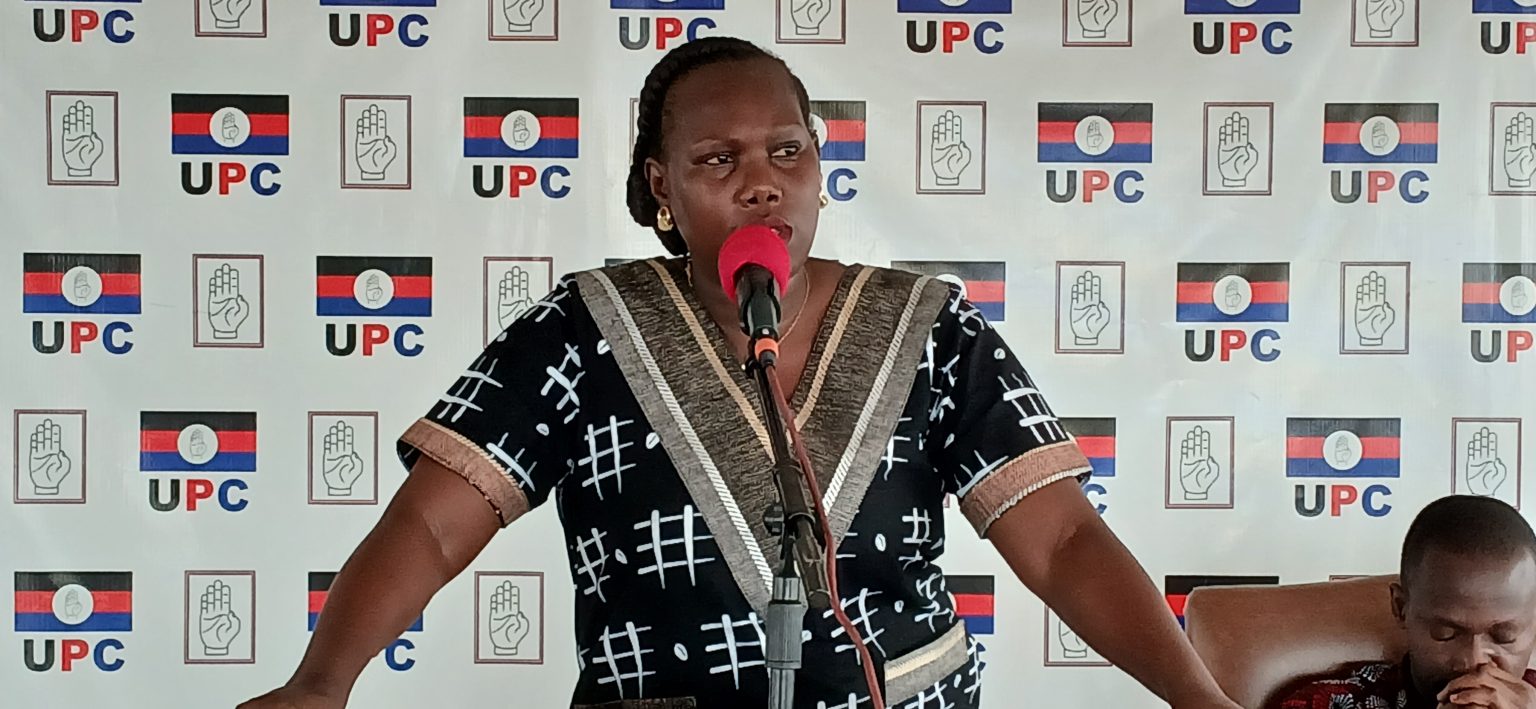
Speaking to the media on Wednesday, UPC spokesperson Arach Oyat Sharon welcomed the operation, saying it could contribute to reducing road crashes. However, she urged the government to extend the exercise to bicycles, motorcycles, three-wheeled vehicles (tuk-tuks), lorries, trucks, buses, government vehicles and private cars.

Sharon said all categories of road users and vehicles contribute to road safety challenges and should therefore be subject to appropriate safety checks.
She said the UPC has repeatedly raised concerns about the impact of road crashes on the country, particularly through loss of life, disabilities and pressure on the health system.
According to the Police Annual Crime Report 2025, released on March 30, 2026, Uganda recorded 26,044 road crashes in 2025, including 4,602 fatal crashes. The crashes resulted in 5,383 deaths, compared with 5,144 deaths in 2024 and 4,806 in 2023.
Sharon, however, warned that removing DMC vehicles from the roads without a corresponding replacement plan could create significant transport challenges, particularly in Greater Kampala.
She said some commuters were already experiencing difficulties accessing public transport and that fares had increased at some stages.
The UPC spokesperson urged the government to make temporary arrangements for institutional buses to help address the anticipated shortage of public transport.
«“The exercise is earmarked to last 100 days, but every DMC that is being removed from the road was once a brand-new taxi and there is no replacement plan yet,” Sharon said.»
She warned that the transport situation could become more difficult when schools and colleges resume, increasing demand for public transport.
Sharon argued that the operation should form part of a broader national transport strategy rather than being treated as an isolated response to road safety concerns.
She called for a comprehensive transport policy covering road, railway, commuter and water transport, while also proposing increased attention to domestic air transport. She further suggested that Uganda could explore electric trains and trams, particularly given the country’s energy potential.
“Some African countries have already made a breakthrough and revolutionised their transport systems with modern facilities,” she said.
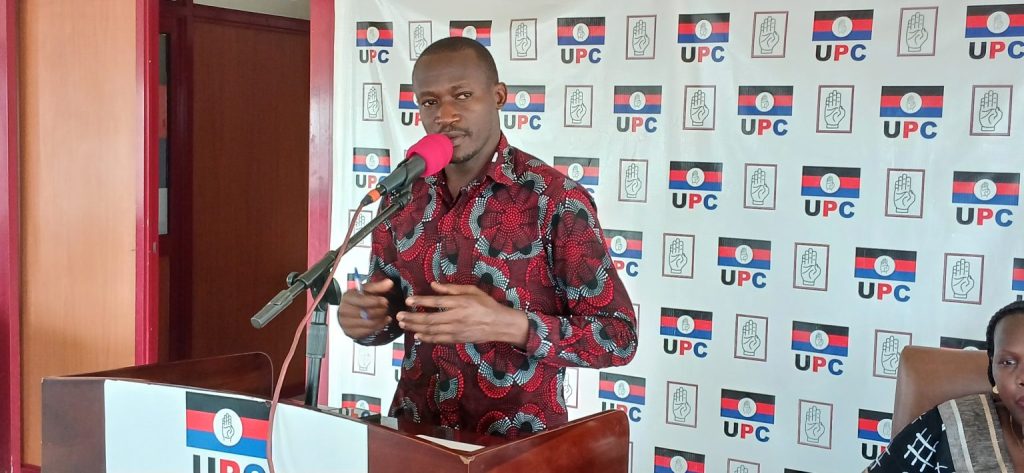
Meanwhile, Faizo Muzeyi, UPC head of media and communications, called on the government to implement a comprehensive transport policy rather than relying on what he described as a piecemeal approach focused mainly on DMC taxis.
Muzeyi also urged the Ministry of Works and Transport to accelerate road construction projects and ensure regular maintenance of roads across the country.
He said an efficient transport system is essential to economic growth because it facilitates the movement of raw materials, workers and finished products, while also connecting communities and supporting domestic and international trade.
“Transport is the lifeline of any country and the gateway to the region and the rest of the world that should be given utmost attention,” Muzeyi said.
The UPC says the current operation provides an opportunity for the government to address immediate road safety concerns while developing a long-term strategy to improve public transport, road infrastructure and the wider national transport system.
