
By Elijah Khisa
The National Drug Authority (NDA) has extended professional skills training to traditional herbalists, urging them to professionalise their operations and comply with established standards or risk prosecution for breaching regulations.

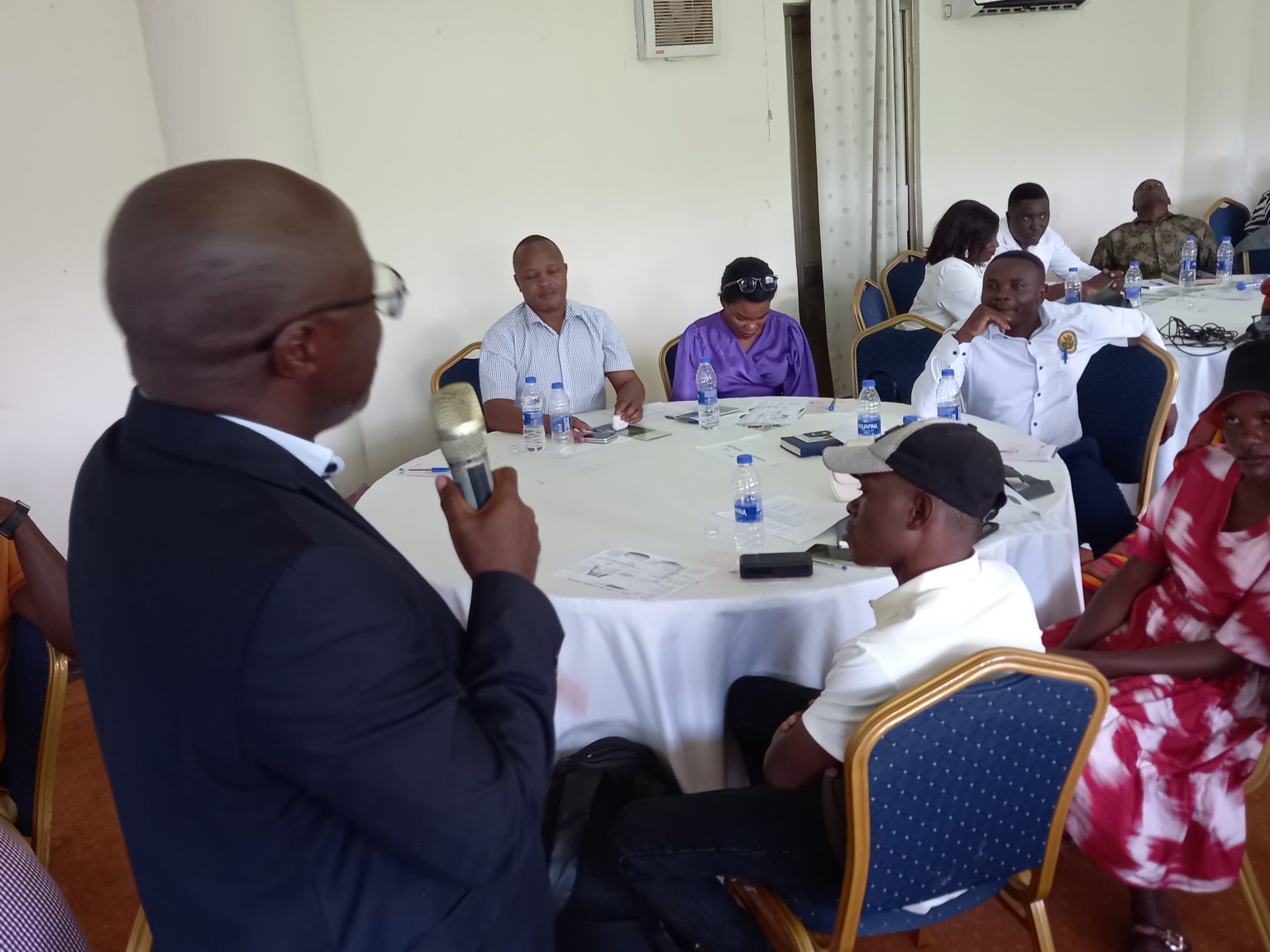
The two-day specialised training programme, held at Golf Course Hotel, concluded on Thursday, August 27, 2026. It brought together traditional herbalists and technical officers from various government ministries, departments and agencies (MDAs), who made presentations on government policies, legislation and professional standards governing the sector.
The participating institutions included the Uganda Registration Services Bureau (URSB), National Drug Authority (NDA), Natural Chemotherapeutics Research Institute (NCRI), Uganda Virus Research Institute (UVRI) and the Uganda Botanical Institute in Entebbe, among others.
The Assistant Commissioner for Traditional Knowledge at URSB, Twinomujuni Kafunjo, made an extensive presentation on intellectual property rights and trademarks, saying the bureau’s mandate includes protecting herbal products that have been formally notified to and cleared by the NDA for access to the market.
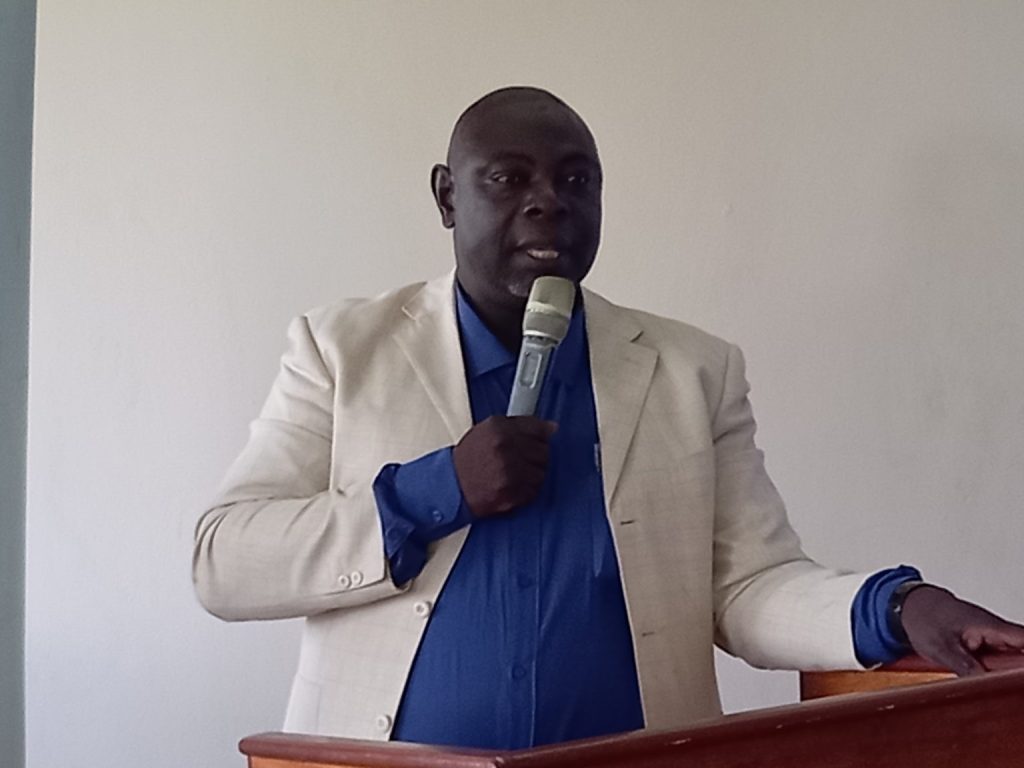
Kafunjo expressed concern that although more than 80 per cent of the population uses traditional herbal medicine, many local practitioners have not formally registered their products with either URSB or the NDA.
He said many practitioners continue to brand and market herbal products without following the established policy and regulatory guidelines.
Twinomujuni revealed that policy stakeholders were expected to interface with Cabinet the following Monday to seek approval for the proposed Traditional Knowledge Bill.
“We are bringing forward this Bill as URSB with a view to ensuring that traditional herbalists are empowered with accurate and appropriate traditional knowledge to build their capabilities and capacity in protecting these traditional herbal materials and products for the benefit of all stakeholders,” he said.

He warned that many practitioners were branding and marketing herbal products without formal authorisation from URSB as required by law.
He urged herbalists to urgently register their product names and seek the necessary certification to avoid prosecution.
The representative of traditional herbalists on the NDA Board, Hajji Jamil Lutakome, said Uganda has more than 400,000 herbalists operating across the country, but only about 300 have been formally registered with the authority.
Lutakome warned that following the extensive training and sensitisation of practitioners, enforcement of the law would follow as part of efforts to weed out quack herbalists.
He thanked President Yoweri Kaguta Museveni for assenting to the Traditional and Complementary Medicine Act, 2019, on September 14, 2020, but said its full enforcement had not been effected because the council mandated to formulate by-laws and operationalise the Act had not yet been established.
He, however, said the NDA had submitted a list of proposed candidates for the council to the Minister of Health for approval and recommendations, as well as consideration for an operational budget.
“We have proposed two representatives of traditional medicine practitioners, two representatives of complementary medicine practitioners, one representative from the NDA, a Commissioner for Clinical Services from the Ministry of Health and one representative from the Natural Chemotherapeutics Research Institute, among others,” Lutakome said.
He explained that the proposed council would establish quality control standards, strengthen training curricula, monitor operations and enforce compliance within the sector.
The council would also serve as a coordination mechanism between government ministries, departments and agencies and private sector players, including academia and research institutions.
According to Lutakome, the arrangement would ensure that the voices of traditional herbalists are represented more closely in government policy and decision-making processes.
The Director for Product Assessment and Inspection at the NDA, Dr Enock Ntulume, said the authority’s mandate enables it to engage herbalists through capacity-building programmes aimed at equipping them with relevant knowledge and skills to improve their products and productivity.
He said this includes visits to production facilities, monitoring processing procedures and assessing packaging materials, among other regulatory requirements.
Ntulume said the NDA has so far approved more than 350 herbal products on the market, up from fewer than 50 products five years ago, a trend he said demonstrates steady growth in the sector.
He urged herbalists to adhere to best practices and clean up their operations, noting that they serve a large health-related clientele.
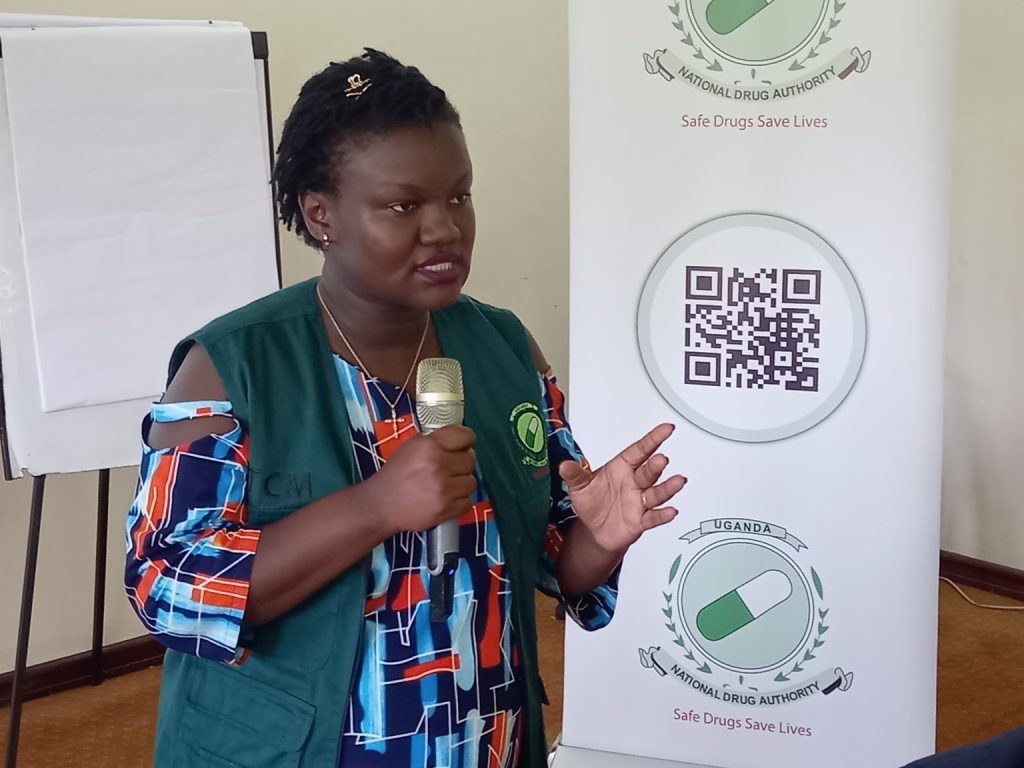
Dr Veronica Nambi Sebunya, an Inspector of Drugs in the Department of Drug Promotion at the NDA, spoke about ethical advertising and phytovigilance.
She warned herbalists that all proposed advertisements must be vetted and cleared by the NDA or they risk prosecution, especially where health-related messages could endanger members of the public.
Nambi cautioned practitioners against making claims in mainstream or social media that their products can cure diseases such as tuberculosis, HIV and AIDS, diabetes and hypertension, among others.
She said such claims are prohibited and could result in prosecution of both the individuals responsible and the media outlets that publish or broadcast the advertisements.
Nambi further revealed that the NDA, working with the Uganda Communications Commission (UCC), has established a digital audio and video electronic system capable of monitoring and recording health-related content aired across different media platforms.
Key subjects covered during the training included herbal medicines regulation, ethical advertising and phytovigilance, good hygiene practices and suitability of premises, botanical identification, herbal medicine testing for quality control and the herbalists’ training curriculum.
Other topics included acute toxicity and in-vitro studies of natural therapeutics, intellectual property rights and trademarks, as well as demonstrations on how to apply for product notification through the Integrated Regulatory Information Management System (IRIMS).
The training is part of ongoing efforts by the NDA and other government agencies to professionalise the traditional and complementary medicine sector, improve the quality and safety of herbal products, strengthen compliance and protect the public from unregulated and potentially unsafe health claims.
