
By Jumah Kakomo
The Uganda People’s Congress (UPC) has urged the government to implement economic and policy reforms gradually while providing alternative livelihood opportunities for Ugandans whose incomes are disrupted by new measures.
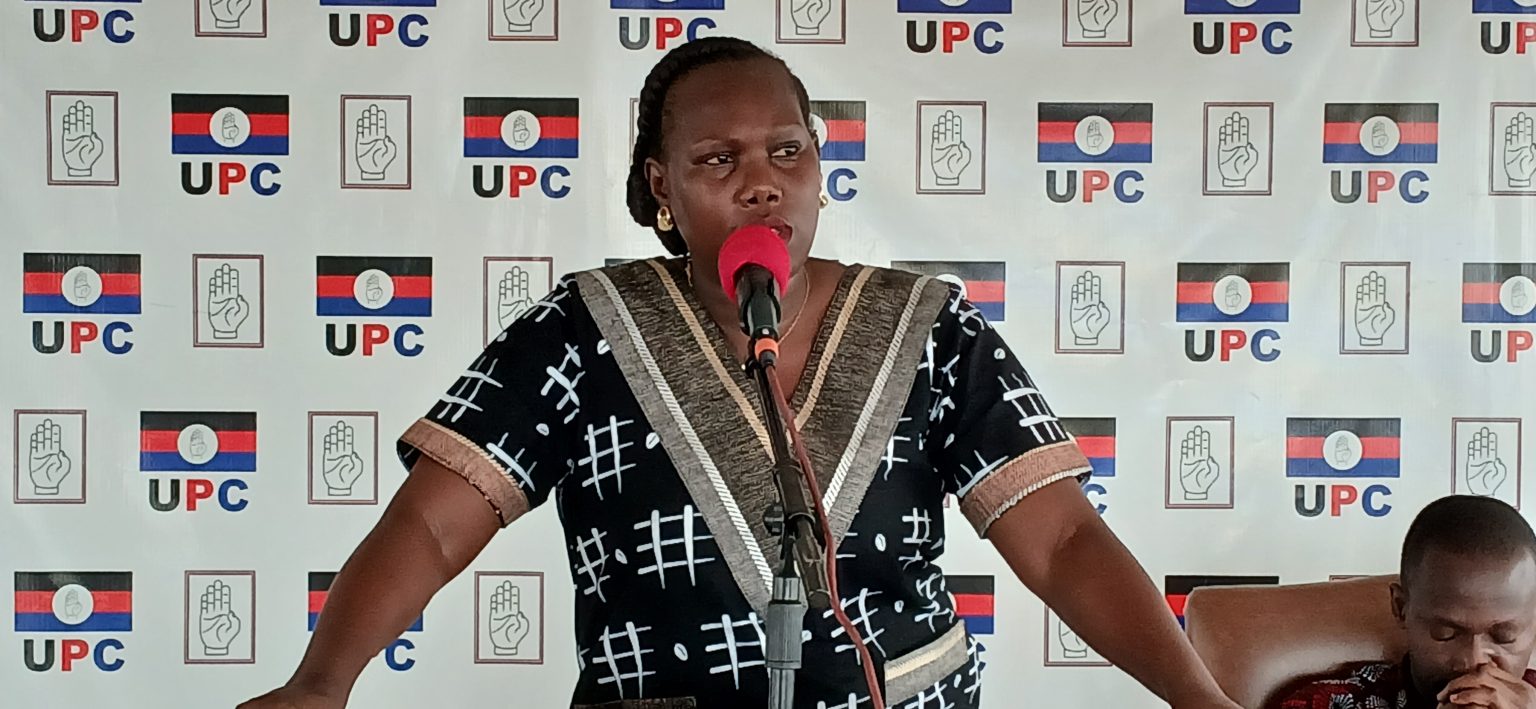
Speaking to the media on Wednesday, UPC spokesperson Oyat Arach Sharon said climate change, unemployment and government policies were putting additional pressure on households, particularly vulnerable people who depend on agriculture and informal businesses for their livelihoods.

Ms Arach said Uganda’s dependence on agriculture had left many households vulnerable to changing weather patterns.
She noted that prolonged dry spells in recent years had affected agricultural production, making it difficult for some farmers to produce enough food for their families and contribute to the economy.
Ms Arach also criticised the implementation of measures targeting roadside businesses and other informal activities, saying they could leave vulnerable people without a source of income.
She said single mothers, struggling families and other low-income earners often depend on small roadside businesses to meet their daily needs.
Ms Arach acknowledged that the government has reasons for regulating businesses and improving urban safety and the appearance of towns, but said such interventions should be accompanied by alternative livelihood opportunities.
“People affected by these measures need alternatives so that they can continue earning a living,” she said.
The UPC spokesperson also raised concerns about public transport operators whose vehicles are removed from the roads because of their poor mechanical condition.

She questioned what opportunities were available for drivers who lose their source of income when their vehicles are taken off the road.
Ms Arach suggested that skilled drivers could be considered for opportunities in emerging transport initiatives, including government-supported projects.
She further linked household economic difficulties to challenges in the education and health sectors, saying poor health and malnutrition can affect children’s ability to learn.
“Uganda’s greatest resource is its people,” Ms Arach said, calling for increased investment in employment, education and healthcare to improve productivity.
On corruption, Ms Arach called for the recovery of public funds allegedly lost through corruption and urged authorities to hold those responsible accountable.
She questioned what she described as a contrast between the prosecution of people accused of stealing small amounts or household items and the handling of cases involving alleged losses of large sums of public money.
Ms Arach said the government has the capacity to address the country’s challenges but needs to reconsider how reforms are implemented.
She urged authorities to phase in reforms while protecting the livelihoods of people affected by them.
She said the goal should be to improve urban safety, public services and the economy without leaving vulnerable Ugandans without a means of survival.
