
By Kabuye Ronald
The Uganda Alcohol Policy Alliance (UAPA) has called for stronger alcohol control measures, warning that excessive consumption is contributing to cancer, heart disease, mental health challenges, road accidents, domestic violence and declining workplace productivity.

UAPA says alcohol-related harm is placing a heavy financial burden on individuals, families and the national health system, while undermining economic development and efforts to improve household welfare.
Dr Alfred Jatho, head of the research unit at the Uganda Cancer Institute (UCI), said alcohol use was a major contributor to Uganda’s cancer burden, with many patients seeking treatment when their illnesses had already reached advanced stages.
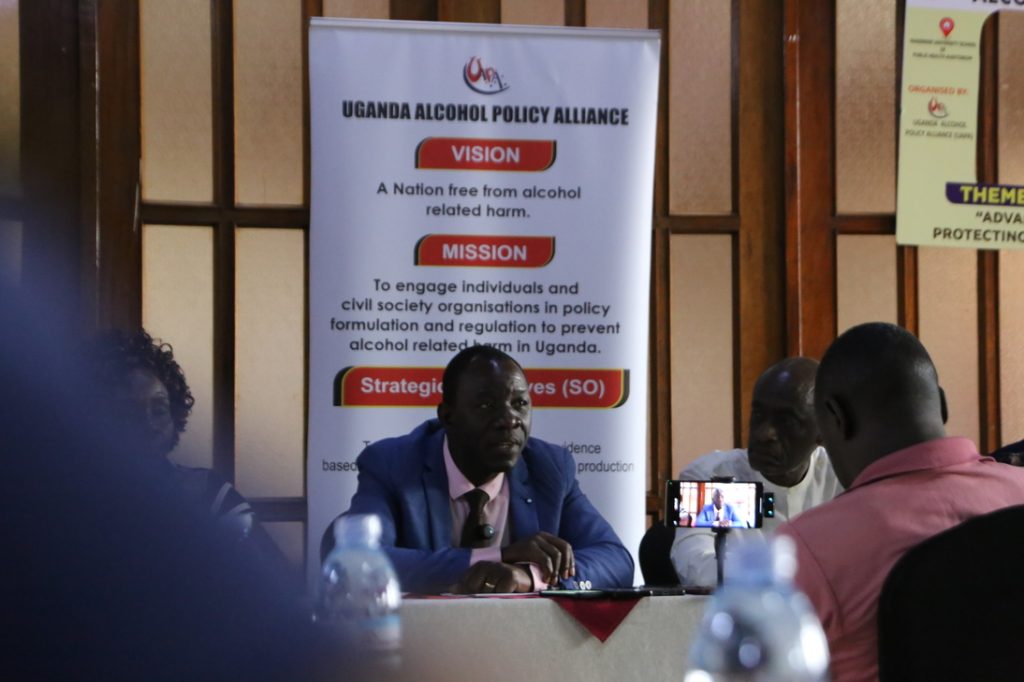
Jatho said alcohol is the leading preventable risk factors for cancer, contributing to diseases such as oesophageal and liver cancer. Adding that it is the second contributor to cancer diseases after infections.
He warned that late diagnosis reduces patients’ chances of survival and increases the cost of treatment, leaving families struggling to meet medical expenses.
Jatho said stronger measures to reduce harmful alcohol consumption could help prevent illness, ease pressure on health facilities and reduce the financial burden on affected households.
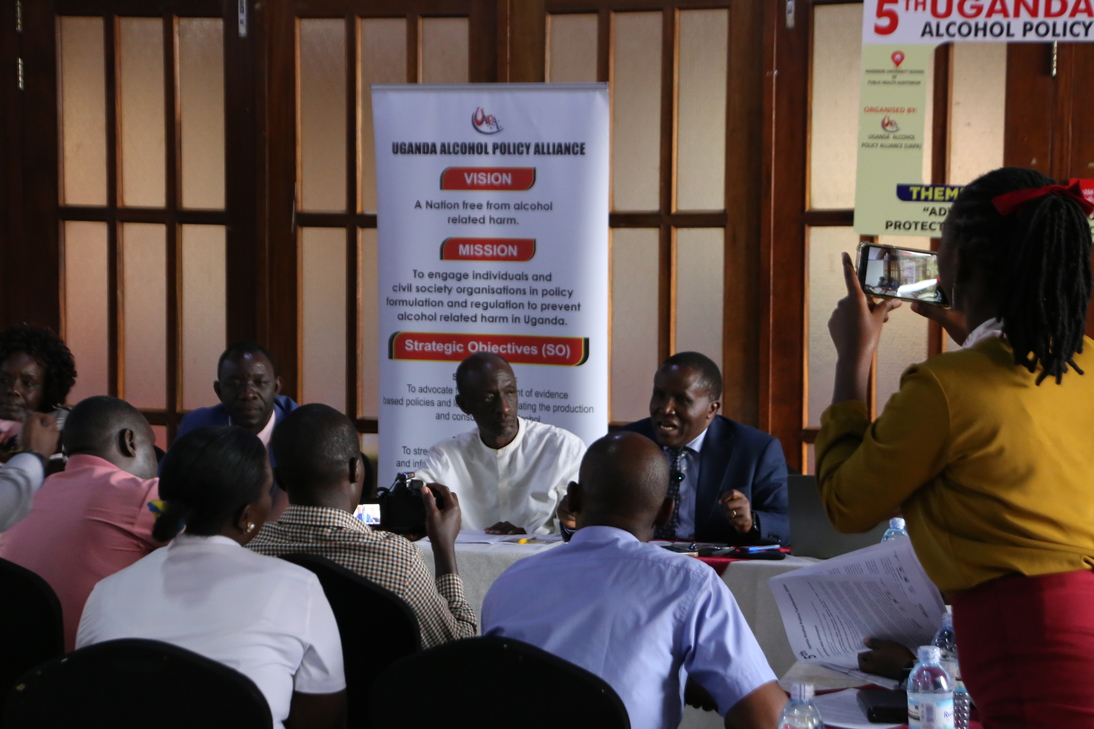
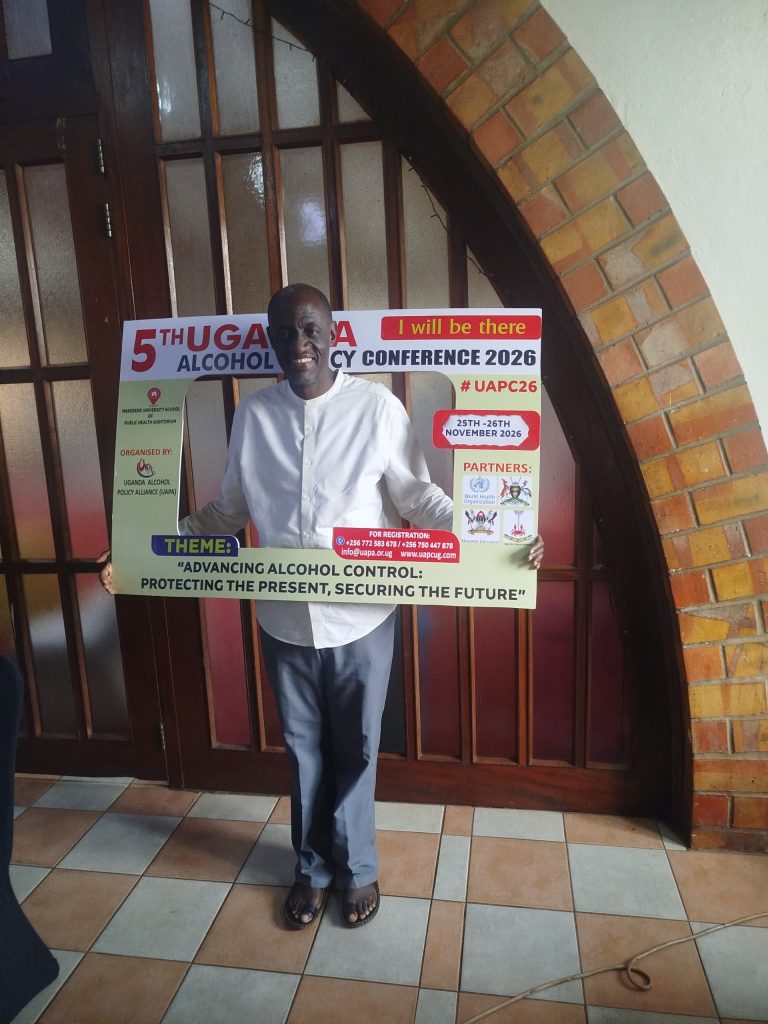
The concerns were raised ahead of the fifth Uganda National Alcohol Policy Conference, scheduled for November 25–26, 2026, at the Makerere University School of Public Health auditorium in Kampala.
The conference, organised by UAPA in partnership with Makerere University School of Public Health, will bring together researchers, government officials, health professionals, policymakers and other stakeholders to discuss strategies for reducing alcohol-related harm.
Richard Baguma, the UAPA vice chairperson, said excessive alcohol consumption was undermining family welfare, productivity and economic development, particularly in rural communities.
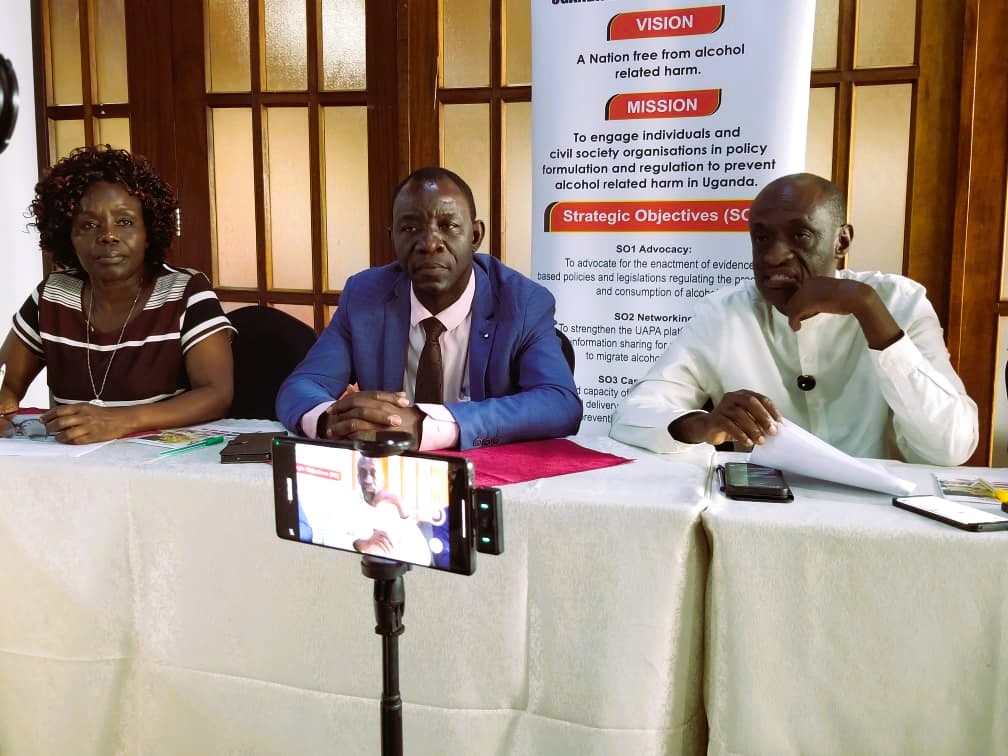
“The Parish Development Model will not succeed with the levels of alcohol consumption among Ugandans,” Baguma said while announcing the conference.
He argued that household income intended to support families and finance economic activities is diverted to alcohol consumption, weakening efforts to improve livelihoods.
Baguma welcomed a recent directive by Local Government Minister Balaam Barugahara on the sale of alcohol, describing it as a step towards implementing the country’s existing alcohol control policy.
However, he said resistance from some influential government officials highlighted the challenges facing efforts to regulate alcohol sales and consumption.
Baguma noted that Cabinet had already approved a national alcohol control policy containing measures to regulate the operating hours of alcohol-selling establishments.

He expressed concern that delays in enacting comprehensive national alcohol control legislation had forced some local governments to introduce their own ordinances to address the problem.
He called on the government, Parliament, the media and other stakeholders to support stronger regulation of the alcohol industry and accelerate the passage of comprehensive legislation.
Baguma said Uganda had made some progress in addressing alcohol-related harm, including banning alcohol sachets and efforts by private members of Parliament to introduce legislation regulating the sector.
Dr Nazarius Mbona, a professor in the Department of Epidemiology and Biostatistics at Makerere University School of Public Health, said excessive alcohol consumption was contributing to domestic violence, road accidents and low productivity in workplaces.
Mbona said universities had a responsibility to contribute research and evidence-based solutions to public health challenges affecting Ugandans.
Citing studies linking alcohol consumption to domestic violence and other social problems, he said reducing harmful drinking would help families maintain stability, improve household incomes and enable people to pursue their academic and economic goals.
He called for a comprehensive law regulating alcohol advertising, sales and consumption, noting that restrictions adopted in other countries had been used to address alcohol-related harm.
“People should not drink to the extent of causing harm to themselves and others,” Mbona said, urging the government, researchers and other stakeholders to work together to address the problem.
The speakers estimated that alcohol-related harm costs Uganda about Shs11 trillion, arguing that the wider economic losses outweigh the revenue generated by the alcohol industry.
They said the country should consider the costs associated with illness, healthcare expenditure, family instability and lost productivity when evaluating the economic impact of alcohol consumption.
Movendi International president Juliet Namukasa also urged the government to tighten alcohol regulations to address health risks, road accidents, domestic violence and declining workplace productivity.
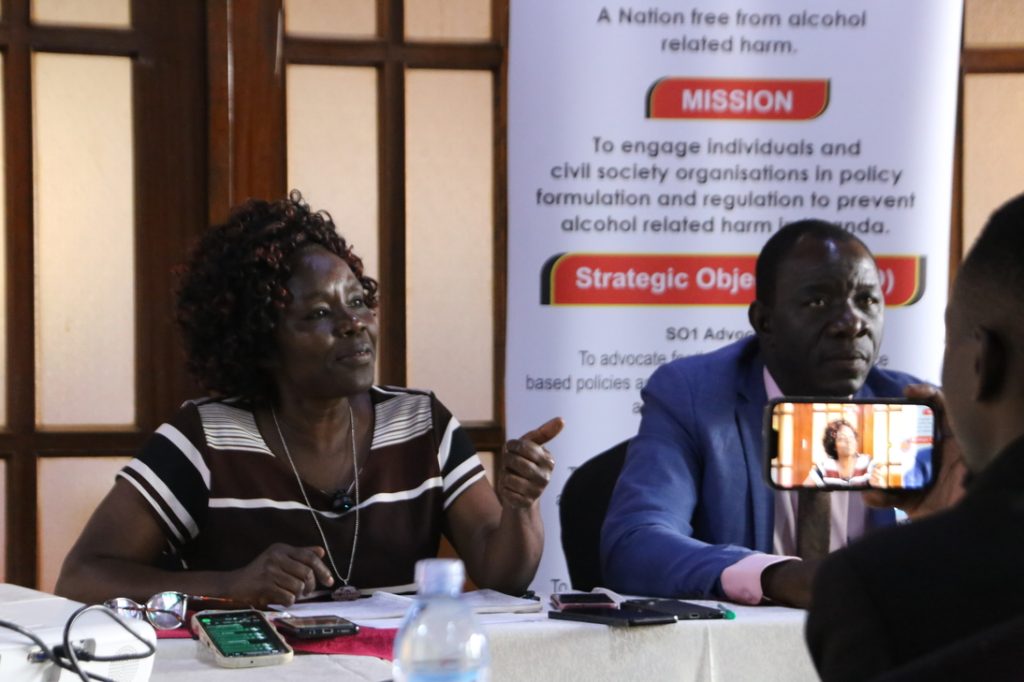
Namukasa called for stronger controls on alcohol sales and consumption, particularly measures aimed at protecting children and young people from early exposure to alcohol.
According to figures attributed to World Health Organisation reports published in 2020 and 2023, Uganda’s annual alcohol consumption stands at approximately 12.21 litres of pure alcohol per person aged 15 and above.
The figures place Uganda among the countries with the highest recorded alcohol consumption in Africa, with consumption levels reported to be nearly twice the African regional average.
Alcohol abuse has also been cited as a contributor to mental health challenges, placing additional pressure on Butabika National Referral Mental Hospital and mental health services in regional facilities, including those in Gulu, Lira and Kabale.
The November conference is expected to examine the health, social, cultural and religious implications of alcohol consumption, as well as the responsibilities of manufacturers and distributors in reducing harm.
Participants will discuss proposals to improve product quality, clearly indicate alcohol strength on labels, consider reducing alcohol content in some products and strengthen safeguards against children’s exposure to alcohol.
Other areas of discussion will include formalising the alcohol industry, improving quality checks and strengthening oversight of alcohol production, distribution and sales.
Baguma said regulation should protect public health while allowing legitimate businesses to operate responsibly.
He added that previous advocacy efforts had helped increase public awareness, contributed to the development of the national alcohol control policy and encouraged legislative initiatives in Parliament.
The organisers said the conference would review progress in implementing existing policies and develop recommendations for coordinated action to reduce alcohol-related harm.
They called on journalists to continue reporting on the consequences of harmful drinking, saying sustained public awareness and informed debate were essential to securing stronger protections for communities.
The conference is expected to produce policy recommendations, strengthen partnerships among stakeholders and promote evidence-based interventions aimed at protecting the health and well-being of present and future generations.
