
By Jumah Kakomo
The Government is stepping up efforts to promote the economic empowerment of persons with disabilities and plans to introduce a support programme for caregivers of children with severe disabilities, a senior official at the Ministry of Gender, Labour and Social Development has said.
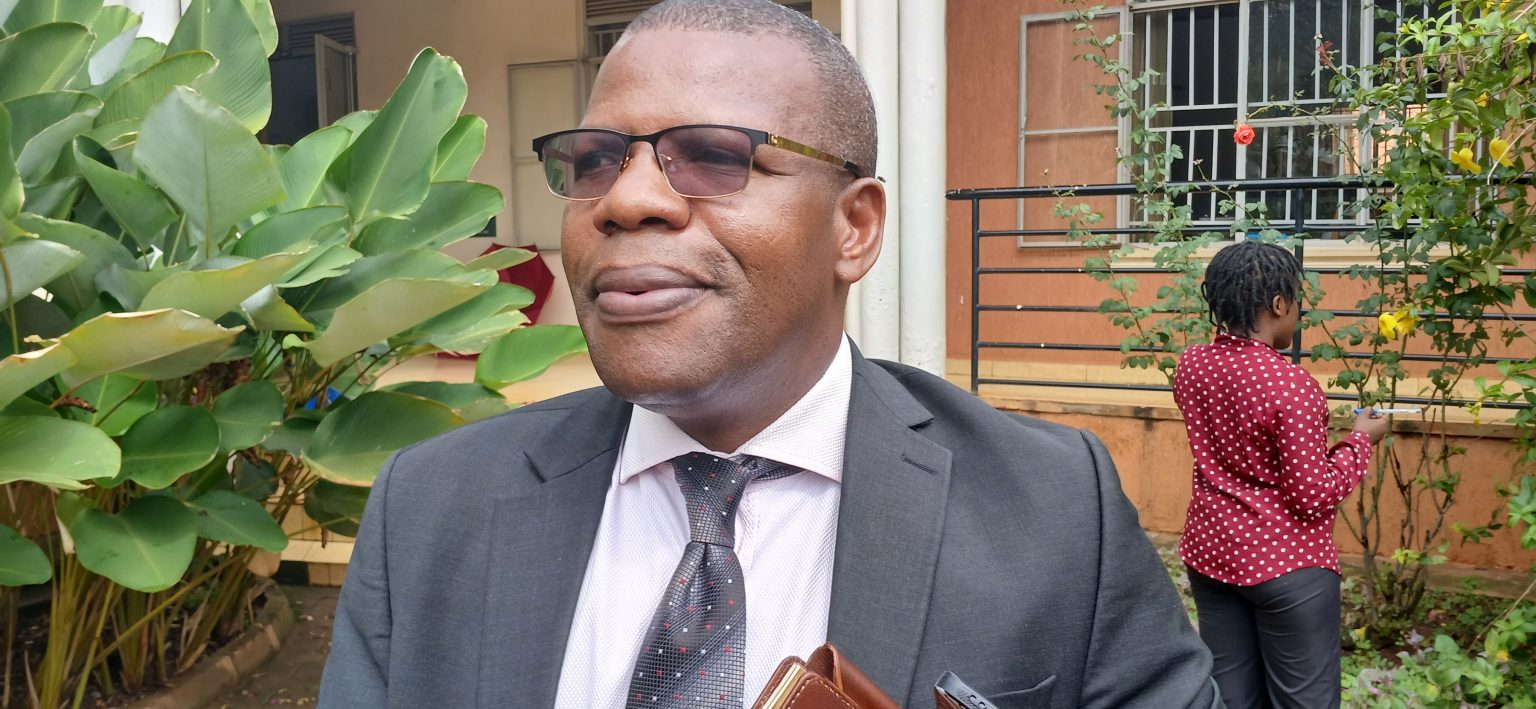
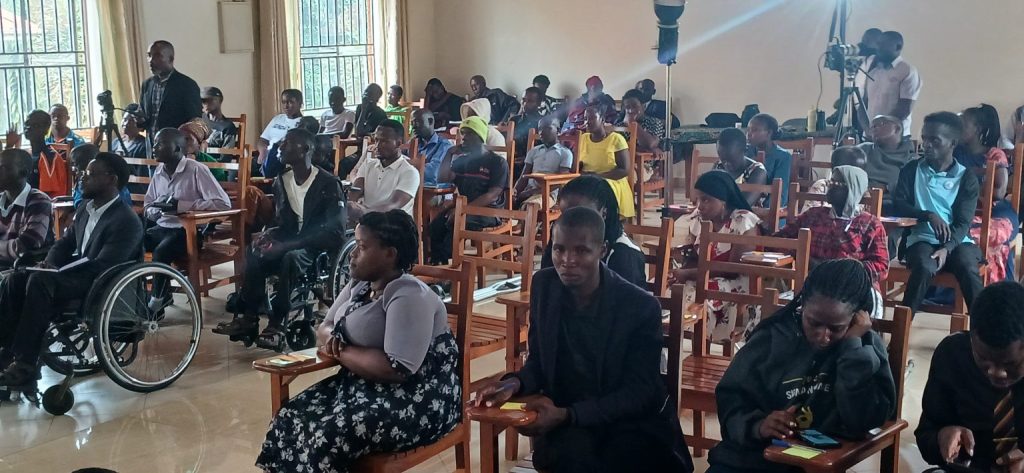
Prosper Muhumuza, the ministry’s Commissioner for Disability Affairs, announced the initiatives on Tuesday during the National Youth Disability Summit held in Namugongo to commemorate World Spina Bifida and Hydrocephalus Day.

Muhumuza announced a grant of Shs5 million to be shared among five beneficiaries, with each receiving Shs1 million to establish small income-generating activities.
“This is a grant, not a loan,” Muhumuza said, urging the beneficiaries to use the money productively while continuing with their education and pursuing employment opportunities.
He encouraged university and diploma students, as well as young people who had completed advanced secondary education, to remain focused on their ambitions and use their achievements to inspire other persons with disabilities.
Muhumuza cautioned beneficiaries against allowing personal frustrations to discourage parents raising children with disabilities, saying their resilience and achievements could offer hope to families facing difficult circumstances.
“If you start lamenting, you may cause a parent of a young child with a disability to lose hope,” he said.
Muhumuza also outlined plans for a government programme targeting caregivers of children with severe disabilities, particularly those who require continuous assistance with everyday activities.
He said the programme was expected to begin in 25 districts during its first year, with additional districts to be covered progressively.
The proposed initiative seeks to address challenges faced by caregivers who must provide constant support to children while meeting household needs and seeking opportunities to earn an income.
Muhumuza said advocacy by persons with disabilities had helped draw attention to the circumstances of families caring for children with complex support needs.
He described caring for children with severe disabilities as a shared responsibility involving government, families, communities and disability advocates.
The commissioner called for greater support to enable families to care for their children safely and with dignity, particularly where caregivers face financial difficulties and have limited access to appropriate services.
He also appealed to fathers to take responsibility for children born with disabilities and support their partners rather than abandoning their families.
Muhumuza observed that some mothers are left to shoulder the emotional, physical and financial responsibilities of caring for children with disabilities after their partners withdraw from the family.
He urged persons with disabilities, families, healthcare providers, community leaders and government institutions to strengthen cooperation to improve the welfare of children with disabilities.
He further encouraged disability advocates to engage government and other stakeholders in efforts to improve access to services, strengthen caregiver support and promote economic independence among persons with disabilities.
Ruth Nalugya, the executive director of Spina Bifida and Hydrocephalus Association Uganda (SHAU), called on young people with disabilities to work together to promote inclusion, challenge stigma and advocate for their rights.
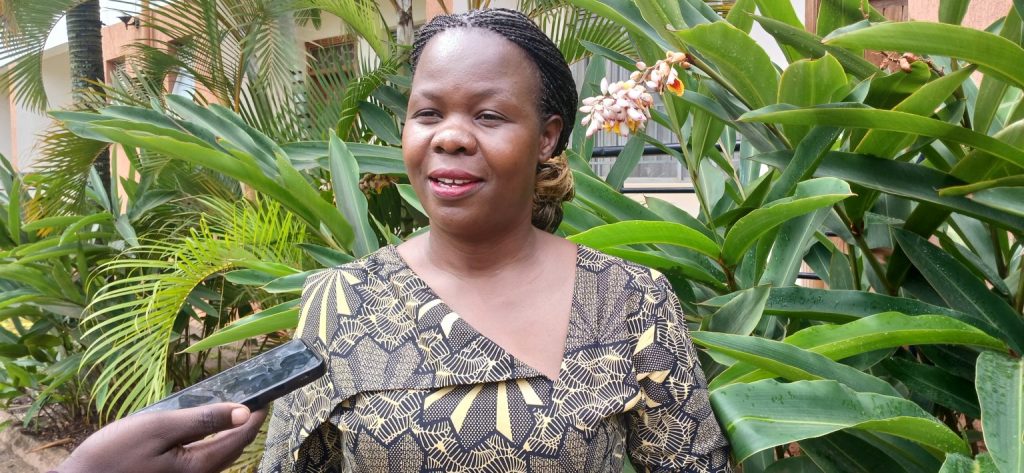
Ruth Nalugya, the executive director of SHAU
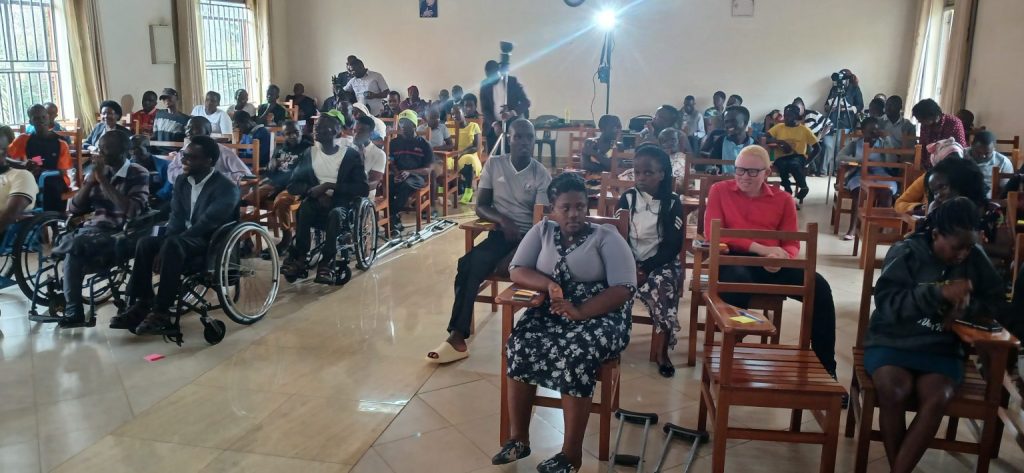
Nalugya said the summit brought together 100 young people with different disabilities from various regions of Uganda under the theme, “Lifetime Experiences: From Preconception to Ageing.”
She said the gathering was intended to encourage collaboration among young people with disabilities, noting that advocacy efforts were often fragmented, with different groups concentrating primarily on their individual conditions.
“This year, we are saying no, we can change the game,” Nalugya said, explaining that bringing together young people with different disabilities would allow them to share experiences, understand one another’s challenges and develop a unified voice.
Participants included young people with spina bifida, hydrocephalus, albinism, vitiligo, epilepsy, Down syndrome, short stature and physical disabilities.
Nalugya said the summit was designed to move beyond the traditional commemoration of the day by focusing on practical interventions and lasting outcomes for persons with disabilities.
She said the organisers hoped the week-long engagement would help participants move from sympathy to empathy by learning directly from one another’s lived experiences.
Nalugya observed that people with disabilities may sometimes regard their own conditions as the most difficult because they have limited opportunities to understand the experiences of others facing different challenges.
She cited the experiences of people with spina bifida, who may require regular medical reviews and repeated catheterization, as well as those of people with albinism, who face an increased risk of skin cancer.
She also highlighted health and other challenges experienced by some people with short stature, emphasizing the importance of recognizing the different support needs within the disability community.
Nalugya said sharing these experiences could help young people develop a broader understanding of disability, appreciate the challenges faced by others and identify opportunities for collective advocacy.
“We can do better, and together we can talk about our different disabilities,” she said, urging participants not to compete for recognition or opportunities but to use available platforms to advance the interests of all persons with disabilities.
Damon Wamara, a child rights advocate and team leader at the Uganda Child Rights NGO Network, said children with disabilities in Uganda continued to face stigma, neglect, abandonment and heightened vulnerability to abuse.
He said the situation raised concerns about the protection of their rights and their inclusion in society.
Wamara described the summit as an important platform for drawing attention to children who are often excluded from public life and denied opportunities to express their views or participate in decisions affecting them.
“Many of these children are hidden away from the public eye. Nobody wants to see them, nobody is interested in listening to them, and few people recognize that they have ideas, wisdom and the ability to contribute to society,” Wamara said.

He expressed concern that some children with disabilities faced rejection within their own families, leaving mothers to shoulder much of the responsibility for their care.
According to Wamara, harmful beliefs linking disability to curses or shame contribute to the exclusion of children from their families and communities. In some cases, he said, children are treated as though they damage family identity or undermine the reputation of their clans.
He called for open discussions within families and communities to challenge such beliefs, emphasizing that children with disabilities deserved the same dignity, acceptance and protection as other children.
Wamara acknowledged government efforts to promote children’s rights through laws, policies and education systems, including inclusive education initiatives intended to improve access to learning for children with disabilities.
However, he said the existence of laws and policies needed to be matched by effective implementation to ensure that children with disabilities could access quality education and participate fully in society.
Nalugya encouraged young people with disabilities to use leadership positions, educational institutions, media engagements and community decision-making structures to advocate for disability rights and inclusion.
She said those who gained access to platforms such as media interviews and district planning committees should use their opportunities to highlight the needs of people with different disabilities rather than focusing exclusively on their own conditions.
She expressed confidence that coordinated advocacy would help communities and decision-makers better understand the services, interventions and protections required by persons with disabilities.
According to Nalugya, a unified advocacy agenda could strengthen efforts to address stigma, remove barriers to essential services and promote the protection of disability rights.
The speakers called for closer cooperation among government institutions, families, communities, healthcare providers and disability organizations to improve support for children with disabilities, strengthen caregiver assistance and expand opportunities for young people with disabilities to participate fully in society.
