
By Kabuye Ronald
The Uganda Alcohol Policy Alliance (UAPA) has released the Uganda Alcohol Status Report 2026, revealing a worrying increase in alcohol consumption among women and young people. While men remain the leading consumers of alcohol, the report indicates that alcohol use is becoming more prevalent among women and youths, particularly in poor and rural communities. Karamoja emerged as the leading region in alcohol consumption.

According to the report, Karamoja recorded the highest percentage of people who consumed at least one alcoholic drink in the previous month, with 71.7% of men and 62.4% of women reporting alcohol use. Karamoja was followed by Kigezi, where 49.8% of men and 13.1% of women reported alcohol consumption, and Ankole, with 44.6% of men and 8.3% of women.
Other regions with high alcohol consumption rates included Acholi, where 41.6% of men and 8.1% of women reported drinking alcohol in the previous month; Bunyoro with 40.2% of men and 7.2% of women; Lango with 40.5% of men and 6.2% of women; and Elgon with 39.9% of men and 15.3% of women reporting alcohol consumption.
The report further revealed that alcohol consumption was highest among middle-aged men. The leading age group among male drinkers was 34–39 years at 47.7%, followed by 40–44 years at 45.7% and 45–49 years at 45.5%. Among women, the highest consumption was reported among those aged 40–44 years at 17.3%, followed by 35–39 years at 16.2% and 45–49 years at 16.1%.
However, the report also highlighted that in several regions, a higher percentage of women than men reported consuming alcohol daily or almost daily. In Karamoja, 56.3% of women surveyed said they consumed alcohol daily or almost daily, compared to 21.4% of men. Similar trends were observed in Lango, where 28.3% of women reported daily alcohol use compared to 19.7% of men, and in Teso, where 26.1% of women reported daily consumption compared to 18.7% of men.
The same pattern was observed in Ankole, where 15.4% of women reported drinking alcohol daily or almost daily compared to 7.1% of men, and in Kigezi, where 20.5% of women reported regular alcohol use compared to 17.5% of men.
The report notes that harmful alcohol use continues to have severe health and social consequences in Uganda. According to the World Health Organization (WHO), harmful alcohol use caused an estimated 2.6 million deaths globally in 2019 and was responsible for 873,804 Disability Adjusted Life Years (DALYs) in Uganda.
Uganda’s total alcohol per capita consumption for adults aged 15 years and above stood at 12.2 litres of pure alcohol in 2019, with male consumption reaching 19.9 litres. Among drinkers, alcohol per capita consumption rose to 38.1 litres for men and 14.4 litres for women, significantly above global averages.
The report also indicated that heavy episodic drinking affects 22% of adults, rising to 54.5% among current drinkers. Alcohol-attributable deaths in Uganda stood at 17,065 in 2019, translating to 86.6 deaths per 100,000 people.
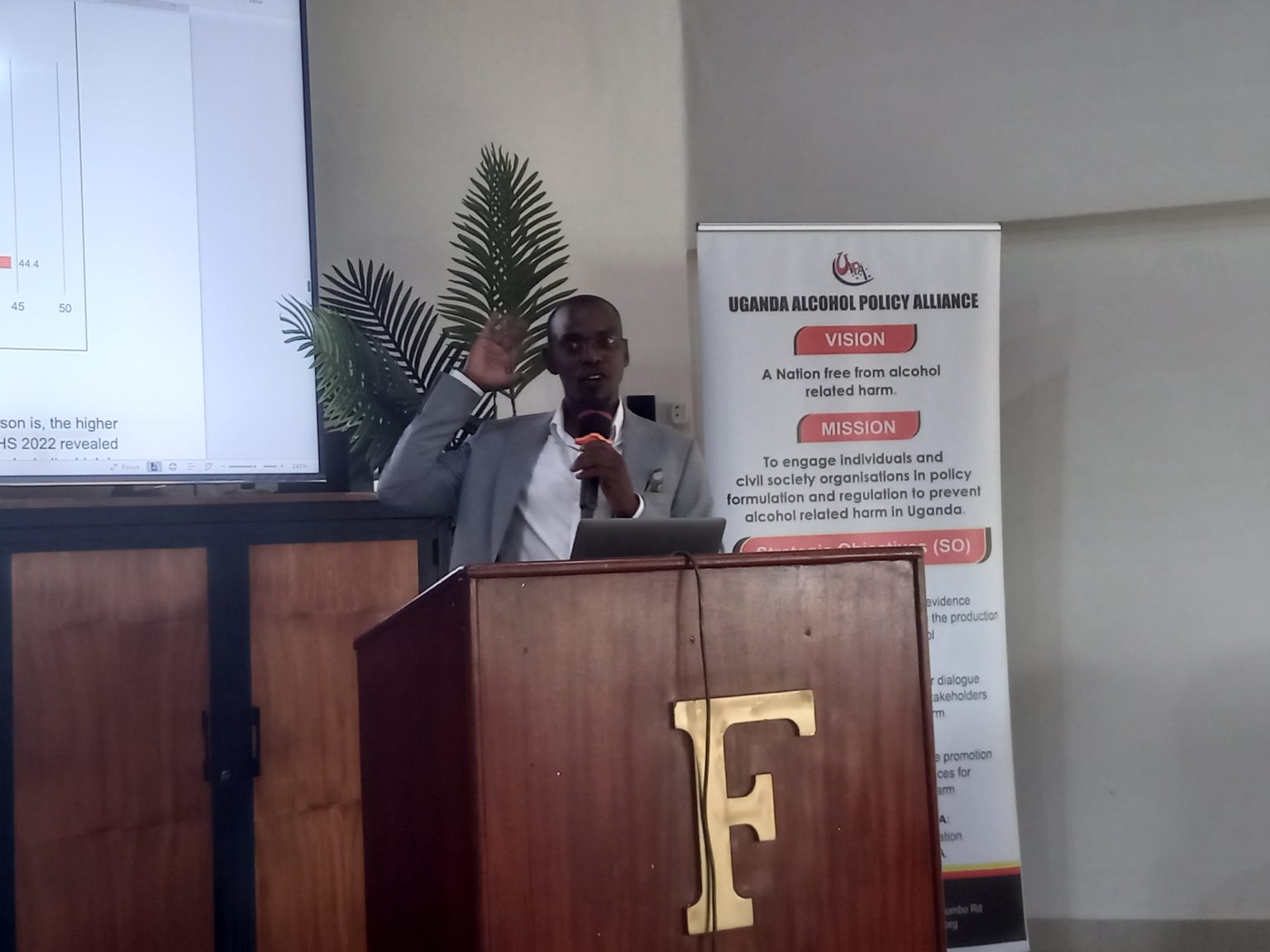
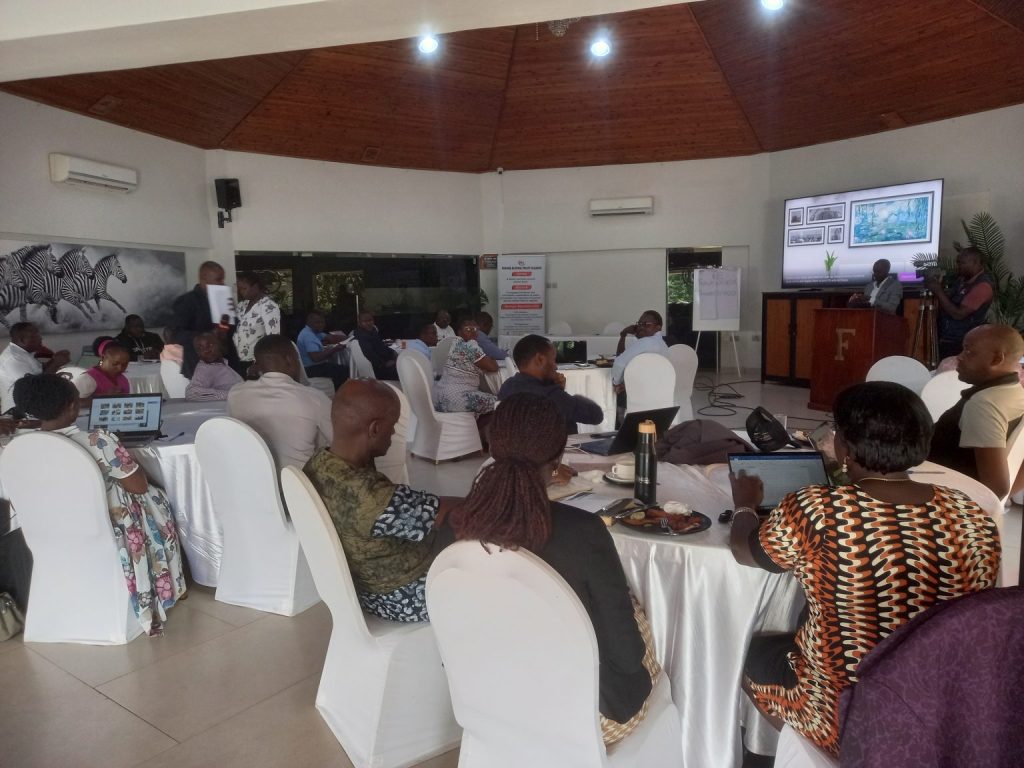
Speaking during the validation of the draft Alcohol Status Report 2026, UAPA Vice Chairman Richard Baguma Tinkasimiire expressed concern over the increasing number of Ugandans consuming alcohol daily.
“It is worrying that more than 25% of the population drinks alcohol daily. Scientific and well-researched data is critical because all interventions must be informed by evidence,” Baguma said.
He added that the increasing number of young people and women consuming alcohol was particularly alarming.
“This country has a youthful population, and women play a central role in families and communities. The damage alcohol causes is enormous, yet there is almost no regulation. People can drink at any time and consume any type of alcohol. We still do not fully understand the economic impact on individuals, families, communities and the country, but we know alcohol is a major driver of domestic violence, road crashes, HIV infections and non-communicable diseases,” he said.
Dr. Hasfa Lukwata Ssentongo, Assistant Commissioner for Mental Health and Substance Abuse at the Ministry of Health, said excessive alcohol consumption has contributed to increased mental health disorders and reduced productivity.
“Alcohol is a gateway to other forms of substance abuse. At Butabika Hospital, the alcohol and drug abuse unit is always full and has a waiting list. You cannot simply walk in for admission because the number of people seeking treatment is very high,” Dr. Lukwata said.
She added that many people who commit serious offences are often under the influence of alcohol or drugs.
Dr. Lukwata called for stronger measures to reduce alcohol availability, including licensing alcohol sellers, restricting street sales, strengthening drink-driving laws, regulating alcohol advertising on mainstream and social media, and increasing taxes on alcohol products.
She also proposed creating a special fund financed by the alcohol industry to support emergency services and alcohol and drug treatment units in hospitals.
Otto Lucy, Assistant Commissioner for Family Affairs at the Ministry of Gender, Labour and Social Development, said alcohol abuse is contributing to family breakdowns, violence and child neglect.
“There is an increasing number of children suffering from depression because either they or their parents abuse alcohol. We are seeing domestic violence, child abuse, school dropouts, early marriages and teenage pregnancies linked to alcohol abuse,” Otto said.
She noted that the ministry is working with other government agencies and organisations such as UAPA to implement community-based interventions, including sensitisation campaigns, community meetings and local by-laws aimed at reducing alcohol abuse.
Prudence Aturinde Mpairwe, General Secretary of UAPA and Project Coordinator at the Uganda Girl Guides Association, also expressed concern over the rising alcohol consumption among women, especially in poor communities.
“The increasing number of women drinking and abusing alcohol raises serious questions about the welfare of children and families. Who is taking care of the children? Who is providing guidance and role modelling? If both parents are heavily involved in alcohol consumption, families are likely to disintegrate,” Mpairwe said.
She added that the report should serve as a wake-up call for both government and stakeholders to strengthen regulations and fast-track the enactment of a national alcohol control law.
