
By Kabuye Ronald
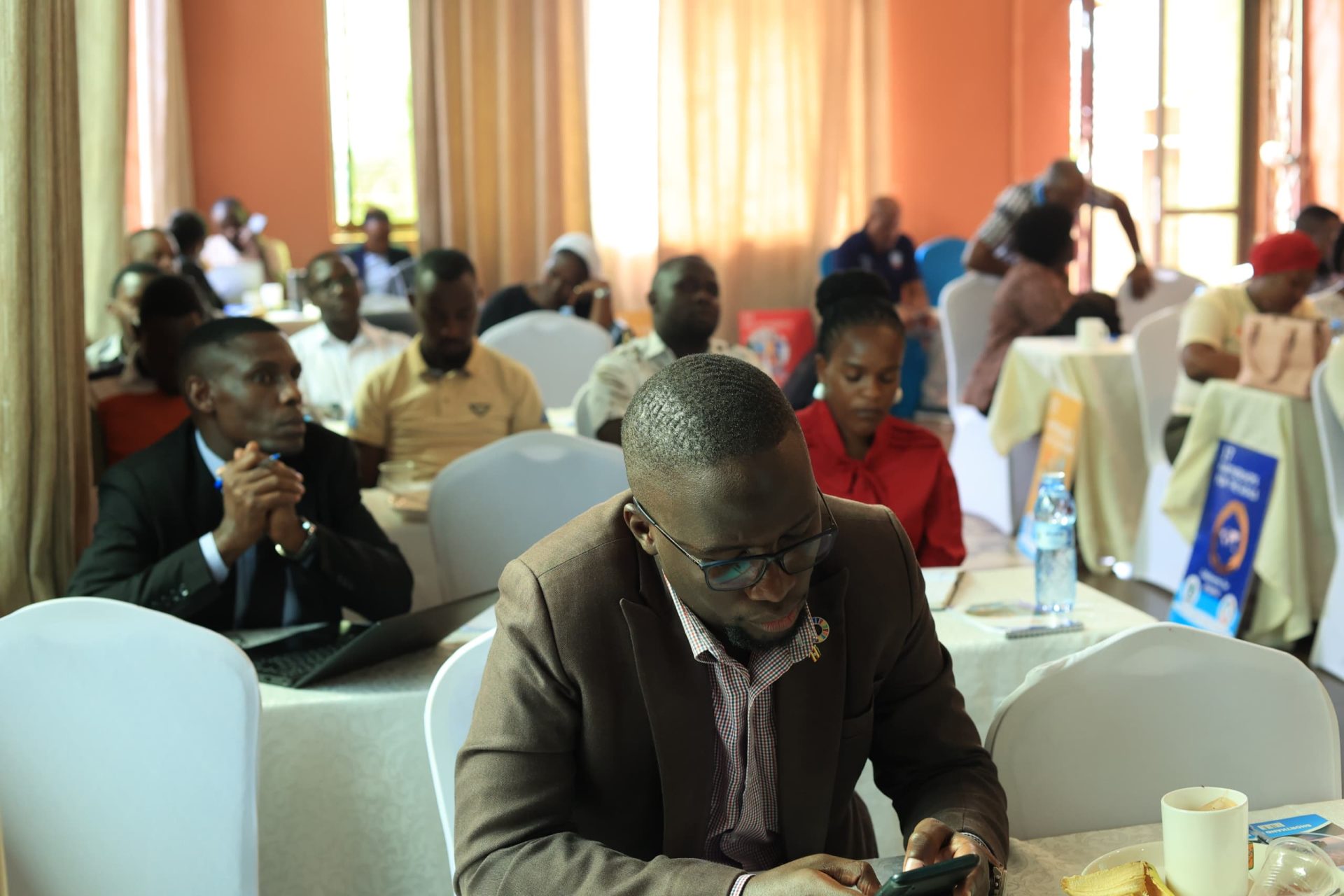
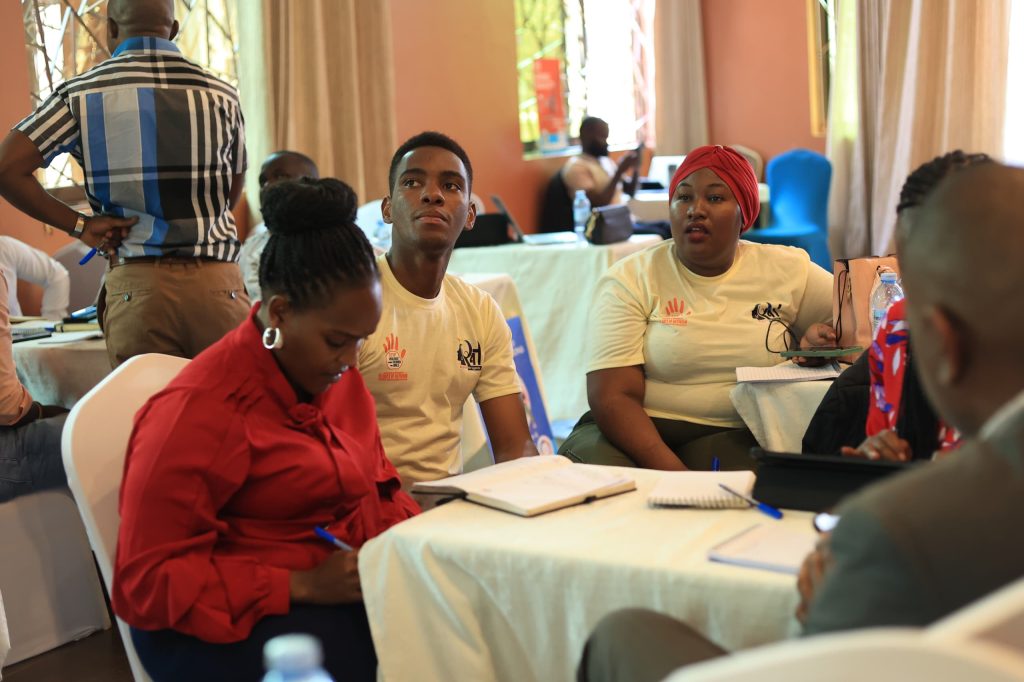
As Uganda and the global community prepare for the upcoming Sustainable Development Goals (SDGs) progress report scheduled for June, civil society organisations (CSOs), led by the United Nations Association in Uganda (UNAU), have convened in Ntinda, Kampala to examine accountability gaps in the implementation of key development targets.

The meeting brought together stakeholders to focus on five SDGs currently under review: Goal 6 (Clean Water and Sanitation), Goal 7 (Affordable and Clean Energy), Goal 9 (Industry, Innovation and Infrastructure), Goal 11 (Sustainable Cities and Communities), and Goal 17 (Partnerships for the Goals).
Linda Asaba, Programmes Manager at UNAU, emphasized the importance of the gathering, noting that CSOs have a critical role in identifying and addressing gaps in SDG implementation.
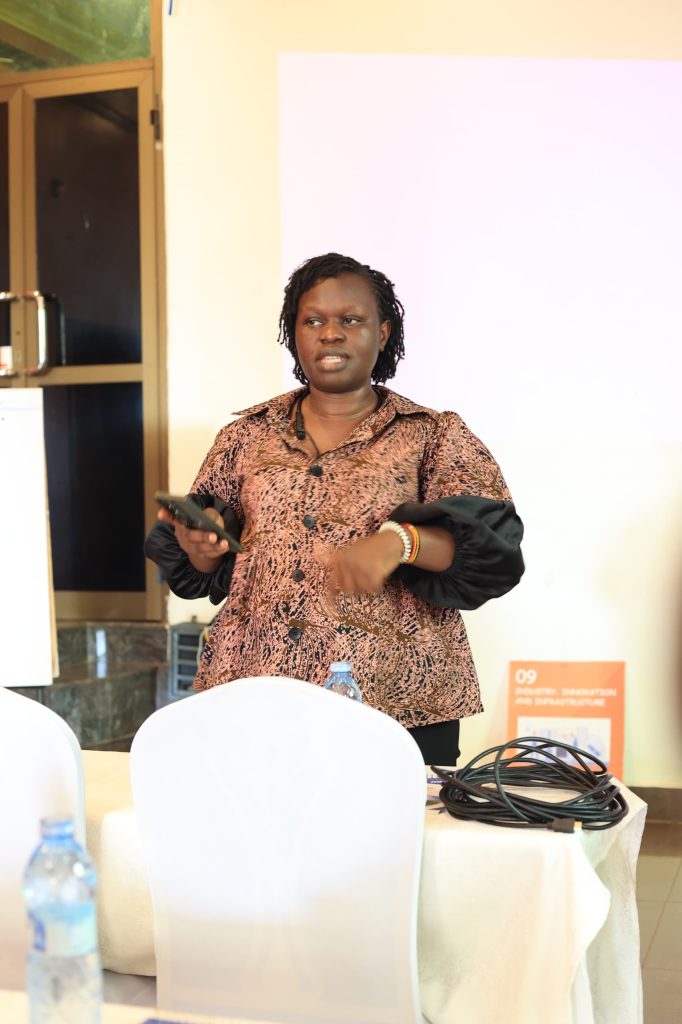
“We think that as CSOs, we need to look at the accountability gaps that exist within the SDGs at large, but also specifically within the goals that are currently under review,” Asaba said.
Explaining the timing of the engagement, Asaba noted that although Uganda will not be presenting a Voluntary National Review (VNR) this year, the annual SDGs progress report remains a key accountability tool.
“We believe that when CSOs come together and examine these gaps, it will inform the different interventions they undertake to help close them. This is also an opportunity to contribute meaningfully to the annual SDG progress report being coordinated under the Office of the Prime Minister’s SDG Secretariat,” she added.
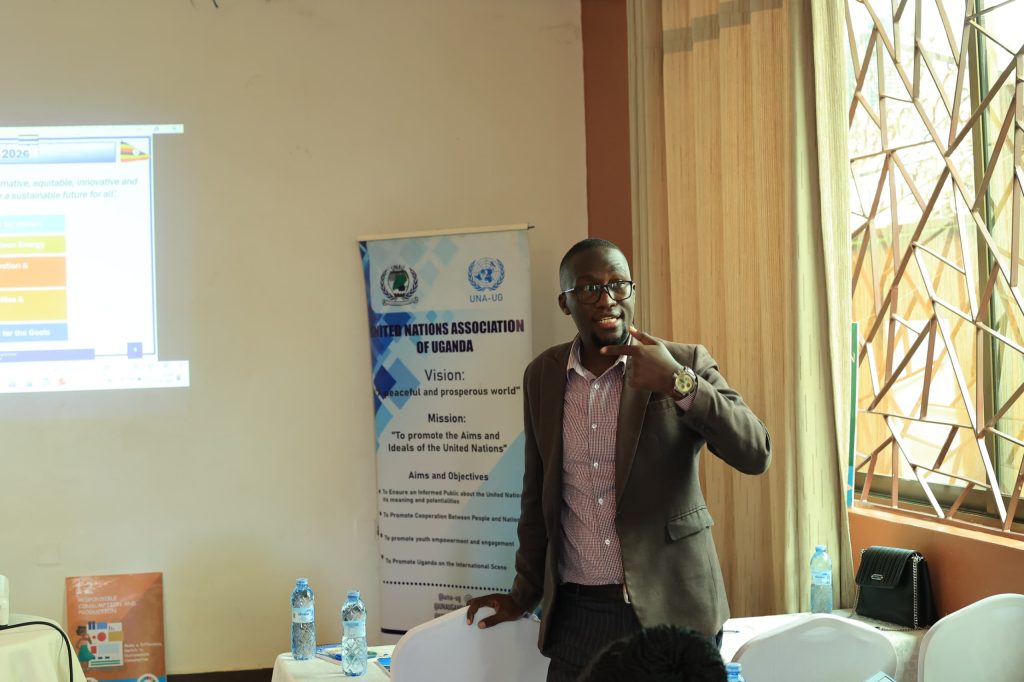
Alvin Mutebi, a member of the Sounding Board of the Royal Danish Embassy, acknowledged that progress has been made in SDG implementation, including increased awareness, efforts toward inclusive participation, localization of the SDGs, and strengthening of local content.
However, he cautioned that significant challenges remain.
“There is still a lot that needs to be done,” Mutebi said. “Key issues include low funding in critical areas of SDG implementation, the lack of a clear and streamlined coordination mechanism, and persistent information gaps—especially in how communication flows from central institutions to ordinary citizens.”
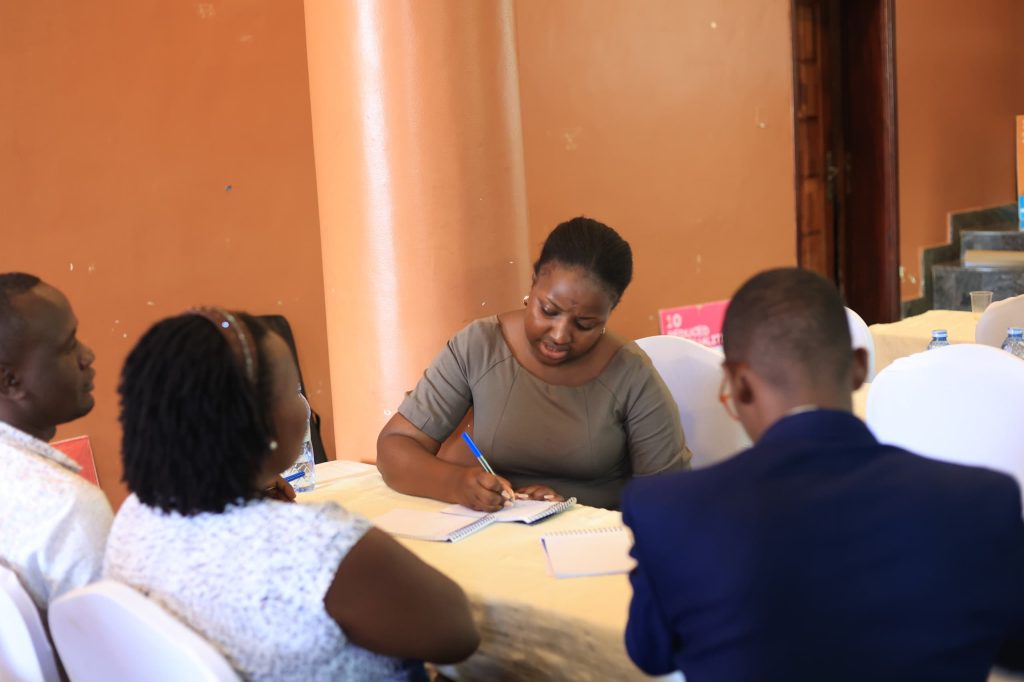
He also highlighted limited public engagement as a concern, pointing to a low level of willingness and interest among citizens to participate in SDG-related discussions.
“There is a need to strengthen communication strategies and make the SDGs more relatable to the everyday lives of citizens,” he added.
The discussions come ahead of the 2026 High-Level Political Forum (HLPF), which will be held under the theme: “Transformative, equitable, innovative and coordinated actions for the 2030 Agenda and its SDGs for a sustainable future for all.”
Participants expressed optimism that strengthened collaboration among CSOs, government agencies, and development partners will help bridge accountability gaps and accelerate Uganda’s progress toward achieving the SDGs by 2030.
