
By Elijah Khisa
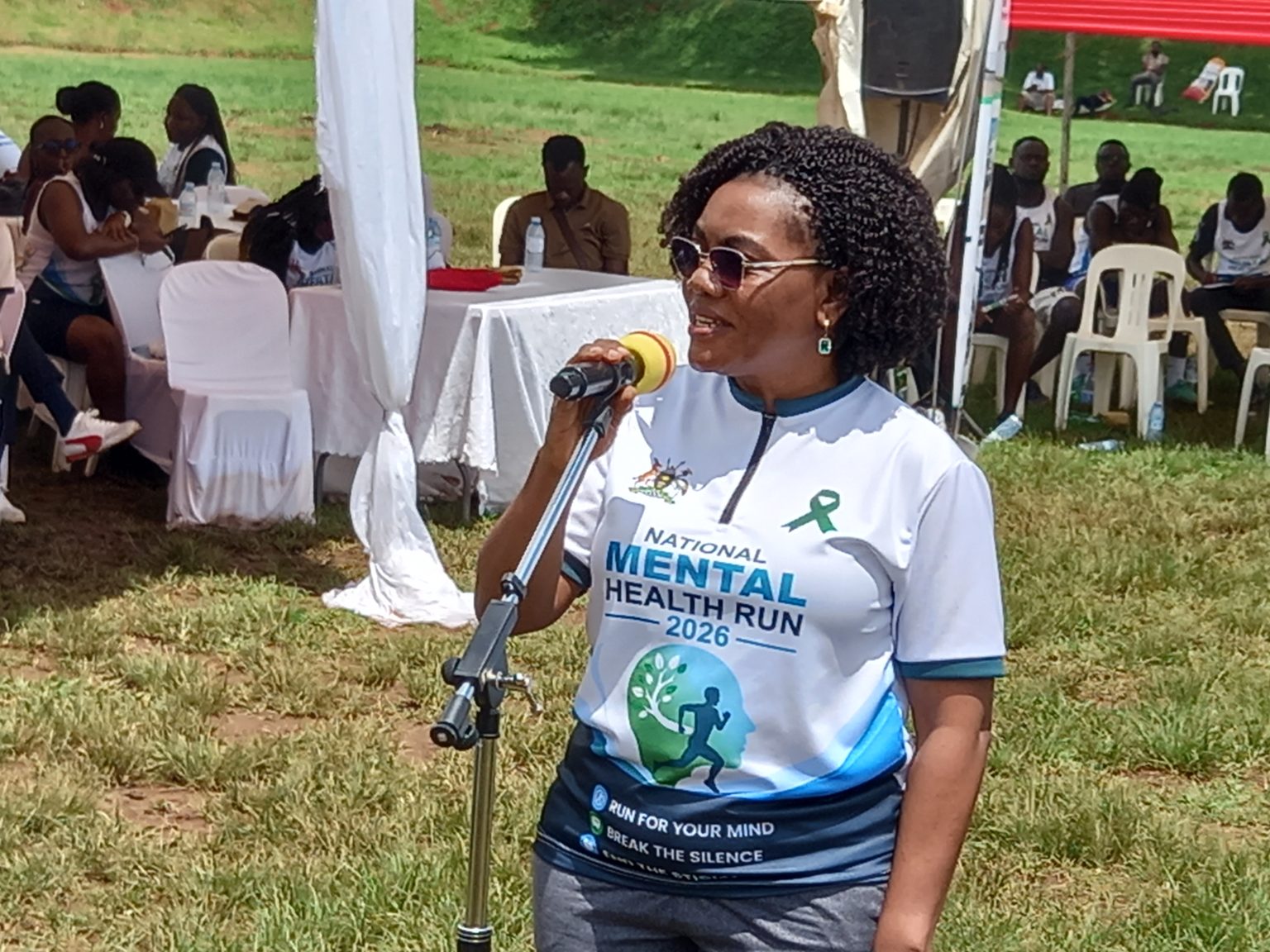
The Executive Director of Butabika National Referral Mental Hospital, Dr Juliet Nakku, has announced the establishment of a free telephone call centre to provide support to people experiencing mental health challenges amid growing concerns over the increasing burden of mental illness in Uganda.

Nakku said the helpline, 0800211306, is available to members of the public seeking mental health support, with a consultant on hand to provide assistance.
She also called on the government to prioritise mental health and recognise it as an urgent medical concern deserving a dedicated statutory budget allocation approved by Parliament.
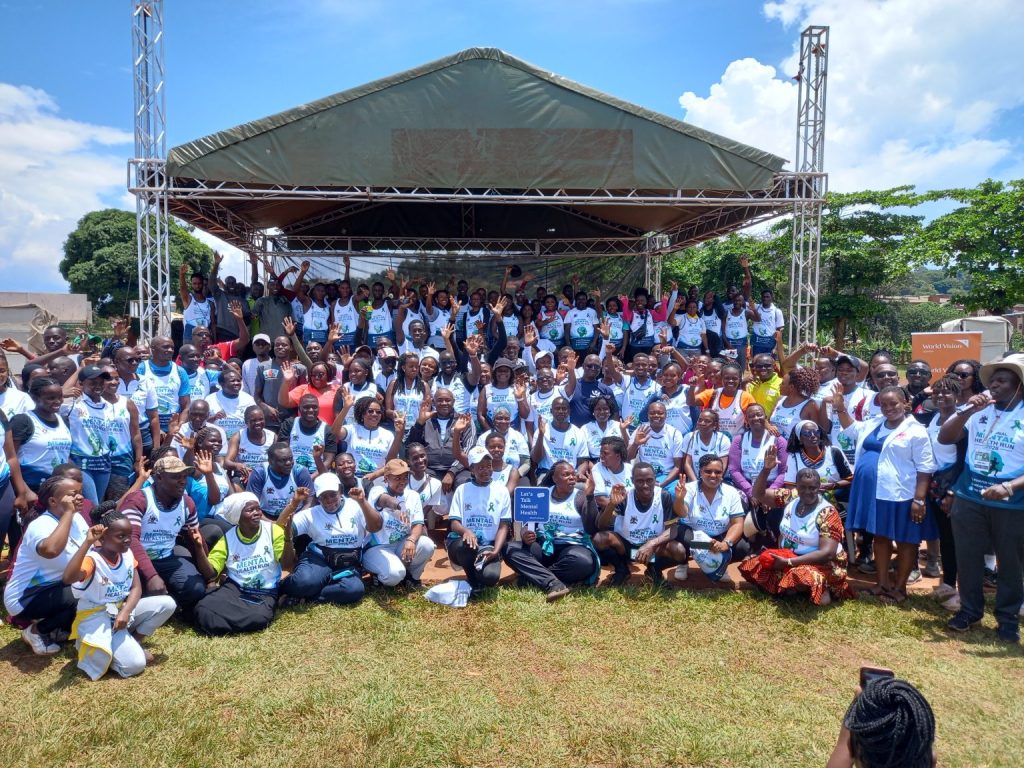
Nakku made the remarks on October 11, 2026, during the climax of the 2026 International Mental Health Day marathon celebrations held at Makerere University Business School (MUBS) sports grounds.
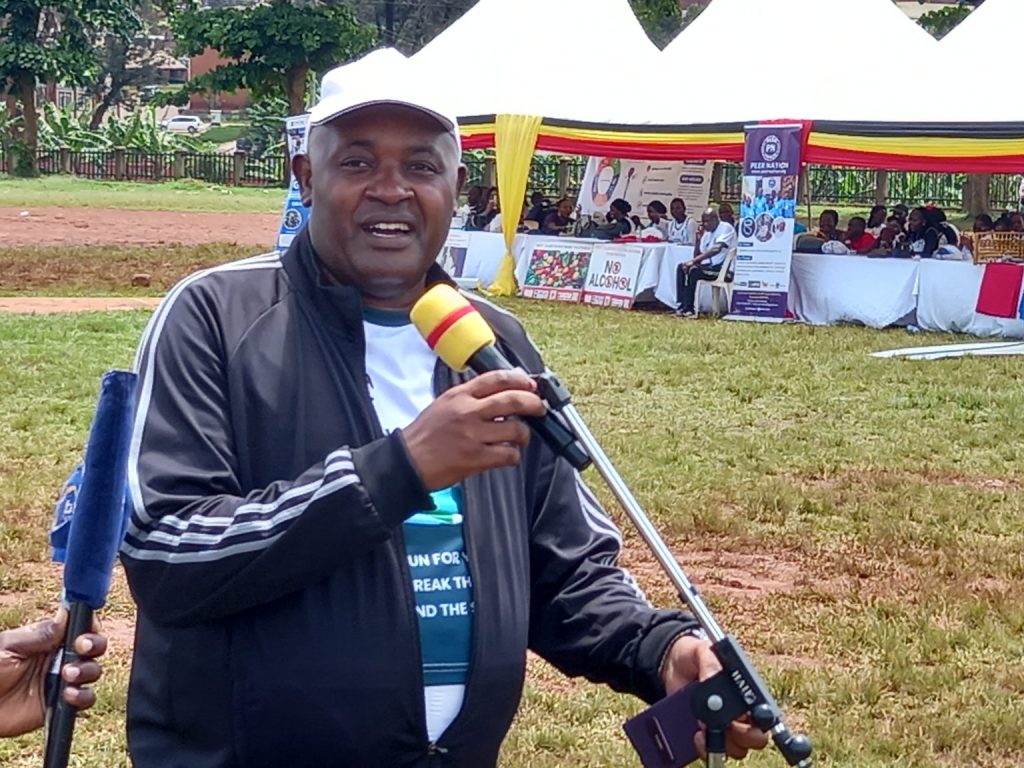
Addressing the Minister of Health, Dr Chris Baryomunsi, who was the chief runner and guest of honour, Nakku said mental health should be treated like any other medical condition and formally recognised as a national health priority.
She argued that mental health is not only a public health concern but also an economic development issue that requires deliberate government investment.
Nakku warned against treating mental health as a minor component of the non-communicable diseases (NCDs) category, which encompasses several long-term illnesses.
She described the growing mental health burden as a potential national security concern, particularly because young people constitute a significant proportion of Uganda’s productive workforce and contribute to the economy through their labour and taxes.
Nakku called for a deliberate policy requiring officials from the ministries responsible for education, local government, and gender, labour and social development to integrate mental health awareness into their programmes.
The Commissioner for Mental Health at the Ministry of Health, Dr Hasifa Lukwata, called for concerted efforts by stakeholders to provide technical support to vulnerable communities facing challenges such as domestic violence, discrimination and stigma.
In his response, Baryomunsi acknowledged the widespread nature of mental health challenges and called for greater attention to their underlying causes.

He said the government and other stakeholders should mobilise more resources to address the root causes of the growing burden, particularly among young people, who form a substantial part of the country’s workforce.
The minister agreed with Nakku that mental health should be mainstreamed as a national priority and receive a dedicated budget allocation rather than being treated as part of the broader NCDs funding framework.
“This is a serious issue on which the government must raise the banner and ensure we advocate for supportive legislative interventions as a deliberate strategy not to leave anyone behind,” Baryomunsi said.
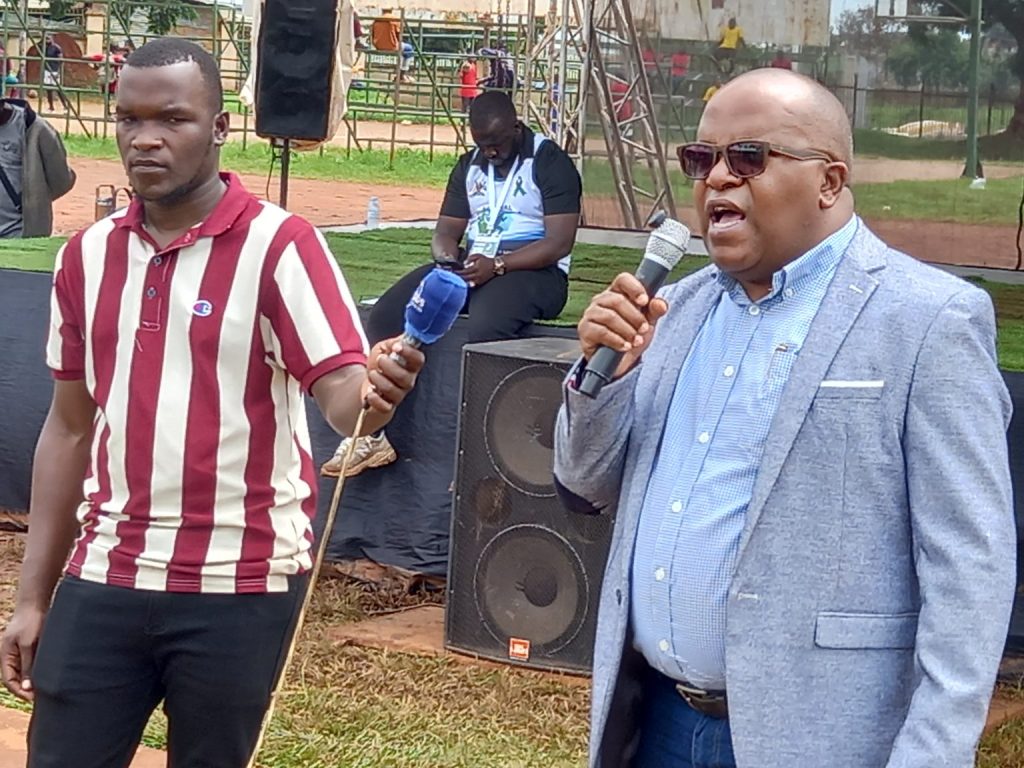
The Parliamentary Forum on Mental Health, whose patron is Speaker of Parliament Jacob Oboth-Oboth, expressed concern over the increasing number of mental health cases, particularly among young people.
The forum’s vice-chairperson, Christopher Komakech, the Member of Parliament for Aruu County in Pader District, who represented the Speaker, said Parliament should consider increasing the mental health budget from the current one per cent to a higher allocation.
Komakech said the effects of mental health conditions extend beyond the health sector, affecting productivity and the wider economy.
He called on members of the parliamentary forum to intensify lobbying efforts for increased funding to support the training and capacity-building of health workers, politicians and education officials, as well as public awareness campaigns.

He said additional resources would help strengthen the country’s response to mental health challenges and improve access to appropriate support services.
Stakeholders call for an end to stigma
The Mayor of Nakawa Division, Ali Bukeni, expressed concern that people experiencing mental health challenges continued to suffer discrimination, isolation and marginalisation.
He called for collective action by government agencies, civil society organisations and communities to support affected people instead of isolating them.
Christopher Kwizera, the National Programme Manager of the Uganda Non-Communicable Diseases Alliance (UNCDA), said civil society organisations needed government support to strengthen efforts to address mental health challenges, which are among the concerns associated with the broader NCD burden.
Kwizera commended the Ministry of Health and development partners for working with civil society organisations to reach underserved and hard-to-reach communities affected by NCDs.
Moses Okwera of Mental and Reproductive Health Uganda (MRHU) said the organisation was working with the Ministry of Health and other technical health agencies to take messages of hope to communities and discourage discrimination against people experiencing mental health conditions.
Okwera, a former councillor in Nakawa Division, also commended the government and Butabika Hospital for collaborating with civil society organisations to strengthen healthcare providers’ capacity to educate communities about the dangers of drug addiction, alcoholism and domestic violence, particularly among young people.
He said addressing these challenges was essential to protecting the health and well-being of vulnerable populations.
Richard Baligwa Mukasa of the Bipolar Association of Uganda shared his personal experience with mental health challenges, saying he began experiencing the condition at the age of 19 while still in school.
He said many young people were silently struggling with mental health conditions but were reluctant to seek professional medical support.
According to Mukasa, limited awareness among families and surrounding communities about mental illness and its effects continued to prevent affected people from seeking help.
He called for increased public education and community support to encourage early intervention and help people experiencing mental health challenges access professional care without fear of discrimination.
