
By Elijah Khisa
The government has submitted a draft Arts Council proposal to Cabinet for consideration and approval, in a move aimed at establishing a regulatory framework for Uganda’s creative industry.

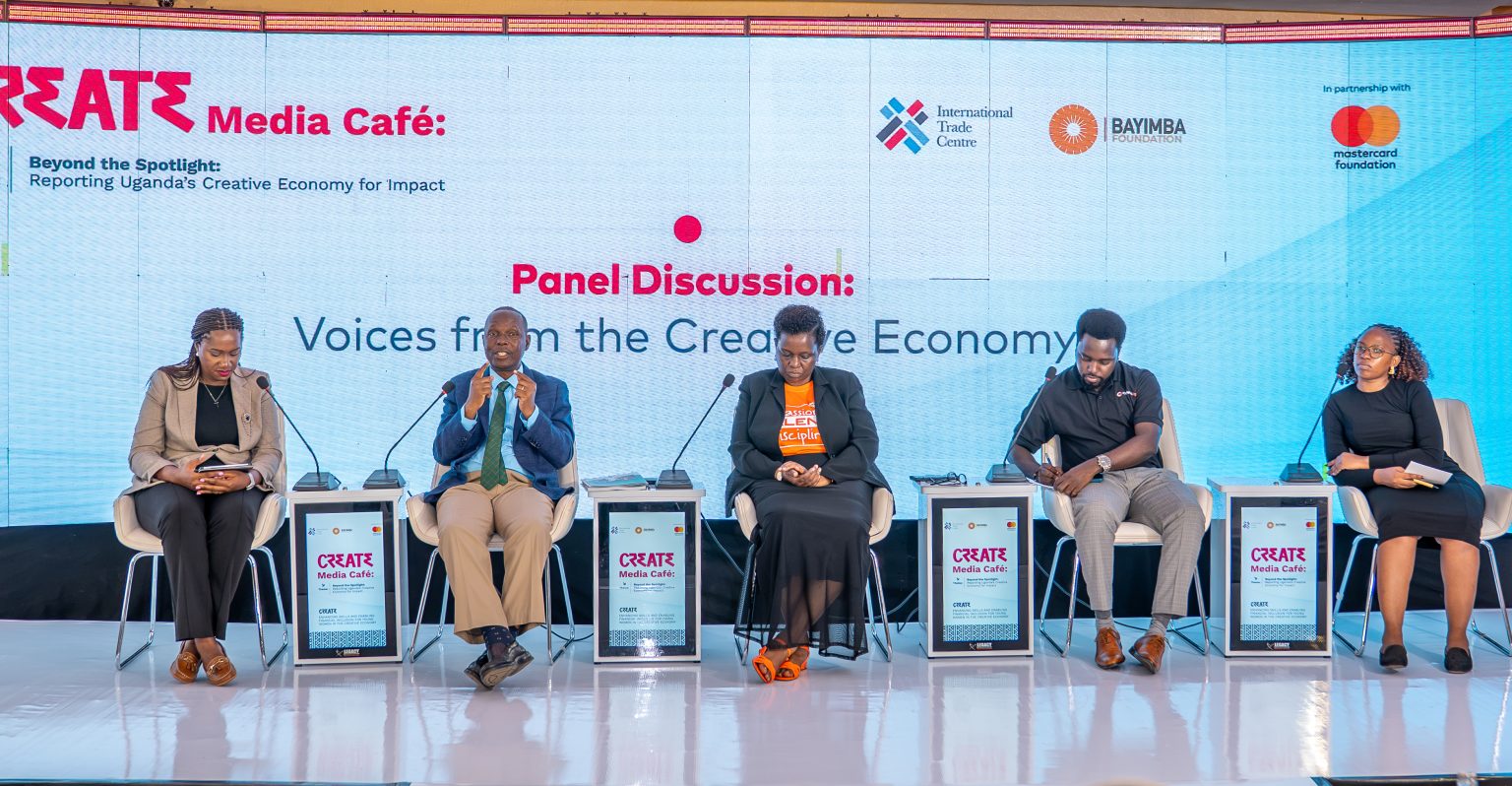
Bernard Bakaye Lubega, the Commissioner for Culture and Family Affairs at the Ministry of Gender, Labour and Social Development, revealed this on Monday, October 26, 2026, during the launch of the Create Media Café 2026 engagement held at Golden Tulip Hotel in Nakasero, Kampala.
The engagement was held under the theme, “Beyond the Spotlight: Reporting Uganda’s Creative Economy for Impact.”
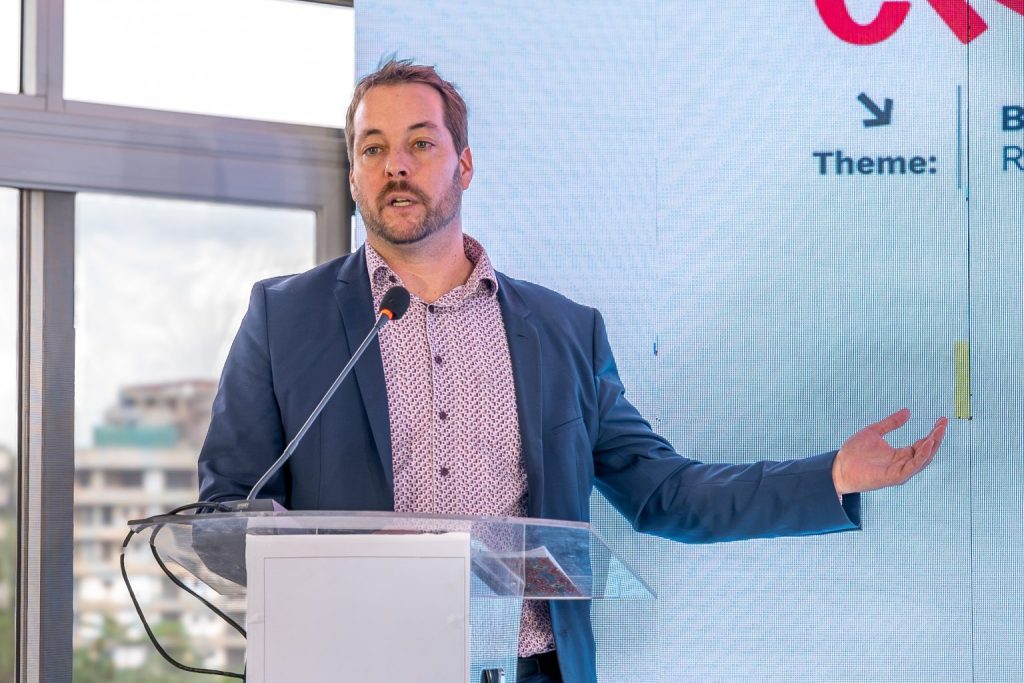
Organised by the International Trade Centre (ITC) on behalf of the CREATE Consortium, the event brought together media practitioners, creatives and government officials to strengthen collaboration and promote in-depth reporting on Uganda’s creative industry.
Lubega said the proposed Arts Council is part of the revised Culture Policy developed by the Ministry of Gender, Labour and Social Development and submitted to Cabinet for consideration and approval.
He explained that the council would help establish a regulatory framework for creatives across various sectors, ensuring adherence to professional standards, ethics and quality in the production of creative works.
According to Lubega, a well-regulated policy environment would enhance the competitiveness of Uganda’s creative products and services in both local and international markets.
He noted that the framework would also support the growth of youth-led small and medium enterprises (SMEs) operating across the creative industry value chain.
Lubega urged young people to embrace available economic empowerment opportunities instead of relying on government handouts, warning that dependence on handouts could leave many unemployed, unproductive and less competitive.

He encouraged creatives to take advantage of government programmes such as Emyooga and the Parish Development Model (PDM) to access resources and grow their enterprises.
The interactive engagement provided a platform for dialogue between journalists, creative industry players and government technical officers on how the creative economy can be better covered and its contribution to national development highlighted.
Participants included representatives from the Ministry of Gender, Labour and Social Development, the Uganda Media Council (UMC), the Uganda National Cultural Centre (UNCC), the Uganda Cultural Forum, as well as players in fashion and design, music, literature and other creative sectors.
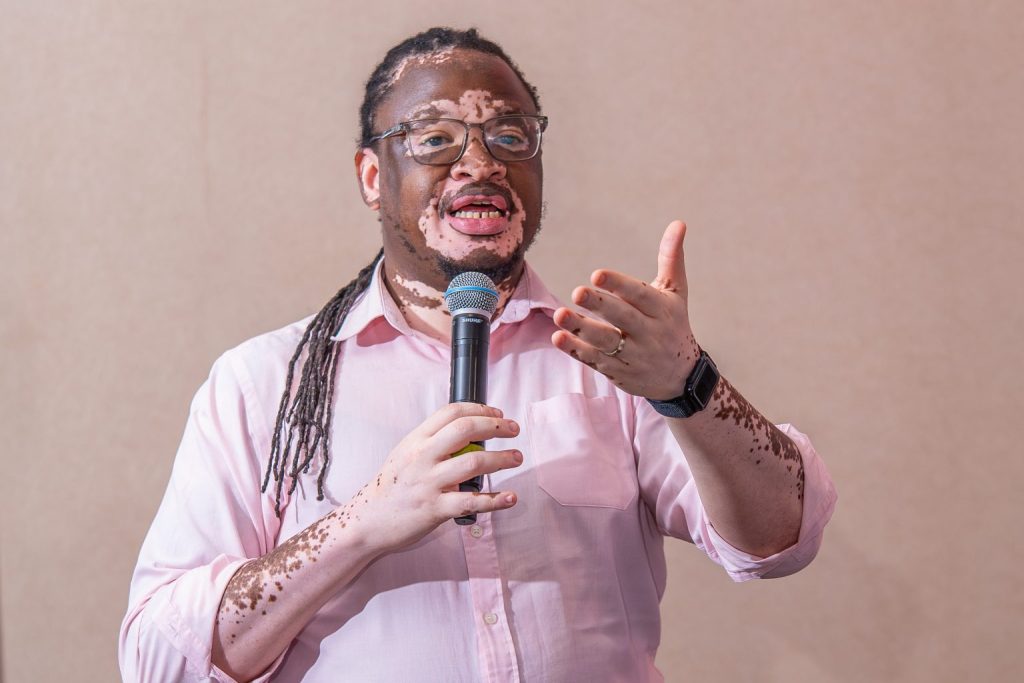
ITC Programme Manager Deborah Asikeit provided an overview of the CREATE programme, while Raimund Moser, Chief of Women, Youth and Vulnerable Communities, highlighted the enormous opportunities embedded in the initiative.
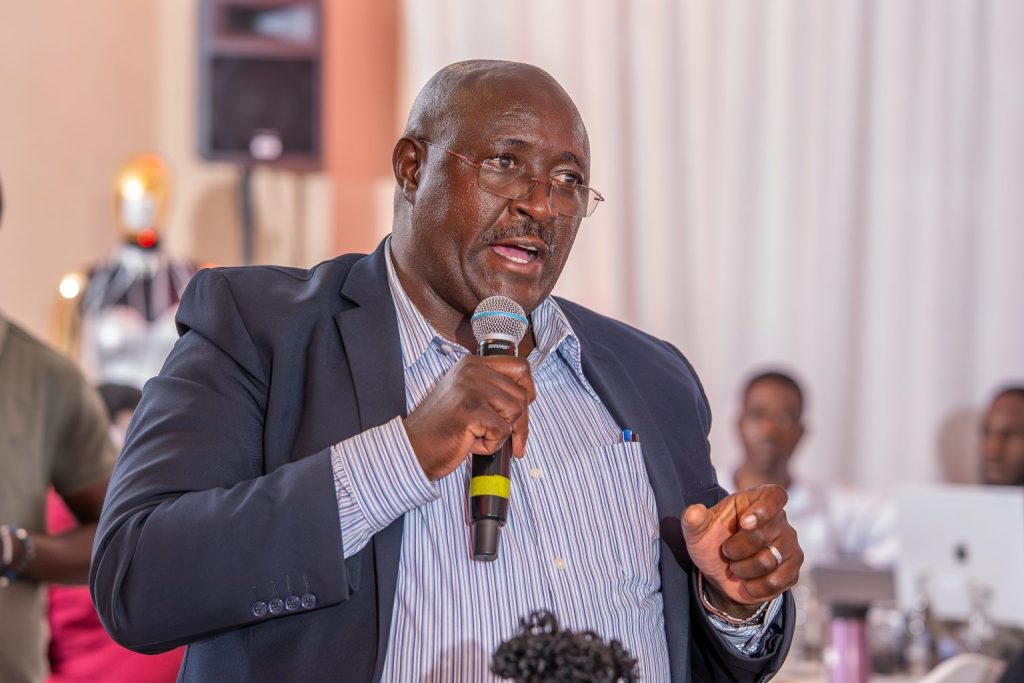
Moser encouraged more young people to enrol in the programme and take advantage of its opportunities.
Phiona Bukulu, the ITC Communications Lead, moderated panel discussions focusing on voices from the creative economy, the media’s role in Uganda’s creative economy, reflections, next steps and future collaboration.
The panel featured creative industry veteran Mariam Ndagire, founder of the Mariam Ndagire Foundation; Lubega; Patrick Ssentongo, an arts and culture journalist with Daily Monitor Publications; and Dorothy Ntenyingi, founder of Kristy Creatives, among others.
The engagement aimed to strengthen dialogue with the media on how the creative economy can be reported more effectively, with a focus on its economic and social impact beyond entertainment and tabloid coverage.
It also sought to introduce the CREATE programme, its objectives, pillars, sub-sectors and partners, while highlighting its contribution to promoting dignified and fulfilling work for young women.
The initiative further seeks to establish and strengthen relationships between the programme and mainstream and digital media stakeholders to support accurate, consistent and informed reporting on the creative economy.
Through the engagement, CREATE and its consortium partners were positioned as credible voices on the creative economy, women’s economic participation, creative enterprise and inclusive finance.
Participants were also encouraged to embrace participant-first and solutions-oriented reporting that highlights challenges facing creatives while exploring practical solutions and opportunities for growth.
