
By Jumah Kakomo
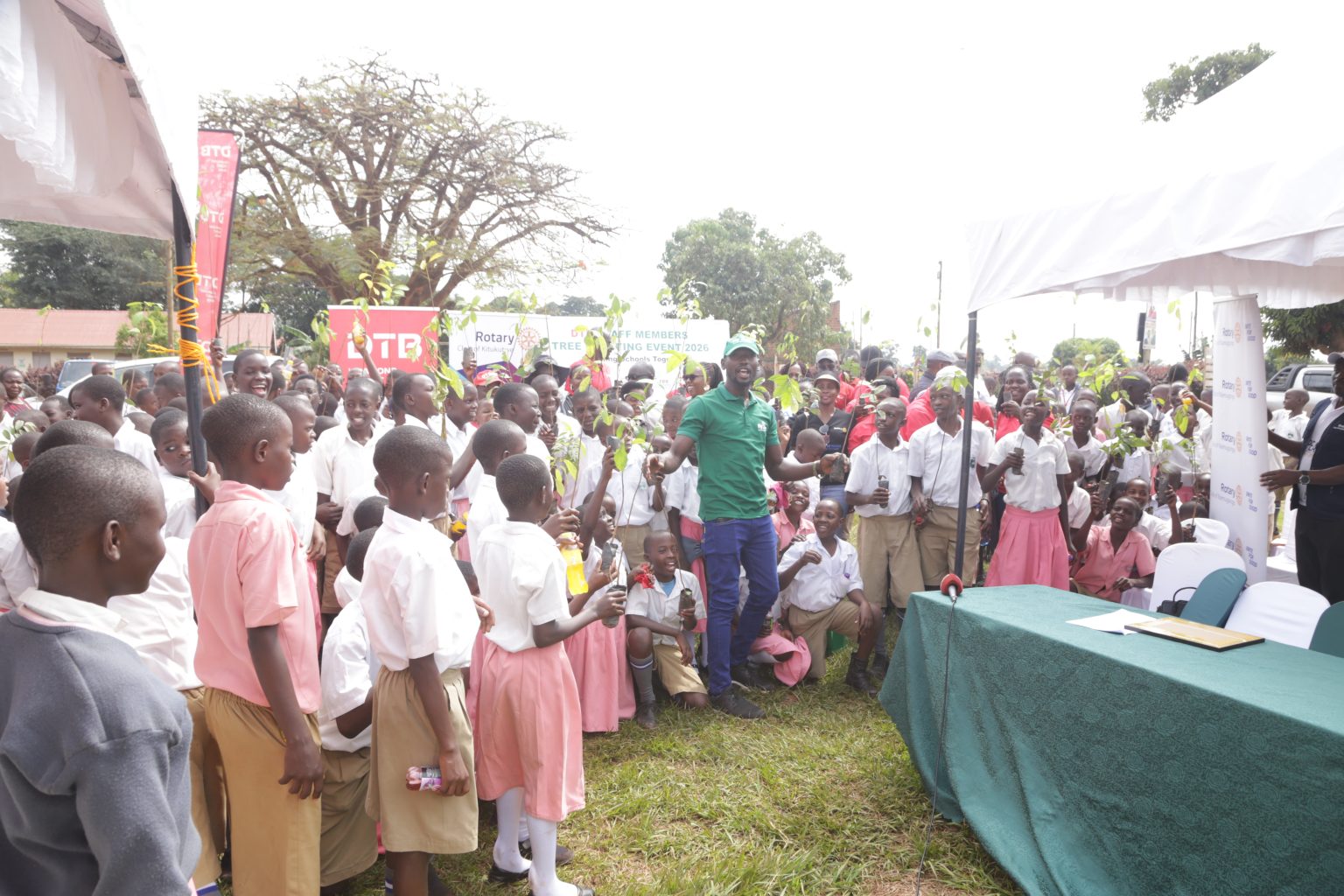
My Trees Initiative has intensified efforts to restore green spaces in Kira Town Council by gifting and planting 600 tree seedlings at Kikukutwe Church of Uganda Primary School.
The exercise follows the recent launch of a 3,000-tree planting campaign at Atalas High School in Gayaza, Wakiso District, aimed at promoting environmental conservation and climate resilience.

The campaign seeks to increase the planting of indigenous and fruit trees in schools and surrounding communities while encouraging environmental stewardship among young people.
The tree-planting exercise, held on Saturday, attracted pupils, teachers, development partners, and community members who participated in planting trees around classrooms, playgrounds, and school boundaries.
Speaking during the event, the Executive Director of My Trees Initiative, Enjer Ashiraf Ddumba, said schools were strategically selected because children are the future custodians of the environment.
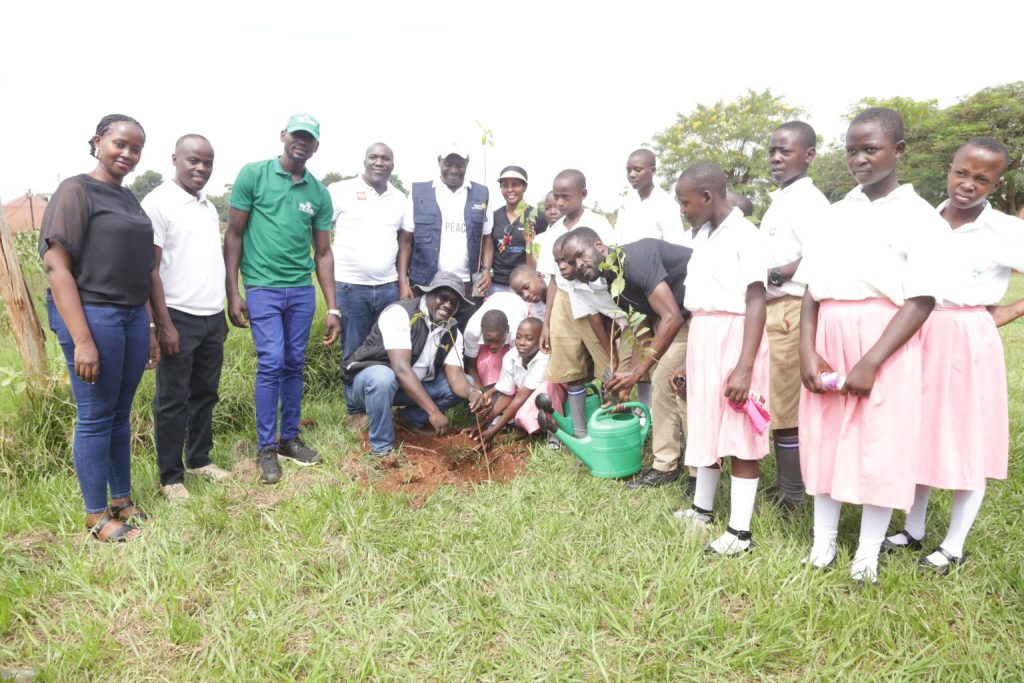
“Greening Kira Town Council starts with schools because children are the future guardians of the environment,” Ddumba said. “By gifting and planting 600 trees at Kikukutwe Primary School, we are investing in shade, clean air, and climate resilience for the community.”
He noted that Kikukutwe Church of Uganda Primary School is among several schools targeted under the initiative this year as part of efforts to restore green spaces and instill environmental values among learners.
“Every tree planted today is a step toward a cooler and healthier Kira,” he added. “We will continue monitoring the survival rates of the trees and work closely with schools to ensure they grow to maturity.”
The Head Teacher of Kikukutwe Church of Uganda Primary School, Sarah Kabonge, welcomed the support and pledged that the school would nurture and protect the seedlings until they mature.
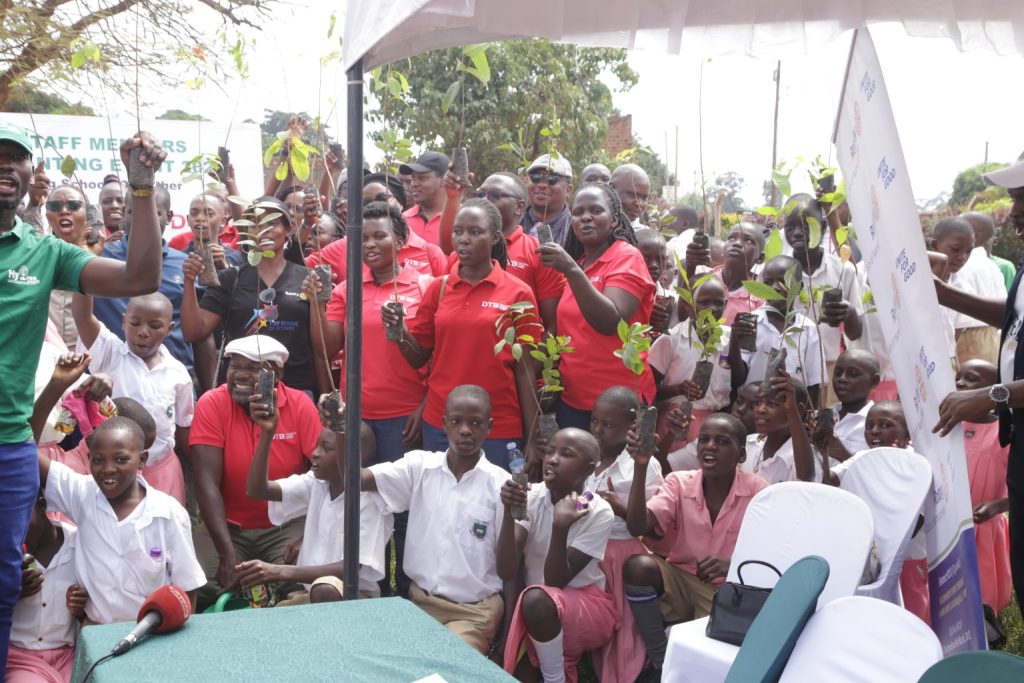
She observed that Kira Municipality continues to face environmental challenges, including rising temperatures and flooding caused by rapid urbanization and the loss of green cover.
Kabonge also encouraged learners and community members to replicate tree-planting efforts in their homes and places of worship.
The President of Rotary Club Kikukutwe, Morris Ninsiima, emphasized the importance of introducing environmental conservation to children at an early age.
“Once children grow up loving the environment, they will protect it without being forced,” Ninsiima said. “If we teach a child today to plant a tree and care for it, that child will grow up and discourage others from destroying forests. Love for nature is learned early.”
He revealed that Rotary Club Kikukutwe is partnering with schools to establish environmental clubs where pupils will plant trees, maintain gardens, and promote cleanliness within their compounds.
“We do not just give them seedlings; we teach them why each tree matters for rainfall, clean air, and soil conservation,” he explained. “A child who waters a tree every day develops responsibility and grows up understanding the importance of protecting wetlands and preventing environmental degradation.”
The President of Rotary Club Namugongo, Dr. John Kameri, urged Ugandans to embrace environmental conservation, describing it as a collective responsibility rather than a choice.
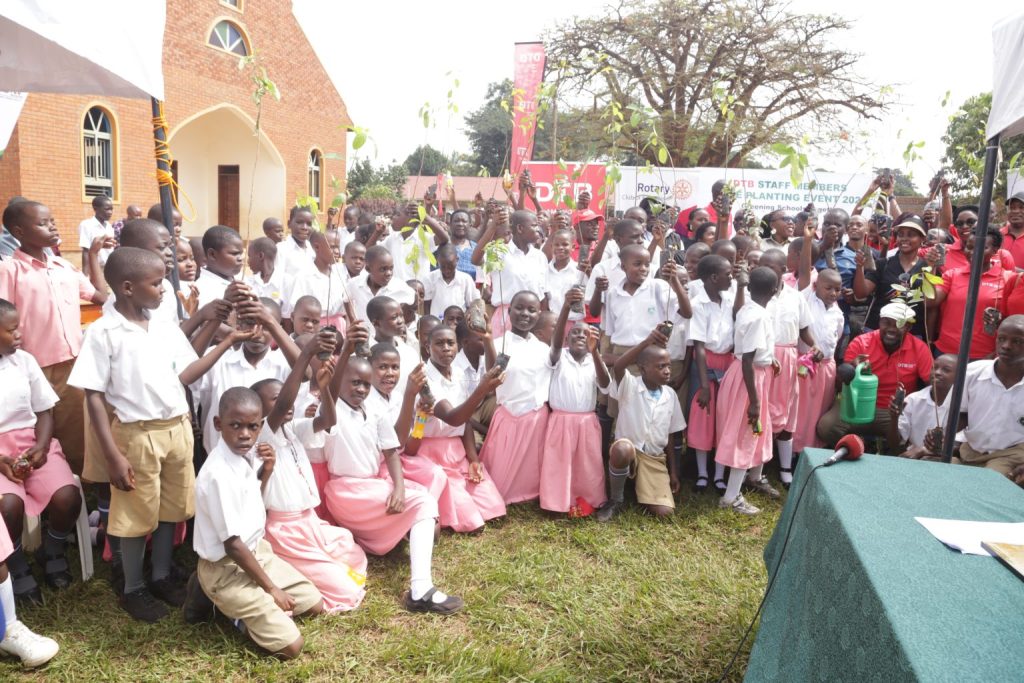
“Environmental conservation is not an option; it is everyone’s responsibility,” Dr. Kameri said. “Every Ugandan must ask themselves what they are doing to protect the air, water, and soil for future generations.”
He commended government efforts to restore degraded ecosystems and said recent action against wetland encroachment demonstrates the country’s commitment to environmental protection.
“Uganda has been keen on protecting the environment, which is why we have recently seen the eviction of encroachers from wetlands,” he said. “Wetlands are not empty land; they store water, prevent flooding, and support agriculture. When we destroy them, we destroy ourselves.”
Dr. Kameri added that Rotary Club Namugongo is complementing government efforts through tree-planting initiatives, school environmental clubs, and campaigns against plastic pollution.
He urged citizens, property developers, and business owners to comply with environmental regulations and preserve buffer zones around wetlands and water sources.
“If we all take responsibility, there will be no need for forceful evictions,” he said. “Conservation begins with planting a tree, avoiding littering, and protecting the natural environment around us.”
The initiative forms part of broader efforts by environmental stakeholders to promote sustainable development and strengthen climate resilience in rapidly urbanizing communities across Wakiso District.
With thousands of trees earmarked for planting this year, the campaign is expected to contribute significantly to restoring green cover, improving air quality, and fostering a culture of environmental responsibility among future generations.
