
By Robert Segawa
Security Minister Jim Muhwezi has told Parliament that Uganda’s digital number plate tracking system is operational and has helped security agencies trace and recover stolen vehicles, including one police vehicle traced to Kenya.

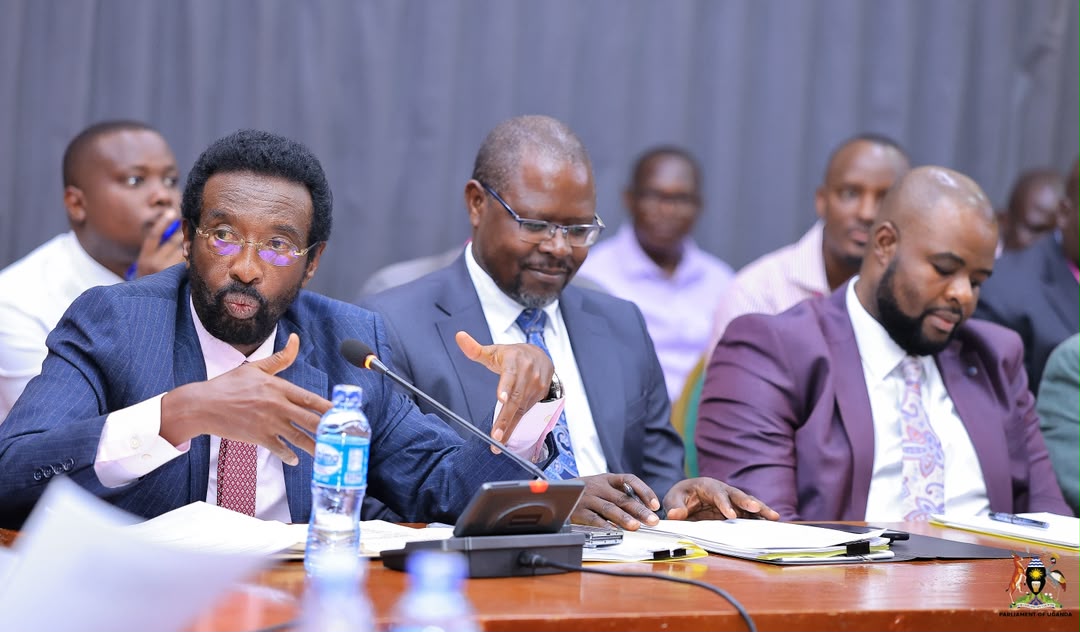
Muhwezi made the remarks on Wednesday, September 30, 2026, while appearing before the House Committee on Physical Infrastructure alongside the Minister of State for Internal Affairs, Juma Witonze, and the Minister of State for Works and Transport (Transport), Julius Wandera.
The committee, chaired by Mwine Mpaka, is investigating delays in the supply and installation of digital number plates and asked the ministers to explain whether the tracking component of the system was actually functional.
James Waluswaka, the NRM MP for Bunyole West County, questioned the effectiveness of the trackers, recalling that following the killing of former Arua Municipality MP Ibrahim Abiriga in June 2018, President Museveni had emphasised the need for vehicle tracking technology.

“I need an answer from the Minister in regards to this, because I have serious questions. Do these trackers really work?” Waluswaka asked.
Muhwezi responded that the system was operational across Uganda and could also assist in tracing vehicles beyond the country’s borders.
“The system is working; it covers the whole country. A Police vehicle was stolen and the system traced it to Kenya, and it was recovered because of the digital plates. So, it covers Uganda and beyond,” Muhwezi said.
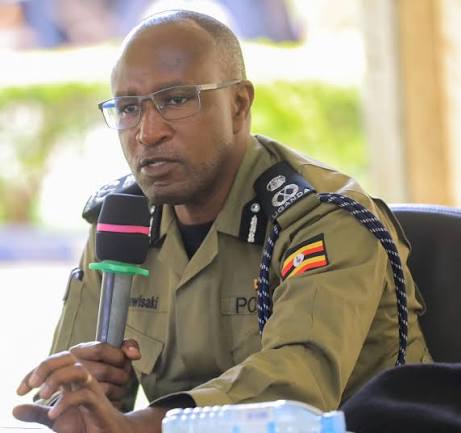
Felix Baryamwisaki, the Uganda Police Director of ICT who manages the Integrated Transport Management System (ITMS), told the committee that the system had so far contributed to a 90 per cent recovery rate for stolen vehicles and vehicles linked to crime.
According to Baryamwisaki, 337 of the 375 stolen motor vehicles recorded had been recovered.
However, he said recovery of motorcycles remained a challenge, with only 174 of the 782 stolen motorcycles fitted with digital number plates recovered, representing a recovery rate of about 22 per cent.
“This one will be solved. It is very low and this is countrywide. The tracker is in the GPS and not cameras,” Baryamwisaki said.

The committee was also informed that the waiting period for motorists seeking digital number plates has significantly reduced.
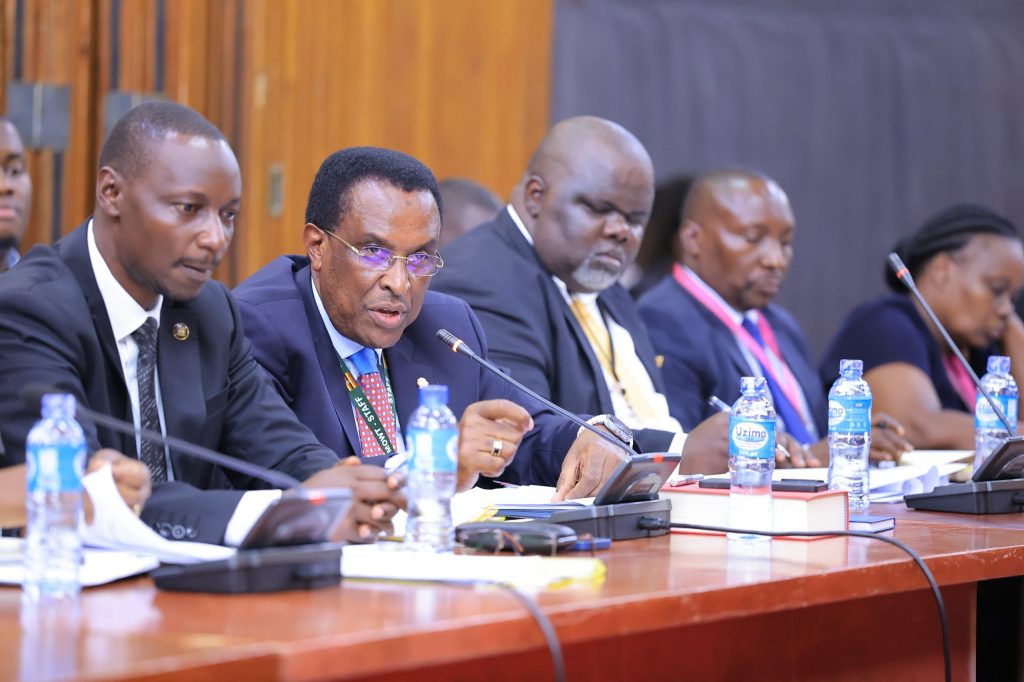
Winston Katushabe, Commissioner for Transport Regulation and Safety at the Ministry of Works and Transport, said the average waiting time for digital plates at Kampala bonds had fallen from 19 days in December 2025 to two days in September 2026.
He said vehicles entering Uganda through the Malaba and Mutukula One Stop Border Posts could have their plates fitted in about three hours.
“Going by the current trends, I would think there is now some sanity. Of course, challenges notwithstanding, there could be other challenges, system-related and the rest. But in terms of customers now getting these number plates in real time, if you go through the process, they now have the installation kits,” Katushabe said.
The Ministry’s latest implementation report indicates that shortages of digital registration plate components had been resolved by August 2026, with supplies restored and the backlog cleared during the same month.
The report also shows that the average registration and fitment time at bonds fell from six days in July to two days in September.
In September, 72 per cent of cases were completed within two calendar days, compared with 33 per cent in July.
The parliamentary scrutiny comes after earlier complaints over delays in the issuance of digital number plates affected motorists, vehicle dealers and other stakeholders.
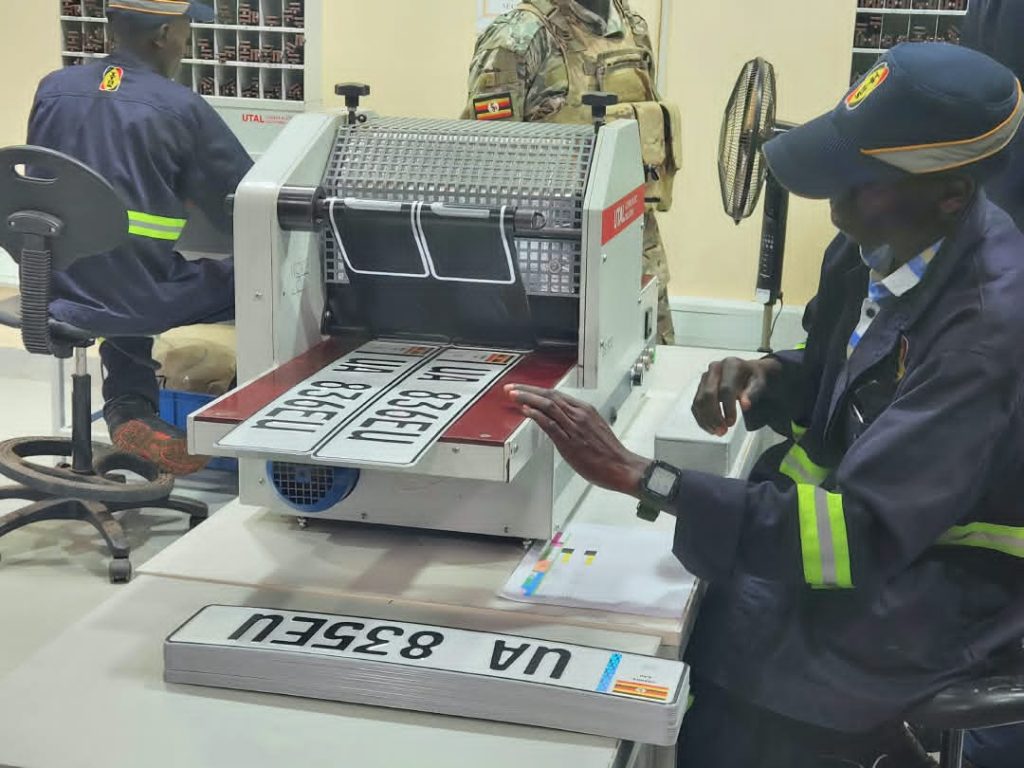
The Ministry of Works and Transport says measures introduced to address the backlog have improved service delivery and restored the supply of plate components.
According to the Ministry’s report, tax collections increased by 17 per cent during the first financial year of implementing digital registration plates, while overall government revenue increased by 16.4 per cent.
The Ministry attributed the increase to improved enforcement of compliance following the introduction of digital plates for motor vehicle declarations made by clearing agents.
Police also presented the committee with cases in which digital tracing had supported investigations involving stolen vehicles and motorcycles, providing evidence of the system’s use beyond registration and identification.
The committee is expected to continue examining the policy, contractual and operational framework of the Digital Number Plate Project as part of Parliament’s oversight of the programme.
