
By Robert Segawa
The Government has stepped up efforts to improve school transport safety following growing concerns over road crashes involving learners, with authorities calling for stricter enforcement, improved vehicle inspections and greater accountability among transport operators.

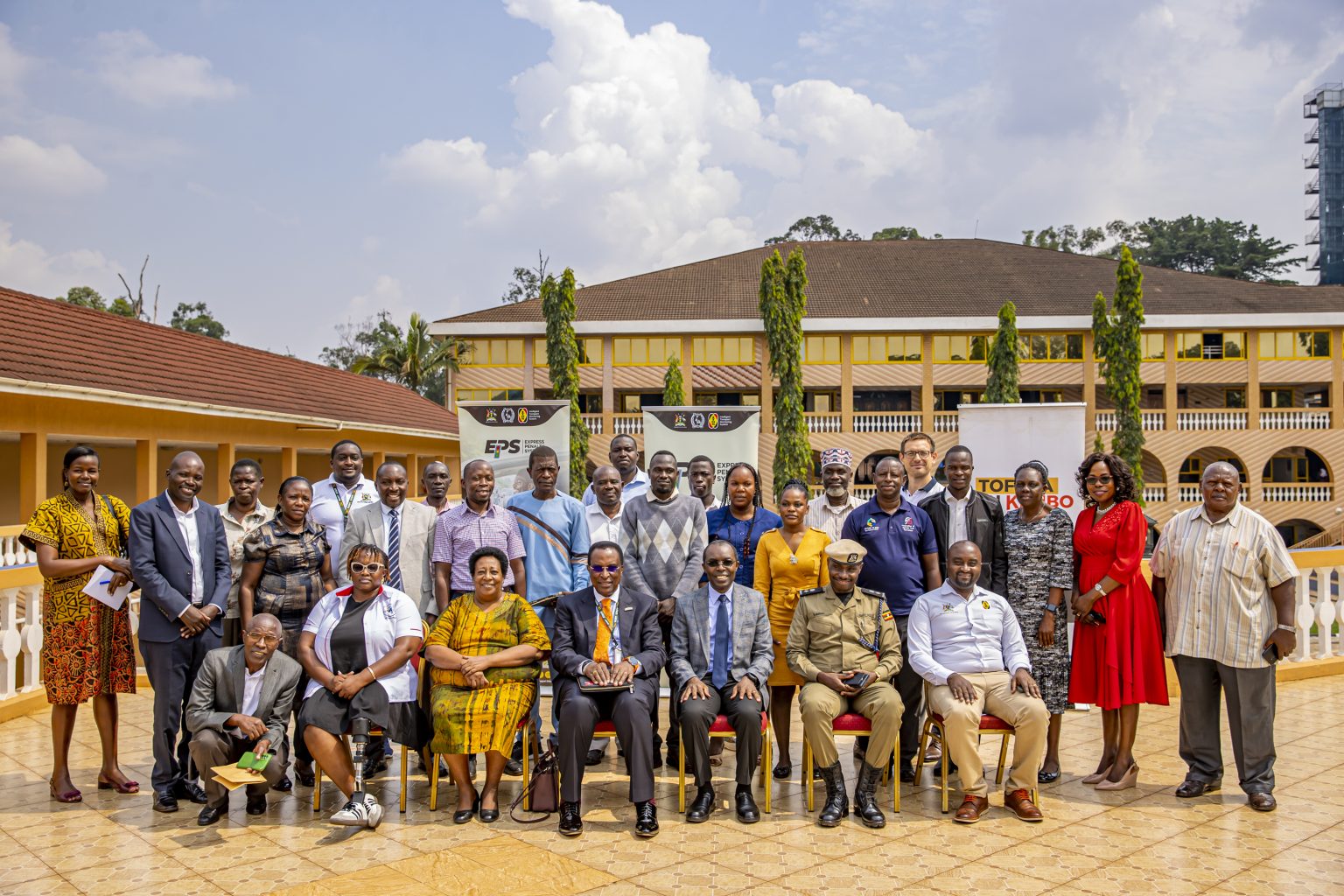
The Ministry of Works and Transport, Uganda Police Force, Ministry of Education and Sports, and Intelligent Transport Monitoring System (ITMS) brought together stakeholders for a high-level conference on school transport safety in Kampala.
The meeting followed the recent school bus crash in Kapchorwa that claimed the lives of 20 learners, renewing calls for urgent measures to prevent avoidable road deaths and strengthen the protection of children travelling to and from school.
Opening the conference, Winston Katushabe, Commissioner for Transport, Regulation and Safety at the Ministry of Works and Transport, said the Government was committed to strengthening safety measures for school transport.
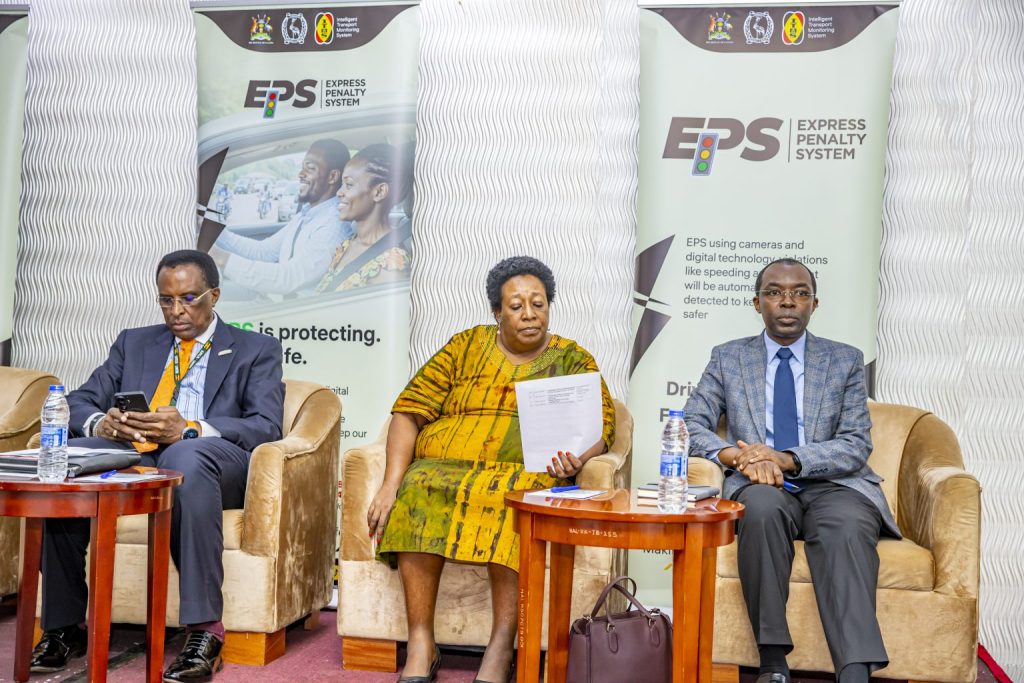
“Recent road tragedies involving children highlight the need for stronger safety measures. The Ministry is committed to strengthening inspections of transport, including school buses, while embracing smart enforcement solutions to improve discipline and protect young lives,” Katushabe said.
He added that drivers transporting learners will be required to undergo vetting, possess valid driving licences and obtain an official Ministry-issued badge before operating school transport vehicles.
The Ministry of Education and Sports also outlined immediate measures aimed at improving learner safety.
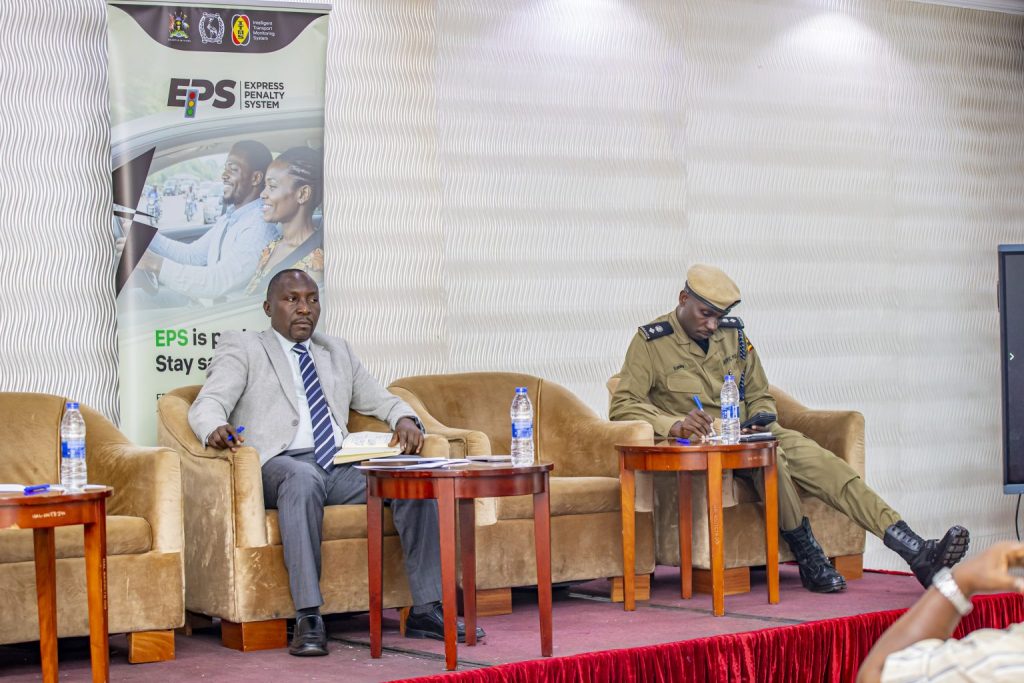
Denis Mugimba, spokesperson for the Ministry, said the Government had issued Basic Requirements and Minimum Standards for Schools to school administrators. Under the measures, vehicles transporting learners to and from school must have a valid Private Motor Omnibus (PMO) licence with IOV certification.
School vehicles must also be roadworthy, while drivers are required to hold valid driving permits appropriate for the vehicles they operate.
Mugimba said the Government had also suspended school study trips and tours until further notice as broader consultations are undertaken and long-term measures developed to prevent similar incidents involving learners.
“Among the immediate measures announced is the suspension of school study trips and tours until further notice, while the Government undertakes broader consultations and develops long-term interventions to prevent the recurrence of incidents involving learners,” he said.
The scale of Uganda’s road safety challenge was underscored by figures contained in the Traffic Annual Crime Report 2025. The report indicates that an average of 14 people die on Uganda’s roads every day, including about two school-going children.
Speeding and reckless driving are identified among the leading causes of road traffic crashes.
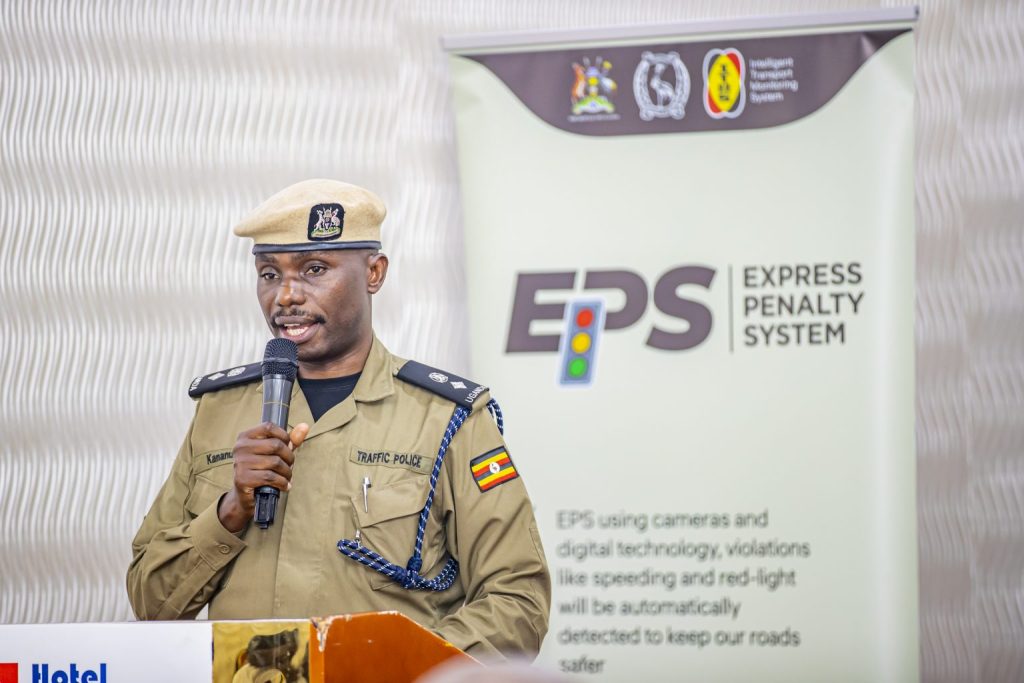
Michael Kananura, spokesperson for the Traffic Police Directorate, called for intensified enforcement operations, particularly along routes used by school transport vehicles.
He also highlighted the need to strengthen the use of smart transport solutions, including the Express Penalty System (EPS), to address traffic indiscipline and improve compliance with road safety regulations.
Stakeholders, however, acknowledged that technology alone cannot guarantee safer roads. They stressed that sustainable improvement will require coordinated action by government agencies, schools, transport operators, drivers, parents and road users.
The ITMS said technology can complement enforcement by giving authorities better tools to identify vehicles, monitor road use and promote accountability.
Steven Turyarugayo, Public Relations Consultant for the ITMS project, said the system’s AI-powered technology could support improved vehicle identification, monitoring and enforcement.
“Through our AI-powered technology, EPS can support improved vehicle identification, monitoring and enforcement while providing relevant authorities with better tools to promote compliance and accountability. We therefore believe that the Express Penalty System is what will bring a social behaviour change on the roads for the safety of our school-going children,” Turyarugayo said.
The conference emphasised that protecting children on Uganda’s roads will require more than enforcement alone. Stronger inspections, responsible driving, compliance with licensing requirements and the effective use of technology were identified as key components of a safer school transport system.
Stakeholders said every child lost in a road crash represents a tragedy for families, communities and the country, underscoring the urgency of ensuring that learners can travel to and from school safely.
About ITMS
The Intelligent Transport Monitoring System (ITMS) is Uganda’s flagship smart transport initiative aimed at enhancing road safety, improving vehicle traceability, strengthening national security and modernising vehicle registration through digital registration plates and intelligent transport technologies.
