

By Yiga Eric
Agroecological farmers and other food system actors have convened in Mukono at Colline Hotel for the fifth edition of the Slow Food Uganda Annual Agroecology Learning Exchange.
Organized by Slow Food Uganda, the event serves as a vital platform for collaboration, knowledge sharing, and inspiration among key stakeholders in Uganda’s food systems.

Held under the theme “Amplifying Agroecology through Cross Learning,” the two-day exchange has attracted a diverse group of participants committed to advancing sustainable agriculture and building resilient food systems. The gathering reflects a growing recognition of agroecology as a powerful approach to addressing challenges such as climate change, biodiversity loss, and food insecurity, while promoting culturally appropriate and locally driven solutions.
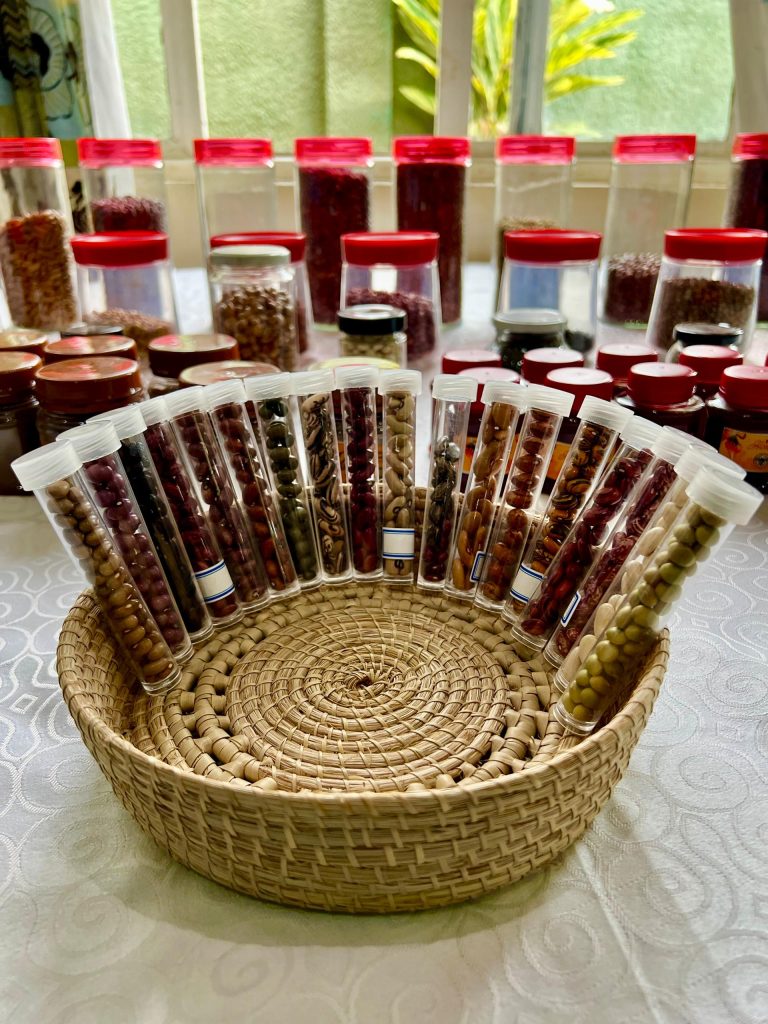
Throughout the event, participants are engaging in a variety of activities designed to foster practical learning and meaningful dialogue. Field visits to farms around Mukono are providing hands-on exposure to innovative agroecological practices. These visits allow participants to witness firsthand how farmers are integrating indigenous knowledge with sustainable techniques to improve productivity and environmental health. They also create opportunities for peer-to-peer learning, as farmers share experiences, challenges, and successes in implementing agroecological approaches.

In addition to field engagements, the Learning Exchange features interactive knowledge-sharing sessions and discussions. These bring together farmers, researchers, and youth to explore topics such as soil health management, seed sovereignty, biodiversity conservation, and climate resilience. By creating a space for open dialogue, the event enables participants to learn from one another and co-create practical, scalable solutions.
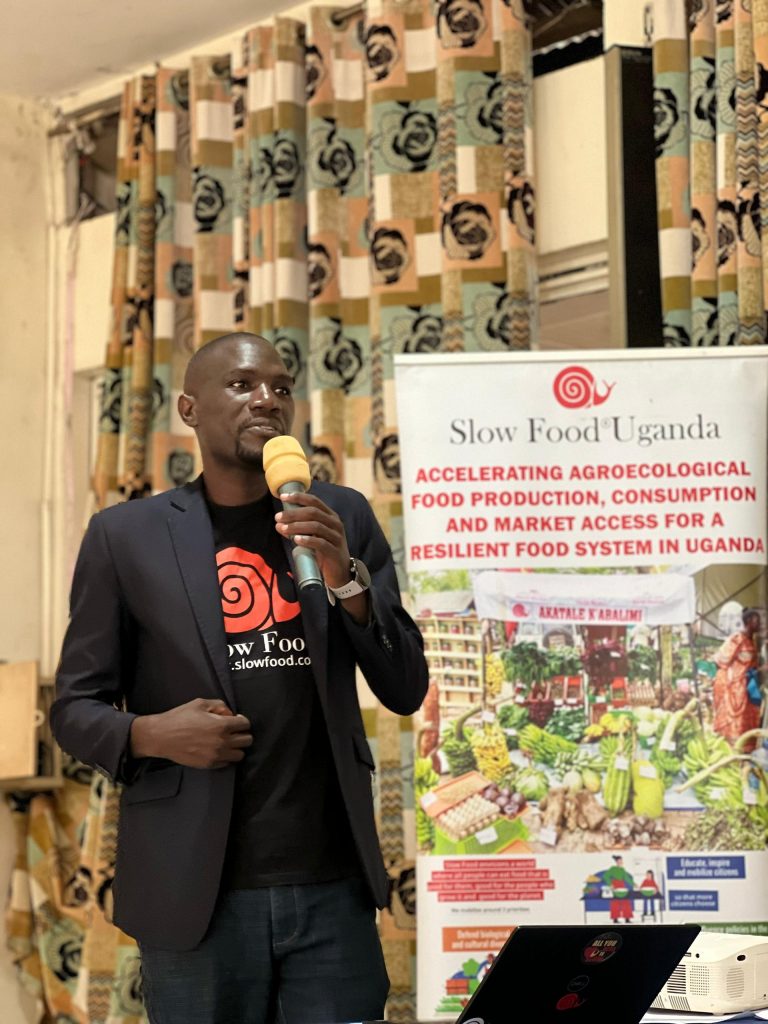
A key highlight of the exchange is its emphasis on community-driven approaches. Participants are not only learning new techniques but also reflecting on how to strengthen local food systems through networking, collaboration, and support for grassroots innovations. The inclusion of youth and researchers alongside farmers helps bridge generational and knowledge gaps, fostering a more holistic approach to agroecology.

The Learning Exchange also underscores the importance of preserving indigenous seeds and promoting biodiversity as central pillars of resilient food systems. By sharing experiences from different regions, participants gain valuable insights into how local varieties and traditional practices can be protected and enhanced to ensure food security for future generations.

As the event unfolds, it is clear that the Slow Food Uganda Annual Agroecology Learning Exchange is more than just a gathering—it is a movement-building platform for learning, collaboration, and sustainable transformation.
