
By Emmanuel Kirunda
In Uganda, it’s common practice for households to employ women as domestic workers popularly known as housemaids to assist with daily chores like cleaning, cooking, and caring for children. However, a growing number of these women report being coerced into undergoing mandatory HIV/AIDS screenings as a condition for employment.
Labor and human rights advocates argue that these screenings are not just a health concern but often serve as a gateway to discrimination, stigma, and even potential sexual exploitation.

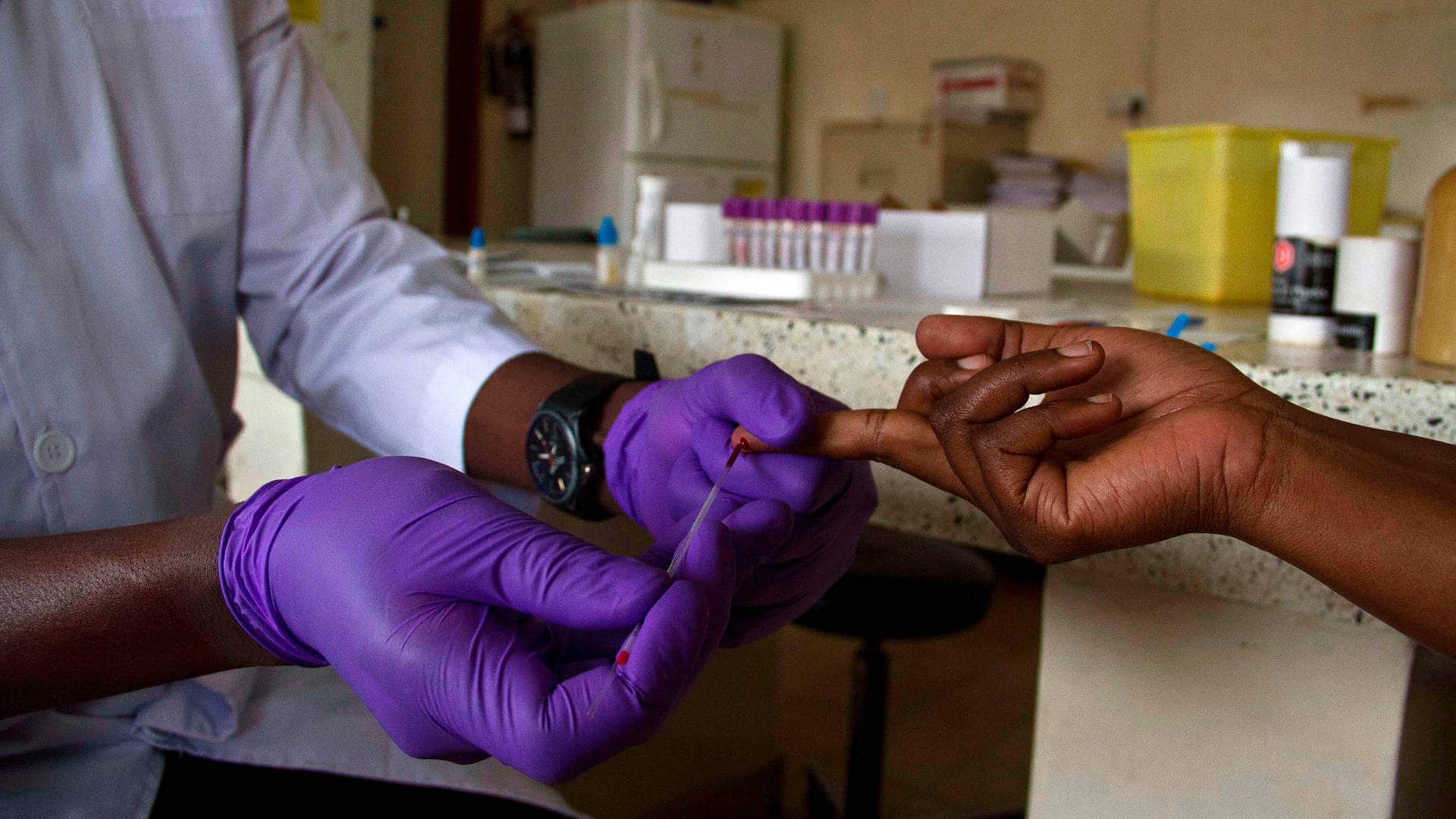
According to domestic workers and labor activists, it has become routine for women in this sector to be tested for sexually transmitted infections (STIs), including HIV, before being hired. Many say this practice lacks informed consent and violates their rights.
Lydia Bwiite, Director of Programs at the Platform for Labor Action in Uganda, which investigates labor rights abuses, highlighted the coercive nature of the practice.
“Even those who say ‘yes, I consented it’s a forced choice. We have always encouraged domestic workers to test voluntarily for their own benefit, with the understanding that their results remain confidential. But when an employer forcibly takes you to a clinic, has you tested without your knowledge of the results, and then makes employment decisions based on that there is no consent involved,” Bwiite emphasized.
Staff at clinics that administer these tests confirmed the practice but declined to speak on record, citing lack of authorization.
Several employers who agreed to be interviewed openly admitted to testing domestic workers for HIV. Shamim, one such employer, explained, “For me, it’s a must. I can’t hire a maid without screening her for HIV. If she’s positive, there’s only a 20% chance I’ll still consider her. It’s about protecting my family, especially the children, from potential infection through mishandled sharp objects and other risks.”

Another employer, Alex, took a more extreme view: “I can’t hire someone who is HIV positive. Some people with HIV purposely try to infect others, and I won’t risk my family’s safety.”
Others like Jael held a more nuanced position, supporting screening for health reasons but acknowledging that it should be done with transparency and prior notice. “Nobody should be subjected to HIV testing without prior agreement. The person should be informed before they even arrive at the household. It’s about knowing the health status of someone who’ll be caring for my family, not about discrimination.”
Conversely, one employer said he doesn’t conduct such screenings, opting instead for thorough background checks. However, when asked if he would keep a maid after learning she was HIV positive, he admitted he would not.
Alarmingly, many of those interviewed were unaware that Ugandan law explicitly prohibits the disclosure of an individual’s HIV status without their consent. The 2014 HIV and AIDS Prevention and Control Act makes it illegal to share someone’s status with third parties and forbids any form of workplace discrimination based on HIV status.
Medical professionals, while off the record, acknowledged that patient consent is mandatory for both testing and disclosing results. They also noted that in some cases, domestic workers are below the legal age of consent, raising further ethical concerns about testing practices.
HIV, a virus transmitted through direct contact with infected bodily fluids, cannot be spread through casual contact. Yet, ignorance and stigma persist, fueling fear-based employment decisions.
Joshua Kyalimpa, spokesperson for Uganda’s Ministry of Gender, Labor and Social Development, voiced concerns over the underlying motives behind such screenings. “Often, these domestic workers are accused of being available to the men in the house. Some employers test them not just for health reasons, but out of fear of potential sexual transmission, this, in itself, can be a form of abuse,” he said.
Suzan, a domestic worker who was tested without prior warning upon arriving at her new employer’s home, said she felt deeply unsettled. “I was shocked. My employer, a single man with children, said he wouldn’t hire me if I tested positive. At first, I worried he might have ulterior motives, but thankfully, he hasn’t made any sexual advances in the three years I’ve worked for him.”
Annet, another domestic worker, said she agreed to be tested only because she already knew her status was negative. But she acknowledged the shame and trauma for those who test positive. “One of our friends was fired after testing positive. Her employer told others about it, and now she can’t find work. Even though she’s on treatment and doing well, the stigma has ruined her chances.”
Bwiite emphasized that stronger legal protections are needed for domestic workers. Those who believe their rights have been violated are encouraged to report to their district labor office.
As of 2018, Uganda had an estimated 1.4 million people living with HIV. Among adults aged 15 to 49, the prevalence rate stands at 5.7%. Women, particularly those in vulnerable roles like domestic work, are disproportionately affected 8.8% compared to 4.3% for men.
In a society still grappling with HIV-related stigma and misinformation, the treatment of domestic workers underscores a deeper crisis: one where employment, dignity, and health rights collide in silence.
